

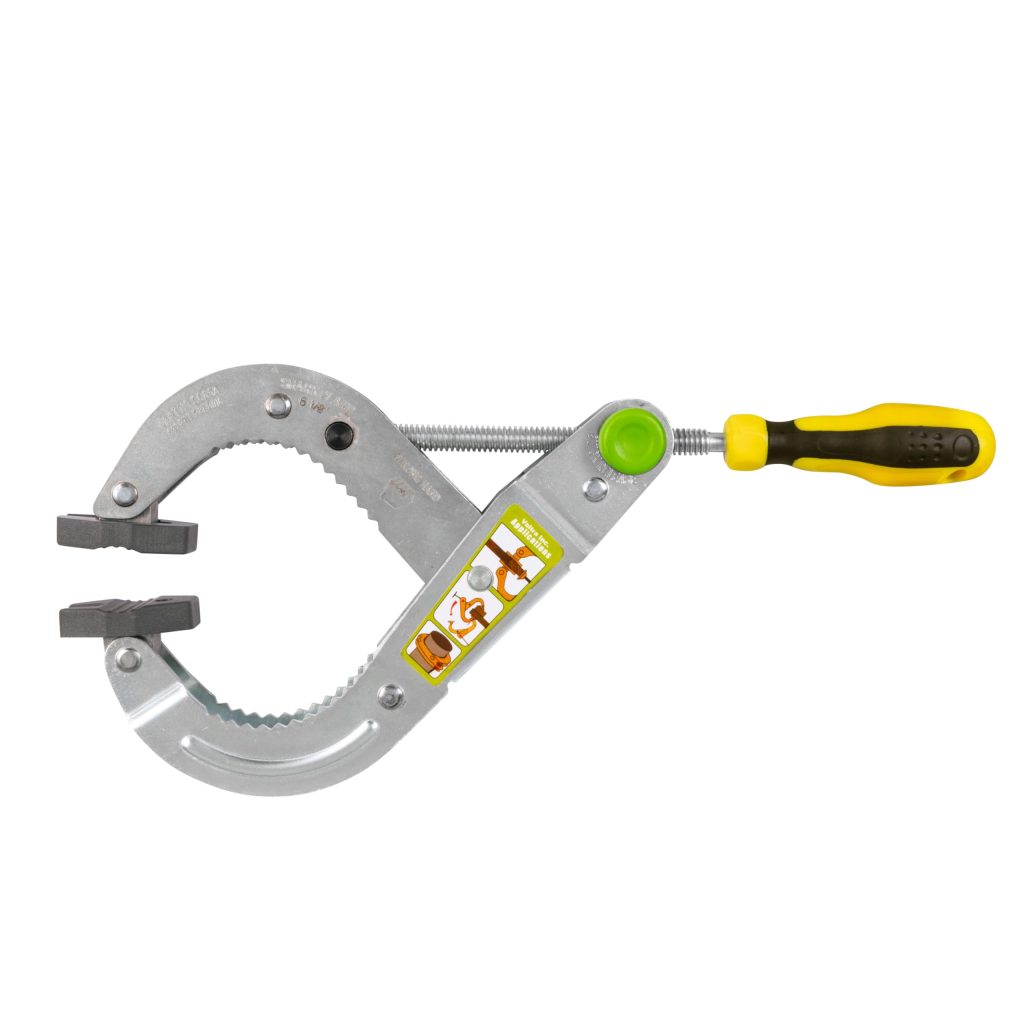
Have you ever struggled to keep things steady while working on a project? Whether you’re fixing furniture, crafting, or doing repairs, a clamp tool can be your best friend.
It holds pieces tightly together, so your hands stay free and your work stays perfect. You’ll discover how a clamp tool can make your tasks easier, save you time, and improve your results. Keep reading, and you’ll learn why this simple tool might just become your new favorite in your toolbox.
Types Of Clamp Tools
Clamp tools hold materials firmly in place. They help keep workpieces steady during tasks.
Many types of clamps exist. Each type works best for certain jobs and materials.
C-clamps
C-Clamps have a C-shaped frame. They use a screw to tighten and hold objects together.
These clamps are good for woodworking and metalworking. They come in different sizes for small or large projects.
Bar Clamps
Bar clamps have a long metal bar and adjustable jaws. They can hold wide or large pieces firmly.
- Used for gluing wood panels
- Hold frames during assembly
- Provide strong, even pressure
Spring Clamps
Spring clamps use a spring to hold objects quickly. They open when you squeeze the handles.
These clamps are handy for light tasks and quick holds. They are easy to use with one hand.
Pipe Clamps
Pipe clamps use a pipe as the frame. You can adjust the length by changing the pipe size.
| Feature | Description |
| Adjustable Length | Yes, by using different pipe sizes |
| Use | Holding large panels or frames |
| Pressure Type | Screw mechanism for strong hold |
| Common Material | Metal pipe and jaws |
Credit: www.homehardware.ca
Choosing The Right Clamp
Choosing the right clamp tool is important for your project. The right clamp holds materials securely and makes your work easier.
Different clamps serve different purposes. Knowing what to look for helps you pick the best one for your needs.
Material Considerations
Clamps come in many materials like steel, plastic, and wood. Steel clamps are strong and last long. Plastic clamps are light and good for delicate jobs. Wood clamps avoid marking soft materials.
- Steel clamps offer durability and strength.
- Plastic clamps are lightweight and gentle on surfaces.
- Wood clamps prevent damage to soft materials.
- Choose the material based on your project needs.
Size And Capacity
Size matters when selecting a clamp. The clamp must open wide enough for your materials. It also needs to hold the parts firmly without slipping.
| Clamp Type | Max Opening | Typical Use |
| C-Clamp | 6 inches | Woodworking and metalwork |
| Spring Clamp | 2 inches | Light holding tasks |
| Bar Clamp | 12 inches | Large frames and furniture |
Application Specifics
Each project needs a clamp that fits its purpose. Some clamps work better for woodworking. Others are made for metal or crafts. Knowing your application helps you pick right.
- Wood clamps for gluing and assembly
- Metal clamps for welding and holding parts
- Plastic clamps for delicate crafts
- Quick-release clamps for fast work
Techniques For Precise Clamping
Using a clamp tool correctly helps hold objects tightly. Precise clamping keeps materials steady during work.
Good clamping techniques prevent damage and improve your project results. Focus on placement, pressure, and surface care.
Proper Placement
Place the clamp close to the joint or area needing pressure. This keeps parts aligned and secure.
Avoid placing clamps too far from the work area. This can cause slipping or weak hold.
- Position clamps near the connection point
- Check that the clamp grips both pieces evenly
- Use multiple clamps if the area is large
Even Pressure Distribution
Apply pressure slowly and evenly to avoid shifting parts. Tighten clamps little by little on each side.
Uneven pressure can bend or misalign materials. Balanced force keeps everything straight and secure.
- Tighten clamps gradually and alternate sides
- Use clamps with wide jaws to spread pressure
- Check alignment while tightening
Avoiding Surface Damage
Protect surfaces by placing pads or soft material between clamp jaws and the workpiece.
Clamps can leave marks or dents if used carelessly. Soft covers help keep finishes safe.
- Use wood blocks or rubber pads under clamp jaws
- Do not overtighten clamps beyond needed pressure
- Inspect surfaces before and after clamping

Credit: www.ebay.ca
Maintaining Clamp Durability
Clamp tools are strong helpers for many tasks. Keeping them in good shape helps them last longer. Simple care can save you money and effort.
Here are three ways to keep your clamp tool working well. Follow these tips to avoid damage and wear.
Regular Cleaning
Clean your clamp tool after every use. Dirt and dust can cause parts to stick or rust. Use a dry cloth to wipe off debris. For stubborn dirt, use mild soap and water. Dry it well before storing.
- Remove sawdust and wood chips
- Wipe metal surfaces clean
- Use a brush for hard-to-reach areas
- Dry clamp completely to prevent rust
Lubrication Tips
Lubricate moving parts to keep the clamp working smoothly. Use light machine oil or silicone spray. Avoid heavy grease because it can attract dirt. Apply a small amount on the screw and hinge areas. Wipe off extra oil to prevent mess.
| Part | Lubricant Type | Frequency |
| Screw | Light machine oil | Every month |
| Hinges | Silicone spray | Every 2 months |
| Sliding bars | Light machine oil | Every month |
Storage Practices
Store clamps in a dry place to avoid rust. Hang them on hooks or place in a toolbox. Keep clamps away from moisture and direct sunlight. Proper storage keeps the tool safe and ready to use.
- Hang clamps on a wall rack
- Use a toolbox with compartments
- Keep away from damp areas
- Cover clamps if stored for a long time
Common Mistakes To Avoid
Using a clamp tool correctly is key for safe and strong holds. Many users make errors that can damage workpieces or tools.
Learn common mistakes to avoid for better results and longer tool life.
Over-tightening
Applying too much force when tightening a clamp can damage your materials and the clamp itself. Over-tightening may cause dents or cracks on soft wood or thin metal.
- Turn the handle until the clamp feels snug, not forced.
- Check the pressure on fragile items carefully.
- Use a torque-limiting clamp if possible.
Using The Wrong Clamp
Choosing the wrong type or size of clamp leads to poor grip and possible damage. Each clamp design serves specific tasks and materials.
| Clamp Type | Best Use | Not Recommended For |
| C-Clamp | Metalwork and heavy holding | Delicate materials |
| Spring Clamp | Light, quick holds | Heavy-duty or thick pieces |
| Bar Clamp | Woodworking and wide objects | Small or irregular shapes |
Ignoring Wear And Tear
Clamps wear out over time. Ignoring signs of damage can cause failure and unsafe conditions.
Look for these warning signs:
- Rust on metal parts
- Cracks or bends in the frame
- Worn or stripped threads
- Loose or broken handles
Regular cleaning and maintenance extend clamp life.

Credit: www.amazon.ca
Frequently Asked Questions
What Is A Clamp Tool Used For?
A clamp tool holds objects firmly in place during work. It ensures stability and precision for tasks like gluing or cutting.
How Do Different Clamp Tools Vary?
Clamp tools differ in size, shape, and mechanism. Each type suits specific tasks, such as woodworking, welding, or metalworking.
Can Clamp Tools Damage Materials?
Proper use of clamp tools prevents damage. Using protective pads and avoiding over-tightening protects delicate materials from marks or dents.
Which Materials Are Clamp Tools Made From?
Clamp tools are commonly made from steel, aluminum, or plastic. Material choice affects durability, weight, and suitability for various jobs.
Conclusion
A clamp tool holds objects tightly and keeps them steady. It helps in many tasks, from woodworking to repairs. Choosing the right clamp makes work easier and safer. Small or large projects benefit from its strong grip. This simple tool saves time and effort every day.
A clamp is a useful addition to any toolbox. Try using one to see how it improves your work.