

Have you ever wondered how you can find out exactly how heavy something is? Whether you’re cooking, shipping a package, or working on a science project, knowing the mass of an object is important.
But how do you measure mass accurately and easily? This tool that measures mass could be the simple solution you’ve been looking for. Keep reading to discover how it works, why it matters, and how it can make your daily tasks much easier.
You won’t want to miss this!
Types Of Mass Measuring Tools
Mass measuring tools help us find how heavy an object is. Different tools suit different needs. Some tools show mass quickly. Others are very precise.
We will look at four common types of mass measuring tools. Each type works in a different way. They are useful in homes, schools, and labs.
Mechanical Balances
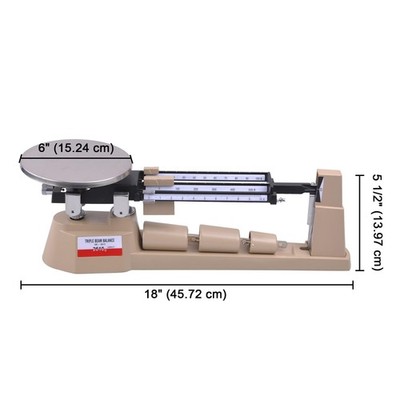
Mechanical balances use a beam that balances two sides. You put the object on one side. Then you add weights on the other side. When the beam is level, the mass is equal.
These balances do not need batteries. They are simple and strong. People use them to teach how mass works.
Digital Scales
Digital scales show mass on a screen. They use sensors to measure weight. These scales are fast and easy to read.
Many digital scales use batteries or power from a plug. They are common in kitchens and stores.
Analytical Balances
Analytical balances measure very small masses. They can show many decimal places. These balances have a glass cover to stop air from moving the object.
Scientists use them in labs to get exact measurements. They are very sensitive and must be handled carefully.
Spring Scales
Spring scales measure mass by the stretch of a spring. The object pulls on the spring. The amount it stretches shows the weight.
These scales are simple and do not need power. People use them to weigh fish or luggage.

Credit: www.amazon.com
How Mass Measurement Works
A tool that measures mass tells us how heavy something is. It works by comparing the object to a known weight.
Mass measurement is important in science, cooking, and many industries. Different tools measure mass in different ways.
Principles Of Mass
Mass is the amount of matter in an object. It does not change with location or gravity.
A mass measuring tool compares the object to a standard mass. This is often done using a balance or electronic sensor.
Calibration Methods
Calibration adjusts the tool to give correct measurements. It uses known weights as references.
Regular calibration keeps the tool accurate. It involves placing standard weights on the device and adjusting it.
- Use certified standard weights
- Check calibration before use
- Adjust if readings are off
- Repeat calibration regularly
Accuracy Vs. Precision
Accuracy means how close a measurement is to the true mass. Precision means how consistent repeated measurements are.
A tool can be precise but not accurate if it shows the same wrong result. Good tools are both accurate and precise.
- Accuracy: closeness to true value
- Precision: consistency of results
- Both are needed for good measurement
Choosing The Right Instrument
Measuring mass is important in many fields like science, industry, and cooking. Picking the right tool makes the work easier and more accurate.
Different tools work best for different tasks. This guide helps you find the best instrument for your needs.
Application Needs
Think about what you will measure and why. Some tools are better for small lab samples, while others suit large objects.
Choose a tool that fits your daily tasks. Accuracy and speed might be important for your work.
- Small, precise measurements need a digital scale.
- Heavy items require a platform or hanging scale.
- Quick checks can use a spring scale.
Weighing Capacity
Check the maximum weight the tool can measure. Using a scale beyond its limit can damage it.
Choose a scale with a capacity higher than the heaviest item you plan to weigh.
- Small scales: up to 500 grams
- Medium scales: up to 50 kilograms
- Large scales: over 50 kilograms
Environmental Considerations
Think about where you will use the instrument. Some tools work well indoors but not outside.
Factors like temperature, humidity, and dust can affect the tool’s accuracy and life.
- Use sealed scales in dusty or wet places
- Choose tools that handle temperature changes well
- Keep sensitive scales away from strong vibrations

Credit: www.youtube.com
Maintaining Precision Instruments
Precision instruments that measure mass need careful maintenance. Proper care keeps them accurate and reliable.
Regular upkeep helps prevent errors and extends the tool’s life. This guide covers key maintenance steps.
Regular Calibration
Calibration adjusts the instrument to measure correctly. It matches the readings with a known standard.
Check calibration often to avoid wrong measurements. Frequency depends on usage and environment.
- Use certified weights for calibration
- Calibrate before important measurements
- Record calibration dates and results
- Seek professional calibration if unsure
Cleaning And Care
Keep the instrument clean to prevent dust and dirt buildup. Dirt can affect accuracy and damage parts.
Handle the tool gently and store it safely. Use soft cloths and mild cleaners for cleaning.
- Turn off the instrument before cleaning
- Use a soft, lint-free cloth
- Avoid harsh chemicals and water
- Store in a dry, stable place
Troubleshooting Common Issues
Sometimes the instrument shows errors or strange readings. Identifying problems early helps fix them fast.
Check power sources, connections, and cleanliness first. Follow simple steps to solve common problems.
- Ensure batteries or power are working
- Check for loose or damaged parts
- Clean the weighing surface regularly
- Reset or recalibrate if readings are off
- Contact experts for complex issues
Advancements In Mass Measurement
Measuring mass is a key task in many fields. New technology makes scales smarter and more accurate.
These advances help industries, science, and daily life by giving better weight data quickly.
Smart Scales
Smart scales can connect to apps and track weight changes over time. They use sensors to detect small differences.
- They provide instant results on screens.
- Some models measure body fat and water levels.
- Smart scales can store data for multiple users.
- They improve accuracy with automatic calibration.
Integration With Digital Systems
Modern mass measurement tools link with computers and smartphones. This helps in data analysis and sharing.
| Feature | Benefit |
| Bluetooth Connectivity | Wireless data transfer |
| Cloud Storage | Access measurements anywhere |
| App Compatibility | Track and compare results easily |
| Real-time Monitoring | Instant alerts for weight changes |
Future Trends
Mass measurement will become more precise and user-friendly. New materials and AI will improve devices.
- Use of nanotechnology for ultra-sensitive scales
- Integration with health and fitness systems
- Voice control and smart home compatibility
- Automated calibration and error correction

Credit: www.ebay.com
Frequently Asked Questions
What Is The Name Of The Tool That Measures Mass?
The tool that measures mass is called a balance or scale. It compares an object’s mass to a known standard. Common types include digital, spring, and beam balances. Balances provide precise mass measurements for scientific and everyday use.
How Does A Mass Measuring Tool Work?
Mass measuring tools work by comparing an object’s weight against a counterweight or sensor. Mechanical balances use beams and weights. Digital scales use sensors to convert mass into electrical signals. The tool then displays the object’s mass in units like grams or kilograms.
What Units Do Mass Measuring Tools Use?
Mass measuring tools commonly use grams (g), kilograms (kg), and milligrams (mg). Some scales also display pounds (lbs) for convenience. Units depend on the tool’s design and the measurement’s context. Metric units are standard in science and most countries.
Why Is Measuring Mass Important?
Measuring mass is essential for accuracy in science, cooking, and commerce. It ensures correct ingredient amounts, product quality, and fair trade. Mass measurement helps in experiments, manufacturing, and daily life tasks requiring precision.
Conclusion
A tool that measures mass helps us understand objects better. It shows how heavy things are. This is useful in science, cooking, and daily life. Choosing the right tool makes measuring simple and accurate. Small or large, every object has mass to measure.
Using these tools saves time and avoids mistakes. Always handle the tool carefully for best results. Measuring mass is a basic skill everyone can learn. It helps us in many ways every day.