

Have you ever struggled to draw a perfect straight line? Whether you’re sketching, designing, or just jotting down notes, a crooked line can be frustrating.
But what if you had a simple tool that makes drawing straight lines easy and precise every time? You’ll discover exactly what that tool is and how it can transform the way you create. Keep reading to learn how to bring accuracy and confidence to your work with just one essential item.

Credit: www.draftingsuppliesdew.com
Types Of Straight Line Tools
Drawing straight lines accurately is important in many tasks. Different tools help make these lines quickly and clearly.
This guide explains common tools used to draw straight lines. Each tool fits different needs and situations.
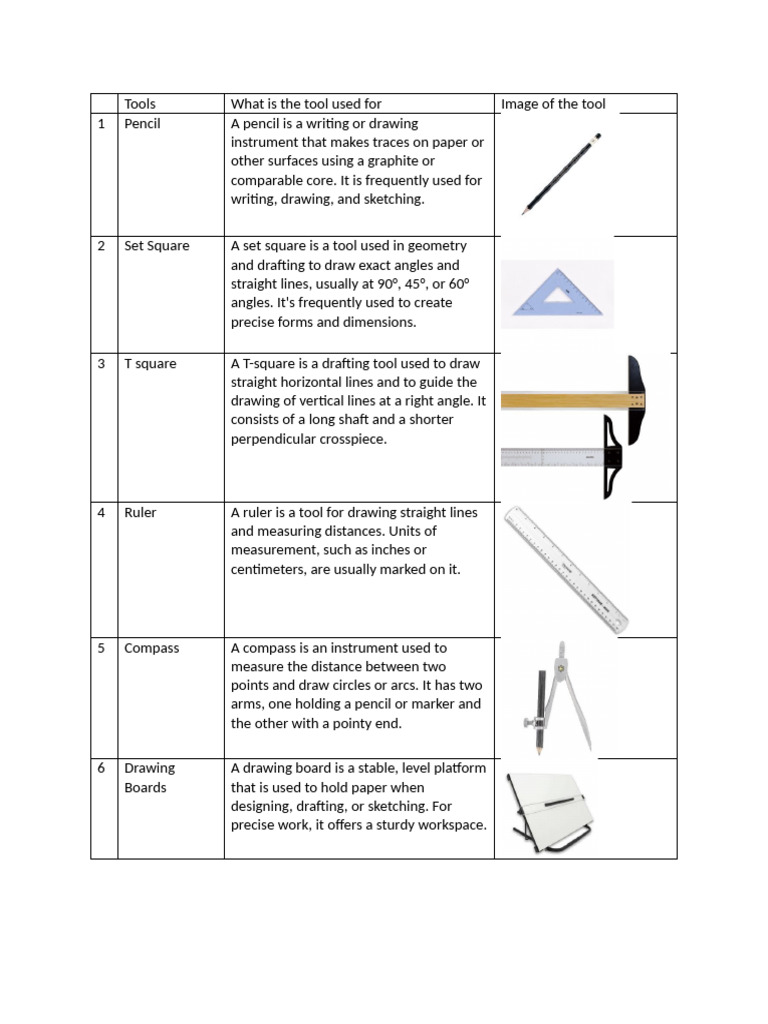
Rulers And Yardsticks
Rulers and yardsticks are simple tools to draw straight lines. They come in many lengths, usually made of wood, plastic, or metal.
- Rulers are short, often 12 inches or 30 centimeters long.
- Yardsticks are longer, usually 36 inches or 1 yard.
- Both have measurement marks for accuracy.
- They are easy to carry and use for quick lines.
T-squares And Set Squares
T-squares help draw horizontal lines and guide other tools. Set squares are triangular tools to draw angles and straight lines.
| Tool | Shape | Use |
| T-Square | Long straight edge with crosspiece | Draw horizontal lines on drafting tables |
| Set Square | Triangle with fixed angles (30°, 45°, 60°) | Draw straight lines at specific angles |
Laser Levels
Laser levels project a straight laser line on surfaces. They help draw very long straight lines without physical guides.
- Use batteries or electricity to work.
- Useful in construction and large drawings.
- Can project horizontal, vertical, or angled lines.
- Provide high accuracy over long distances.
Drawing Boards And Parallel Bars
Drawing boards provide a flat surface to work on. Parallel bars move up and down to draw parallel straight lines easily.
- Attached to the drawing board for stability.
- Moves smoothly to keep lines parallel.
- Used in technical drawing and drafting.

Credit: www.shutterstock.com
Materials And Build Quality
Choosing the right tool to draw straight lines depends on the materials used. The build quality affects how well the tool performs. Different materials offer various benefits and drawbacks.
Understanding these materials helps you pick a tool that lasts and works smoothly. This guide covers metal, plastic, and wooden tools and their durability.
Metal Vs Plastic Rulers
Metal rulers are strong and do not bend easily. They provide precise, straight edges for drawing. Plastic rulers are lightweight and less expensive.
Plastic rulers can be flexible, but they may warp over time. Metal rulers resist damage but can be heavier to carry.
- Metal rulers offer long-lasting accuracy
- Plastic rulers are light and affordable
- Plastic may crack or warp with use
- Metal can be heavier but very sturdy
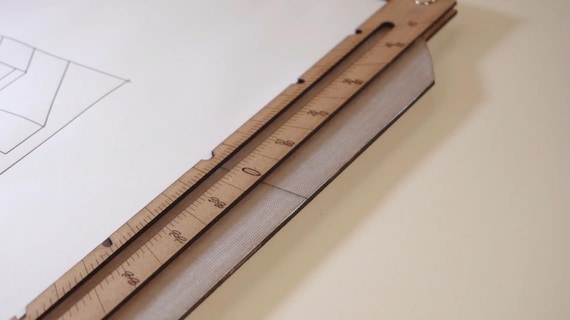
Wooden Tools
Wooden rulers and straight edges have a classic feel. They are firm but can absorb moisture. This may cause swelling or warping.
Wood is gentle on surfaces and offers a natural grip. These tools need care to keep them straight and smooth.
- Wood is firm but can warp with moisture
- Needs careful storage to stay in shape
- Feels natural and comfortable in hand
- Can be sanded smooth if rough
Durability Factors
Durability depends on material strength and how the tool is used. Tools that resist bending and cracking last longer. Proper storage also keeps tools in good shape.
Exposure to heat, moisture, or rough surfaces can damage rulers. Choose materials that suit your work environment. Regular cleaning extends the life of your tool.
- Metal resists bending but may dent
- Plastic can crack under pressure
- Wood can warp or swell if wet
- Avoid dropping or bending rulers
- Store tools flat and dry
Choosing The Right Tool For Your Project
Drawing straight lines is important in many projects. Using the right tool helps you get clear and accurate lines. Different projects need different tools.
Choosing the right tool saves time and improves your results. Think about the purpose and detail level of your work.
Artistic Drawing
Artists often use rulers, straightedges, or T-squares for straight lines. These tools help create clean shapes and borders. Sometimes artists use flexible curves for smooth lines.
For sketching, a simple ruler works well. For detailed work, a drafting machine or parallel ruler may be better.
Technical Drafting
Technical drafting needs very precise lines. Tools like drafting machines, T-squares, and parallel bars are common. These tools keep lines straight and angles exact.
- Drafting machine for accurate angles
- T-square for horizontal lines
- Set squares for vertical and angled lines
Using these tools ensures your drawings meet professional standards. Mechanical pencils often pair well with these tools for clear lines.
Construction And Carpentry
In construction, straight lines help measure and cut materials. Tools like chalk lines, carpenter’s squares, and laser levels are common. They help mark long, straight lines on wood or walls.
- Chalk lines snap straight guide lines over long distances
- Carpenter’s squares check right angles
- Laser levels project straight lines on surfaces
These tools improve accuracy and speed on job sites. Choosing the right tool depends on the material and project size.
Techniques For Accurate Lines
Drawing straight lines needs focus and the right tools. Using a tool helps keep lines neat and precise.
Here are ways to draw straight lines accurately with your tool.
Proper Tool Placement
Place your tool firmly on the surface before drawing. Make sure it stays in place during the line.
Align the tool with your desired line path. Check the angle to avoid slanting lines.
- Keep the tool edge flush with the surface
- Hold the tool steady at both ends
- Start from one clear point
Maintaining Steady Hand
Hold your drawing hand steady to avoid wobbly lines. Use your arm, not just your wrist, for control.
Draw slowly and smoothly. Rushing can cause uneven lines and mistakes.
- Rest your hand lightly on the surface
- Use your whole arm to guide the tool
- Practice slow, steady movements
Using Guides And Markers
Use guides like rulers or straight edges to follow a clear path. Mark your start and end points first.
Markers help keep your line on track. Lightly mark points to connect with your tool.
- Place a ruler along your line path
- Mark start and end points with a pencil
- Connect marks with a steady stroke
Maintenance And Care Tips
A tool used to draw straight lines needs regular care to last long. Proper maintenance helps keep it accurate and easy to use.
Simple cleaning, correct storage, and timely calibration keep the tool in good shape. Follow these tips to protect your tool.
Cleaning Methods
Clean the tool after every use to remove dust and dirt. Use a soft cloth to avoid scratches on the surface.
For stubborn stains, dampen the cloth slightly with water. Avoid harsh chemicals that can damage the material.
- Use a dry or slightly damp soft cloth
- Do not soak the tool in water
- Avoid abrasive cleaners or brushes
- Clean moving parts gently to prevent damage
Storage Solutions
Store the tool in a dry place to prevent rust or warping. Keep it away from direct sunlight and heat sources.
Use a protective case or cover to avoid dust buildup and accidental drops. Keep the tool flat or upright as recommended.
- Store in a cool, dry area
- Use a protective case or sleeve
- Keep away from moisture and sunlight
- Place the tool flat or as instructed by the manufacturer
Calibration And Replacement
Check the tool’s accuracy regularly. If lines are not straight, recalibrate the tool following the instructions.
Replace worn or damaged parts quickly. A damaged tool can cause mistakes and affect your work quality.
- Test the tool’s accuracy before important tasks
- Follow calibration steps as per the manual
- Replace parts like blades or guides when worn
- Do not use the tool if it is damaged
Credit: www.etsy.com
Innovations In Line Drawing Tools
Drawing straight lines has evolved with new tools. These tools make precise lines easier to achieve.
Digital and smart rulers, along with augmented reality, are changing how we draw lines.
Digital And Smart Rulers
Digital rulers use technology to enhance accuracy. They offer many features for various tasks.
- Digital displays show exact measurements.
- Bluetooth connectivity allows data transfer to devices.
- Some models include lasers for alignment.
Augmented Reality Applications
Augmented reality apps help visualize lines in real-world spaces. They offer a unique drawing experience.
AR apps project lines on surfaces using your device’s camera.
| Feature | Benefit |
| Overlay Lines | See lines in real-time |
| Interactive Guides | Follow step-by-step instructions |
| Save Designs | Store creations for future use |
Frequently Asked Questions
What Is The Primary Tool Used To Draw Straight Lines?
A ruler is the primary tool used to draw straight lines. It provides a firm edge to guide the pencil or pen accurately. Rulers come in various materials like plastic, metal, or wood, making them ideal for precise line drawing in art, design, and technical work.
How Does A Ruler Help In Drawing Straight Lines?
A ruler provides a straight edge that guides your pencil or pen. It ensures lines are perfectly straight and consistent in length. Using a ruler reduces errors and improves accuracy in sketches, diagrams, and measurements, making it essential for precise line drawing.
Can Other Tools Draw Straight Lines Besides A Ruler?
Yes, tools like T-squares, set squares, and drafting machines can also draw straight lines. These tools are commonly used in technical drawing and design. Each offers stability and precision, especially for longer or perpendicular lines that require exact measurements.
Why Is A Ruler Important For Technical Drawing?
A ruler is vital for technical drawing as it ensures accuracy and precision. It helps create straight, measured lines essential for blueprints and plans. Without a ruler, drawings may lack clarity and exactness, impacting the quality and professionalism of technical work.
Conclusion
A tool to draw straight lines makes work easier and faster. It helps create neat and clear designs every time. Using the right tool improves accuracy and saves effort. Whether for school, art, or work, it is helpful. Everyone can benefit from a simple, reliable drawing aid.
Straight lines build strong foundations for any project. Keep this tool close to achieve clean, sharp lines with ease.