

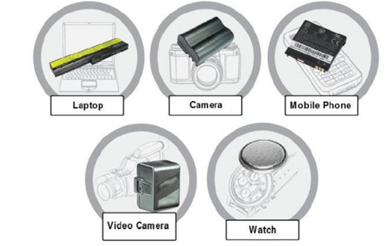
Are you planning to travel with your power tools but wondering if you can take their batteries on a plane? It’s a common question that can cause a lot of confusion and stress before your trip.
You don’t want to risk having your batteries confiscated or delayed at the airport. You’ll discover the clear rules and smart tips you need to safely bring your power tool batteries on board. Keep reading to avoid surprises and make your travel smooth and hassle-free.
Airline Policies On Power Tool Batteries
Many people want to bring power tool batteries on planes. These batteries can be dangerous if not handled well. Airlines have rules to keep everyone safe.
Knowing these rules helps you avoid problems at the airport. Each airline may have different policies for carrying these batteries.
Variations Among Airlines
Some airlines allow power tool batteries in carry-on bags only. Others may let you put them in checked luggage if they follow safety rules. The size and type of battery affect the rules.
- Most airlines limit lithium-ion batteries to 100 watt-hours (Wh) in carry-on bags.
- Batteries between 100 Wh and 160 Wh often need airline approval.
- Batteries over 160 Wh are usually not allowed on passenger planes.
- Some airlines require batteries to be in original packaging or with terminals taped.
Checking Specific Airline Rules
Always check your airline’s website before flying. Rules may change and differ by airline or country. Contact customer service if you are unsure about their policies.
- Look for sections on hazardous materials or batteries.
- Check if you need to declare the battery at check-in.
- Ask about limits on battery size and quantity.
- Learn about packing and labeling requirements.
Credit: www.slashgear.com
Regulations For Battery Types
Many people ask if they can take power tool batteries on a plane. Airlines have rules to keep everyone safe. These rules depend on the battery type.
Knowing the rules for each battery type helps you prepare. It also avoids problems at the airport.
Lithium-ion Batteries
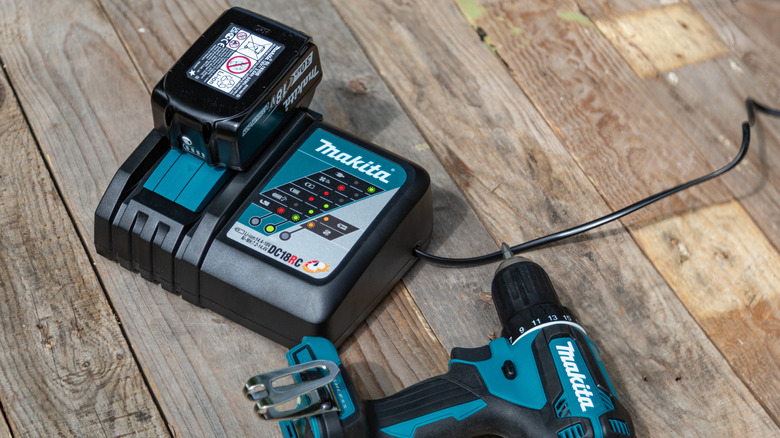
Lithium-ion batteries are common in power tools. They store a lot of energy in a small size. Airlines watch these batteries closely because they can catch fire if damaged.
You can usually bring lithium-ion batteries on planes, but there are limits. The battery must be under a certain watt-hour (Wh) rating. Large batteries may need airline approval.
- Must be carried in carry-on baggage only
- Battery size usually limited to 100 Wh without approval
- Spare batteries must be protected from short circuits
- Some airlines require batteries to be inside the tool
Nickel-cadmium Batteries
Nickel-cadmium (NiCd) batteries are older but still used. These batteries are less risky than lithium-ion. Airlines allow them on planes more easily.
NiCd batteries must also be in carry-on bags. They should be protected to prevent short circuits. There are usually no size limits like lithium-ion batteries.
- Allowed in carry-on and checked baggage
- Protect terminals to avoid short circuits
- No special size restrictions for most flights
Alkaline Batteries
Alkaline batteries power many small tools. They are safe and do not pose fire risks. Airlines accept alkaline batteries with few restrictions.
You can bring alkaline batteries in carry-on or checked bags. No size or quantity limits usually apply. Still, keep them in their original packaging or cover terminals.
- Allowed in carry-on and checked bags
- No size or quantity limits
- Keep batteries in original packaging or cover terminals
Battery Size And Capacity Limits
Taking a power tool battery on a plane needs care. Airlines and authorities set rules for battery size and capacity.
These rules help keep flights safe. Knowing limits helps avoid problems at security checks.
Watt-hour Restrictions
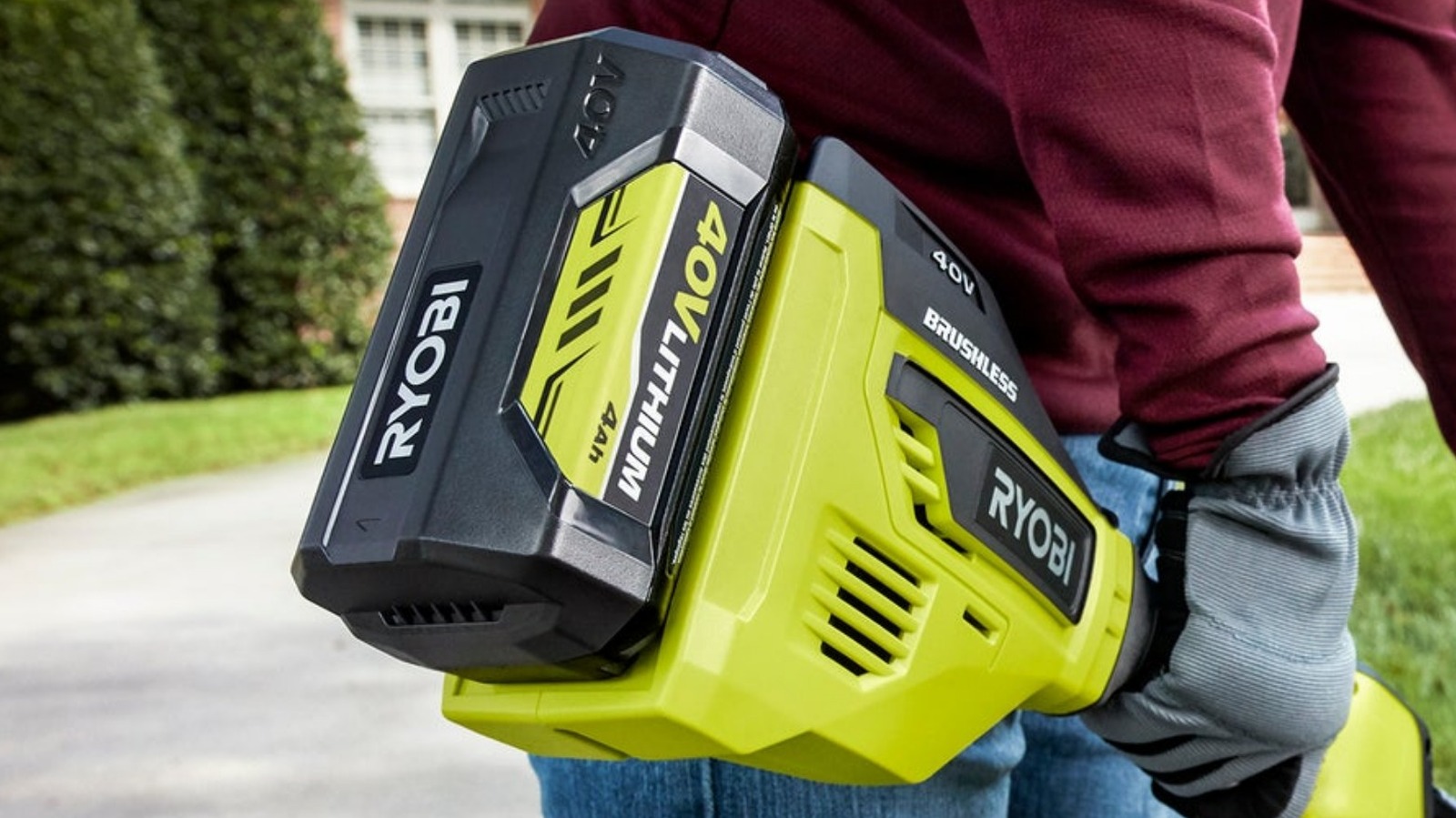
Battery power is measured in watt-hours (Wh). This number tells how much energy a battery holds.
Most airlines limit batteries to 100 Wh for carry-on without special approval. Larger batteries may need approval or are not allowed.
- Batteries under 100 Wh usually allowed in carry-on bags
- Batteries between 100 Wh and 160 Wh need airline approval
- Batteries over 160 Wh are generally forbidden on planes
Cell Count Considerations
Battery packs have many cells inside. Each cell is a small battery unit.
Rules often limit the number of cells or how they are connected. This affects safety and allowed battery types.
- Most lithium-ion batteries have 3.6 to 3.7 volts per cell
- Cells connected in series add voltage, increasing watt-hours
- Higher cell counts may increase risk and require special handling
Credit: www.slashgear.com
Packing Power Tool Batteries Safely
Taking power tool batteries on a plane requires care. Airlines have rules to keep batteries safe during flight.
Packing batteries correctly helps avoid accidents. It also makes your travel smoother and worry-free.
Proper Insulation Techniques
Insulating battery terminals stops short circuits. Cover the metal parts with tape or plastic caps.
Keep batteries apart to avoid touching. Use separate bags or containers for each battery.
- Use electrical tape to cover terminals
- Place batteries in individual plastic bags
- Avoid storing batteries loose in luggage
- Check for damage before packing
Using Original Packaging
Original packaging protects batteries well. It fits batteries tightly and stops movement.
If you still have the box or case, use it. It also shows the battery type clearly to security staff.
- Keep batteries in their original boxes
- Use foam or plastic inserts if available
- Label the package with battery details
- Store packages in carry-on luggage
Carry-on Vs Checked Luggage Rules
Power tool batteries are common items for travelers. Knowing the rules for carrying them on planes is important. Airlines have strict guidelines for batteries in luggage.
There are different rules for carrying batteries in carry-on bags and checked luggage. Understanding these can help you avoid problems at the airport.
Why Carry-on Is Preferred
Carrying power tool batteries in your carry-on bag is safer and more accepted by airlines. You keep control of your items during the flight. This reduces the chance of damage or loss.
Airline staff can quickly spot any problems in the cabin. You can react fast if something goes wrong. This is why many airports ask passengers to keep batteries with them.
- Better monitoring of battery condition
- Less risk of battery damage
- Quicker response to battery issues
- More airline approval for carry-on batteries
Risks Of Checked Luggage
Putting power tool batteries in checked luggage can be risky. Batteries may short circuit or catch fire without anyone noticing. This can cause serious safety problems on the plane.
Checked bags are stored in cargo holds, which have less monitoring. Damage to batteries is harder to detect. Many airlines limit or forbid batteries in checked luggage for safety reasons.
- Higher risk of battery damage
- Less monitoring during flight
- Possible fire hazard in cargo hold
- Some airlines ban batteries in checked bags
Declaring Batteries At Security
Traveling with power tool batteries requires careful preparation. Security checks focus on safety risks.
Knowing when to declare these batteries can save time and trouble at the airport.
When Declaration Is Required
Airline rules for batteries can vary. Always check your airline’s policy before traveling.
- Declare spare batteries at the security checkpoint.
- Inform staff if batteries exceed 100 watt-hours.
- Carry batteries in carry-on, not checked luggage.
How To Communicate With Security Staff
Clear communication ensures a smooth security process. Be polite and concise.
When speaking to security:
- State the number of batteries you have.
- Mention if they are installed or spare.
- Indicate watt-hour ratings if asked.
Alternatives For Traveling With Batteries
Carrying power tool batteries on a plane can be tricky. Airlines and security have strict rules about batteries.
Here are two useful alternatives to help you manage batteries when you travel.
Shipping Batteries Separately
One option is to ship your batteries separately from your tools. This avoids airline restrictions on carrying batteries in luggage.
- Use a reliable courier service that handles batteries safely.
- Package batteries according to shipping rules to prevent damage or short circuits.
- Label the package clearly as containing batteries.
- Check shipping costs and delivery times before sending.
Renting Tools At Destination
Renting power tools at your destination is another smart choice. It means you do not have to carry batteries or tools on the plane.
| Benefit | Details |
| No Battery Restrictions | No need to worry about airline rules for batteries. |
| Save Packing Space | Leave bulky batteries and tools at home. |
| Access to Latest Tools | Rent newer models that you might not own. |
| Cost Consideration | Check rental prices to compare with shipping or carrying batteries. |
Consequences Of Non-compliance
If you fail to comply with airline regulations regarding power tool batteries, you may face serious consequences.
The risks and penalties associated with non-compliance can be severe, making it essential to understand the rules before traveling.
Confiscation Risks
- Power tool batteries may be confiscated by airline staff if they do not meet safety standards.
- Confiscated items may not be returned, and you may be required to purchase a replacement.
- Confiscation can cause significant delays and inconvenience during your travel.
Fines And Penalties
| Fine/ Penalty | Description |
|---|---|
| $100-$500 | Administrative fine for non-compliance |
| Travel ban | Temporary or permanent ban from flying with the airline |
| Prosecution | Legal action for violating airline regulations |
Airlines take non-compliance seriously, and failure to comply can result in significant fines and penalties.
It is essential to check with your airline for specific regulations regarding power tool batteries and to ensure compliance before traveling.

Credit: www.popularmechanics.com
Frequently Asked Questions
Can I Carry Power Tool Batteries In Checked Luggage?
No, most airlines prohibit power tool batteries in checked luggage. They must be carried in carry-on bags for safety reasons.
Are There Size Limits For Power Tool Batteries On Planes?
Yes, airlines typically limit lithium-ion batteries to 100Wh. Batteries between 100Wh and 160Wh need airline approval.
How Should I Pack Power Tool Batteries For Flights?
Power tool batteries should be insulated to prevent short circuits. Keep terminals covered and pack them separately from metal objects.
Can I Bring Spare Power Tool Batteries On A Plane?
Yes, spare batteries are allowed in carry-on bags only. They must be individually protected to avoid damage or short circuit.
Conclusion
Carrying power tool batteries on planes requires careful attention to rules. Airlines and airports have strict limits for battery size and quantity. Always check the battery’s watt-hour rating before packing. Carry batteries in carry-on luggage for safety reasons. Protect battery terminals to prevent short circuits.
Following these steps helps avoid delays or confiscation at security. Stay informed by reviewing airline and TSA guidelines before travel. Safe packing ensures your tools arrive without trouble. Simple preparation makes traveling with power tool batteries easier.