

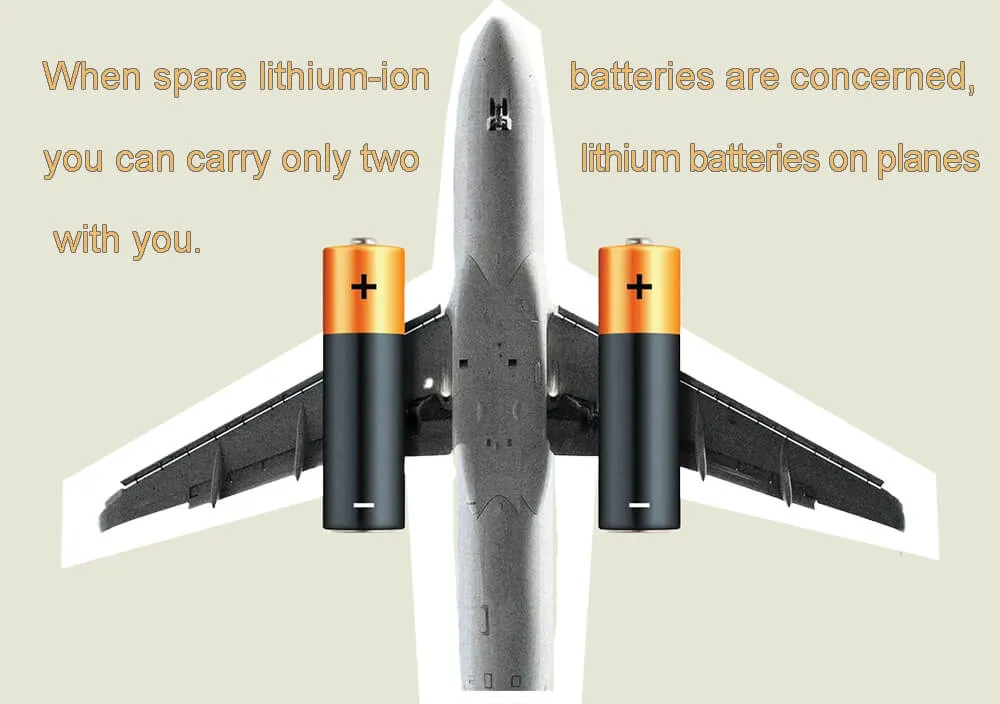
Are you planning to travel with your power tools but unsure about bringing their batteries on a plane? You’re not alone.
Many people worry about the safety rules and restrictions when flying with batteries. What if your trip gets delayed or your tools don’t arrive on time? Knowing exactly what you can and cannot pack can save you from headaches at the airport.
Keep reading to discover the simple rules that let you fly worry-free with your power tool batteries.
Airline Policies On Power Tool Batteries
Carrying power tool batteries on planes can be tricky. Airlines have rules to keep flights safe. These rules vary by airline and battery type.
Knowing these policies helps you avoid problems at the airport. Let’s look at how different airlines handle power tool batteries.
Variations Across Airlines
Each airline sets its own rules for power tool batteries. Some allow batteries in carry-on bags only. Others may ask for special packing or limits on battery size.
- Some airlines ban batteries above a certain watt-hour (Wh) rating.
- Others require batteries to be installed in the tool or carried separately.
- Many airlines ask that terminals be taped or covered.
- Rules may change for international flights compared to domestic ones.
Common Restrictions
Most airlines share some common restrictions on power tool batteries. These rules help prevent fires or accidents during the flight.
| Restriction | Details |
|---|---|
| Battery Type | Only lithium-ion and lithium metal batteries allowed |
| Carry-on Only | Batteries must be in carry-on luggage, not checked bags |
| Size Limit | Usually up to 100 Wh without airline approval |
| Quantity Limit | Often a maximum of two or three spare batteries per passenger |
| Terminal Protection | Terminals must be taped or placed in original packaging |
Types Of Batteries Allowed
When traveling by plane, it’s important to know which power tool batteries you can bring. Different types of batteries have different rules. Understanding these can save you time and trouble at the airport.
The main types of batteries used in power tools are lithium-ion, nickel-cadmium, and other battery types. Each has its own set of guidelines for air travel.
Lithium-ion Batteries
Lithium-ion batteries are common in many devices. Airlines have specific rules for these. You can carry them in your carry-on, but not in checked baggage.
- Must be under 100 watt-hours for unrestricted carry-on
- Between 100-160 watt-hours require airline approval
- Maximum of two spare batteries allowed
Nickel-cadmium Batteries
Nickel-cadmium batteries are less common but still used. They are less restricted than lithium-ion. You can pack them in both carry-on and checked luggage.
Other Battery Types
Other battery types include nickel-metal hydride and alkaline. These are allowed in both carry-on and checked bags. Always check with your airline for specific rules.
| Battery Type | Carry-On | Checked |
| Lithium-Ion | Yes | No |
| Nickel-Cadmium | Yes | Yes |
| Nickel-Metal Hydride | Yes | Yes |
| Alkaline | Yes | Yes |
Packing Power Tool Batteries Safely
Carrying power tool batteries on a plane needs careful packing. Proper packing helps avoid damage or accidents.
Following simple rules keeps batteries safe during your flight. Learn how to pack them right.
Proper Insulation Techniques
Insulating batteries stops short circuits and sparks. Use insulating tape or covers for battery terminals.
- Cover terminals with non-conductive tape
- Wrap batteries in bubble wrap or cloth
- Keep batteries separated from metal objects
- Place batteries in plastic bags for extra protection
Using Original Packaging
Original packaging offers the best protection. It fits the battery shape and holds it firmly.
If original packaging is missing, use sturdy boxes with padding. Avoid loose batteries inside luggage.
Battery Terminals Protection
| Protection Method | Purpose |
|---|---|
| Non-conductive Tape | Prevents electrical contact |
| Plastic Caps | Shields terminals from damage |
| Separate Compartments | Keeps batteries apart to avoid sparks |
Protecting terminals stops sparks and fires. Always check terminals before packing.

Credit: veronicahanson.medium.com
Carry-on Vs Checked Luggage Rules
Traveling with power tool batteries can be tricky. Airlines have specific rules for carrying these batteries on planes.
Knowing the difference between carry-on and checked luggage rules helps you avoid problems at the airport.
Why Carry-on Is Preferred
Most airlines want you to carry power tool batteries in your carry-on bags. This is safer and easier to monitor.
Batteries in carry-on luggage can be quickly checked if there is a problem. This reduces fire risks during the flight.
- Battery fires can be controlled faster in the cabin
- Carry-on bags are under constant supervision
- Damaged batteries are easier to handle
- Airlines often forbid batteries in checked bags
Restrictions For Checked Bags
Many airlines restrict or ban power tool batteries in checked luggage. This is due to fire hazards and safety rules.
Some batteries are allowed only if they meet size and power limits. Others must be removed from the tools before packing.
- Most lithium-ion batteries over 100 watt-hours are not allowed
- Batteries must be protected from short circuits
- Some airlines require terminals to be taped
- Check airline policies before packing batteries
Battery Capacity Limits
Power tool batteries come with rules for air travel. Airlines limit battery sizes for safety. Knowing these limits helps you fly without issues.
This guide explains how battery capacity is measured. It also covers limits for taking batteries on planes.
Watt-hour Rating Explained
The watt-hour (Wh) rating shows a battery’s energy capacity. It is found by multiplying volts (V) by ampere-hours (Ah).
- A higher Wh means more energy stored.
- Most power tool batteries range from 18V to 60V.
- Typical amp hours vary from 1.5Ah to 5Ah or more.
- You can find the Wh rating on the battery label.
Limits For Commercial Flights
Airlines follow rules set by aviation authorities. These rules limit battery size in carry-on and checked bags.
| Battery Watt-Hour (Wh) | Allowed in Carry-on | Allowed in Checked Baggage |
|---|---|---|
| Under 100 Wh | Yes, no airline approval needed | Usually allowed |
| 100 Wh to 160 Wh | Yes, airline approval required | Usually not allowed |
| Over 160 Wh | No | No |

Credit: veronicahanson.medium.com
Tips For Traveling With Spare Batteries
Carrying spare power tool batteries on a plane needs care. Airlines and airports have rules for safety.
Knowing these rules helps avoid delays or denied boarding. Follow guidelines to travel safely with batteries.
Quantity Limits
Airlines limit how many spare batteries you can bring. Limits protect against fire risks from battery damage.
Usually, you can carry only a few batteries per passenger. Check the airline’s rules before packing your bags.
- Most airlines allow up to two spare lithium batteries
- Each battery must not exceed a certain watt-hour (Wh) rating
- Large batteries may need airline approval before travel
- Check if batteries must be carried in carry-on bags only
Labeling And Documentation
Proper labeling helps airport staff identify batteries safely. Batteries should have clear watt-hour or voltage labels.
Some airlines ask for documentation. This may include a battery specification sheet or proof of purchase.
- Labels must show battery type and capacity
- Keep battery documentation in your carry-on bag
- Declare spare batteries during check-in if required
- Follow any special instructions from the airline
What To Do If Batteries Are Not Allowed
Airlines often restrict power tool batteries on planes for safety reasons. If your batteries are not allowed, you need other options to carry your tools or complete your project.
Understanding your alternatives can help you avoid delays and extra costs. Here are two practical solutions.
Shipping Alternatives
Shipping your batteries or tools by ground or air cargo is a safe way to get them to your destination. This method follows regulations for hazardous items and avoids airline restrictions.
- Use a certified shipping company familiar with battery rules.
- Package batteries according to safety guidelines.
- Label the package clearly with battery information.
- Check shipping times and costs before sending.
- Track your shipment for timely delivery.
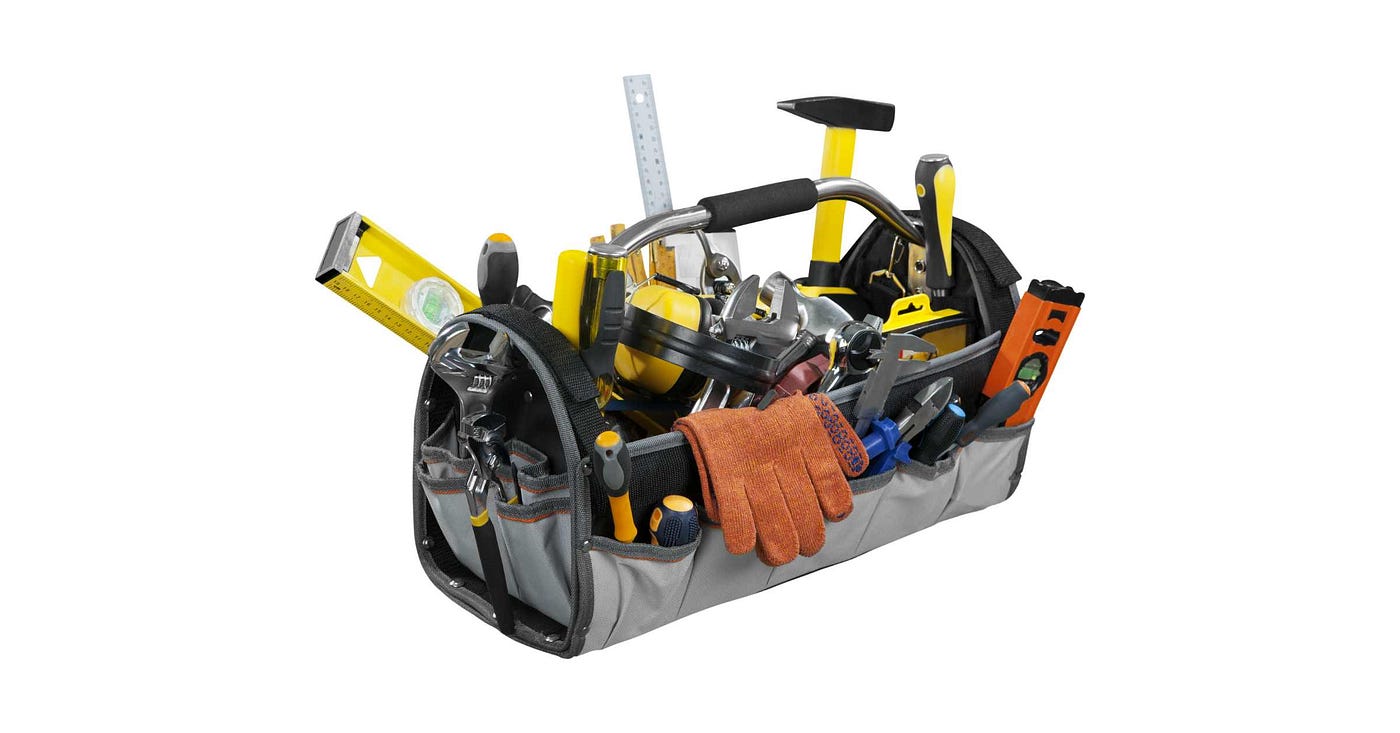
Renting Tools At Destination
Renting power tools at your destination is a simple way to avoid carrying batteries. Many hardware stores and rental centers offer a wide range of tools for short-term use.
| Benefit | Details |
| No need to carry batteries | Rent tools ready to use with batteries included |
| Save on shipping costs | Pay only for the rental period |
| Access to latest models | Use updated tools without buying new ones |
| Local support | Get help and advice from rental staff |
Credit: veronicahanson.medium.com
Regulatory Bodies And Guidelines
Traveling with power tool batteries requires understanding the rules. Air travel has specific guidelines for safety.
Two main bodies regulate these guidelines: the FAA and the IATA. Understanding their rules is important.
Faa Rules
The Federal Aviation Administration (FAA) sets rules for carrying batteries. These rules focus on safety during flights.
| Battery Type | Carry-On | Checked Luggage |
| Lithium-ion (below 100Wh) | Allowed | Not Allowed |
| Lithium-ion (100-160Wh) | Allowed with Approval | Not Allowed |
Iata Recommendations
The International Air Transport Association (IATA) offers guidelines on battery transport. These help ensure global safety standards.
- Batteries must be protected from damage.
- Spare batteries should not touch metal objects.
- Always keep batteries in original packaging.
Frequently Asked Questions
Can You Carry Power Tool Batteries In Checked Luggage?
No, most airlines prohibit power tool batteries in checked luggage due to fire risks. Carry them in carry-on bags only.
Are Lithium-ion Batteries Allowed On Airplanes?
Yes, lithium-ion batteries are allowed but must meet airline size and watt-hour limits. Always check airline policies before flying.
How Should Power Tool Batteries Be Packed For Flights?
Power tool batteries should be individually protected from short circuits. Use original packaging or cover terminals with tape for safety.
Can Spare Power Tool Batteries Be Carried On Planes?
Yes, spare batteries can be carried in carry-on luggage but must follow airline and TSA rules for battery size and quantity.
Conclusion
Power tool batteries need special care when flying. Airlines have rules to keep everyone safe. Carry batteries in your carry-on bag only. Make sure they are protected from short circuits. Check battery size limits before you pack. Declaring batteries at security helps avoid problems.
Following these steps keeps your trip smooth. Travel smart and stay safe with your tools. Always check the latest airline policies first. Better safe than sorry when flying with batteries.