

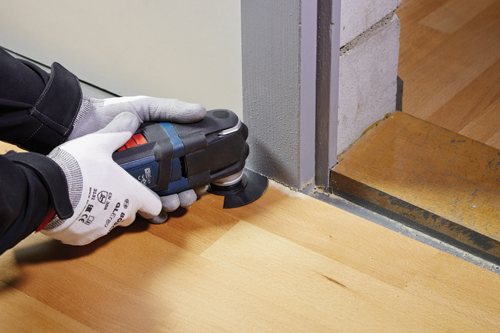
Have you ever faced a quick home project and wondered if your multi tool could handle cutting wood? You might be surprised at how versatile this handy device really is.
Whether you’re a DIY beginner or a seasoned pro, knowing the right way to cut wood with a multi tool can save you time and effort. Stick with me, and you’ll discover simple tips and tricks that will make your next wood-cutting task easier than you imagined.
Ready to unlock the full potential of your multi tool? Let’s dive in!
Multi Tool Basics
A multi tool is a versatile power tool with many uses. It can cut, sand, grind, and scrape.
Cutting wood with a multi tool is common. It works well for small jobs and tight spaces.
Types Of Multi Tools
There are different kinds of multi tools. Some run on electricity, others on batteries.
Oscillating multi tools move the blade side to side. This motion helps cut wood cleanly.
- Corded multi tools need to plug in
- Cordless tools run on rechargeable batteries
- Oscillating tools are the most common type
Common Attachments For Wood Cutting
Multi tools use different blades for wood cutting. Each blade fits specific cutting needs.
Wood cutting blades can be straight or curved. Some have teeth like a saw, others are smooth.
- Segmented saw blades for straight cuts
- Flush cut blades for tight spaces
- Carbide grit blades for hard wood
- Pruning blades for green wood and branches
Choosing The Right Blade
Cutting wood with a multi tool can be easy if you pick the right blade. The blade choice affects your cutting speed and finish.
Different blades work best for different wood types and cuts. Knowing blade materials and shapes helps you make the right choice.
Blade Materials And Durability
Blades come in many materials. Some last longer and cut cleaner than others. Choosing the right material saves time and money.
High carbon steel blades are sharp but wear out fast. Bi-metal blades blend steel types for better strength and durability.
- High carbon steel: sharp, less durable
- Bi-metal: strong, lasts longer
- Carbide-tipped: very hard, cuts tough wood
Blade Shapes For Different Cuts
Blade shape affects how you cut wood. Some shapes work well for straight cuts, others for curves or detail work.
Segmented blades cut fast and straight. Triangular blades reach tight corners and curves easily.
- Segmented blades: fast, straight cuts
- Triangular blades: curved and corner cuts
- Plunge cut blades: start cuts inside wood
Preparing Wood For Cutting
Cutting wood with a multi tool requires careful preparation. Proper steps help ensure clean and accurate cuts. Safety and precision improve with good preparation.
Two key parts of preparation are marking and measuring, and securing the wood. Both help avoid mistakes and keep the wood stable during cutting.
Marking And Measuring
Marking and measuring the wood before cutting is crucial. It guides where to cut and keeps your work precise. Use a pencil and a ruler or tape measure to mark the wood.
- Measure the length and width of the cut area carefully.
- Use a straight edge to draw clear, straight lines.
- Double-check measurements before marking to avoid errors.
- Mark both sides of the wood if possible for better guidance.
- Use a square tool for right angles on corners or edges.
Securing The Wood
Securing the wood prevents it from moving during cutting. This helps keep your hands safe and the cut line accurate. You can use clamps, vises, or heavy objects to hold the wood in place.
| Method | Description | Best Use |
| Clamps | Hold wood firmly on a workbench or table | Small to medium pieces |
| Vise | Strong grip on wood edge or end | Long or narrow pieces |
| Heavy Objects | Place weight on wood to stop movement | Quick, light cuts or large sheets |
Cutting Techniques
Using a multi tool to cut wood can be precise and efficient. Different cutting styles suit different tasks. Understanding each technique helps you get the best results.
Below are common cutting methods with a multi tool. Learn how to do straight, curved, and flush cuts safely and cleanly.
Straight Cuts
Straight cuts are the easiest to make with a multi tool. Use a guide or ruler to keep your line straight. Move the tool steadily and avoid forcing it.
- Mark your cut line clearly on the wood.
- Use a straight edge as a guide if possible.
- Start the cut slowly to avoid splintering.
- Keep the blade perpendicular to the surface.
- Apply gentle pressure and let the tool do the work.
Curved Cuts
Curved cuts need more control and patience. Use a fine-tooth blade designed for detailed work. Move the tool slowly along the curve for smooth edges.
- Draw your curve clearly before cutting.
- Use a blade that suits the wood thickness.
- Make shallow passes to avoid mistakes.
- Keep your hand steady and avoid tilting the tool.
- Practice on scrap wood to improve your skill.
Flush Cuts
Flush cuts allow you to trim wood flush with another surface. Use a special flush cut blade for best results. Keep the tool flat against the surface as you cut.
| Tip | Reason |
| Use a sharp flush cut blade | Prevents tearing and splintering |
| Hold tool steady and flat | Keeps cut even and smooth |
| Cut slowly with light pressure | Reduces risk of damage |
| Check progress often | Avoids cutting too deep |
Safety Tips
Cutting wood with a multi tool is useful but can be risky. Follow safety tips to avoid injuries.
Using the right safety gear and handling the tool carefully makes the job safer.
Protective Gear
Always wear protective gear to keep yourself safe. Wood cutting can send splinters and dust into the air.
Use gloves, goggles, and a dust mask to protect your hands, eyes, and lungs.
- Wear safety goggles to protect your eyes from flying wood chips.
- Use work gloves to keep your hands safe from cuts and splinters.
- Put on a dust mask to avoid breathing in sawdust.
- Wear ear protection if the tool is very loud.
Handling The Tool Safely
Hold the multi tool firmly and keep a steady grip. This helps control the blade while cutting wood.
Make sure the tool is off before changing blades or making adjustments.
- Read the tool manual before use.
- Keep your fingers away from the blade at all times.
- Use slow, steady movements to cut wood cleanly.
- Work in a well-lit area to see clearly.
- Unplug or remove the battery when not in use.

Credit: www.amazon.com
Common Challenges
Using a multi-tool to cut wood can be tricky. There are common challenges that users face. Knowing these can help you work better.
Here are some of the main issues you might encounter. Let’s explore how to handle them effectively.
Avoiding Splintering
Splintering happens when wood fibers tear apart. This can make your project look messy. Smooth cuts are important for a clean finish.
To reduce splintering, use a sharp blade. Move the tool slowly and steadily. Support the wood to prevent it from moving.
- Use a fresh, sharp blade
- Maintain a steady hand
- Secure the wood in place
Managing Tool Vibration
Tool vibration can affect your control. It can also lead to fatigue. Handling vibration is key for precise work.
Hold the tool with both hands for stability. Take breaks to rest your hands. Use anti-vibration gloves if needed.
- Grip the tool firmly with two hands
- Pause regularly to avoid hand fatigue
- Consider using anti-vibration gloves
Maintenance For Multi Tools
Multi tools are handy for cutting wood and other tasks. To keep them working well, regular maintenance is needed.
Proper care extends the life of your multi tool. It ensures safety during use and improves performance.
Cleaning After Use
Clean your multi tool after each use. This prevents dirt and debris from affecting its function.
Use a soft cloth to wipe down the tool. Pay attention to the blade and other moving parts.
- Remove sawdust and wood chips
- Check for any stuck particles
- Use a damp cloth for stubborn dirt
Blade Replacement
Replace the blade when it gets dull. A sharp blade is crucial for efficient cutting.
Follow the tool’s manual for blade replacement. Ensure the new blade is secure before use.
- Check blade compatibility
- Use safety gloves for handling blades
- Tighten the blade securely

Credit: www.familyhandyman.com
Alternative Tools For Wood Cutting
Cutting wood requires the right tools for safe and clean results. A multi tool can cut wood but is not always the best option.
This article explains when to use a multi tool and other tools that work better for wood cutting.
When To Use A Multi Tool
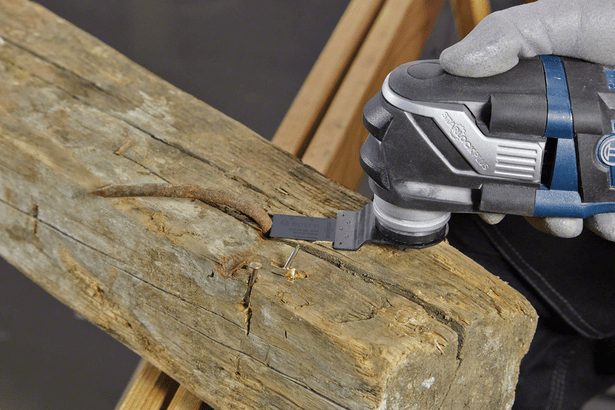
A multi tool is good for small wood cuts and detailed work. It works well in tight spaces or for trimming.
Use a multi tool for light cuts like cutting holes, not for large or thick wood pieces.
- Cutting small shapes or curves
- Trimming wood edges
- Making plunge cuts in thin wood
- Detail work where precision is needed
Other Recommended Tools
For bigger or thicker wood, use tools designed for wood cutting. They cut faster and safer.
- Hand Saw:Good for small cuts and easy to control.
- Circular Saw:Best for straight cuts in large wood pieces.
- Jigsaw:Ideal for curved or irregular cuts.
- Table Saw:Great for precise and repeatable cuts.
- Band Saw:Useful for cutting thick wood and curves.
Choose the tool based on the size and type of your wood project. This helps you work safely and save time.
Credit: www.bosch-professional.com
Frequently Asked Questions
Can A Multi Tool Effectively Cut Wood?
Yes, a multi tool can cut wood effectively. It uses oscillating blades designed for precise cuts. Ideal for small projects and detailed work, it’s not suited for heavy or thick wood cutting.
What Type Of Blade Is Best For Wood Cutting?
A bi-metal or carbide-grit blade works best for wood. These blades provide durability and clean cuts. Choose the blade size based on the wood thickness and cut type.
Can I Cut Hardwood With A Multi Tool?
Cutting hardwood with a multi tool is possible but challenging. Use sharp, high-quality blades and take slow, steady passes. For thick hardwood, a saw is usually more efficient.
Is A Multi Tool Safe For Wood Cutting?
Yes, a multi tool is safe if used properly. Always wear safety gear and secure the wood. Follow manufacturer instructions and avoid forcing the tool during cuts.
Conclusion
A multi tool can cut wood, but it depends on the blade. Choose the right blade for smooth and safe cutting. Small wood pieces work best with a multi tool. For big or thick wood, use a saw instead. Always wear safety gear to protect your eyes and hands.
Practice on scrap wood before starting your project. A multi tool is handy for quick, light cuts. It saves space and works well in tight spots. Keep your blades sharp for better results. Simple and smart—multi tools handle wood cutting with care.