


Are you wondering if a Dremel tool can help you sand wood smoothly and quickly? If you’ve got a small woodworking project or need to reach tricky spots, the answer might surprise you.
Using a Dremel for sanding isn’t just possible—it can save you time and give you more control than traditional sanders. But how do you use it right? Keep reading to discover the tips and tricks that will make your wood sanding easier and more precise than ever before.
Your next project could turn out better than you imagined.
Dremel Tool Basics
The Dremel tool is a small, handheld rotary device. It spins at high speeds to help with many tasks.
You can use it for carving, cutting, sanding, and polishing wood and other materials. It is popular for detailed work.
Key Features
Dremel tools have several features that make them useful for sanding wood. They are lightweight and easy to hold. The speed can be adjusted to fit the task.
- Variable speed control for different materials
- Compact size for precision work
- Ergonomic design for comfort
- Powerful motor for fast sanding
Common Attachments
Dremel tools use many attachments. These help you sand wood smoothly. Some attachments work better for rough sanding, others for fine finishing.
| Attachment | Use | Description |
| Sanding Drum | Rough sanding | Drum-shaped, fits on the tool for heavy sanding |
| Sanding Disc | Flat surfaces | Round discs for sanding flat wood areas |
| Polishing Wheel | Finishing | Soft wheel for smooth finishing and polishing |
| Grinding Stone | Shaping wood | Stone tip for shaping and smoothing edges |

Credit: eternaltools.com
Sanding Wood With A Dremel
A Dremel tool is a small rotary tool that can be used for sanding wood. It works well for detailed or small sanding jobs. You can smooth rough edges and shape wood using this tool.
Sanding wood with a Dremel gives you more control in tight spaces. It is perfect for craft projects, small repairs, or detailed finishing work on wood surfaces.
Suitable Wood Types
A Dremel tool works best on soft to medium hardwoods. Hardwoods like oak or maple may need more time or different tools. Softwoods like pine or cedar are easier to sand with a Dremel.
Thin or delicate wood pieces are ideal for Dremel sanding. It lets you work carefully without removing too much material quickly.
- Softwoods: pine, cedar, fir
- Medium hardwoods: cherry, walnut
- Thin plywood or veneer
Choosing The Right Sanding Attachments
Select the right sanding attachment for your Dremel to get good results. Different attachments work for different sanding needs.
Use sanding drums for shaping and smoothing curves. Sanding discs work well on flat surfaces. Fine grit sanding bands are good for finishing touches on wood.
- Sanding drum: removes wood quickly, good for shaping
- Sanding disc: smooths flat surfaces evenly
- Sanding bands: fine grit for detail work and finishing
- Small sanding points: reach tight or detailed areas
Techniques For Effective Sanding
Sanding wood with a Dremel tool requires control and care. Using the right techniques helps you get smooth surfaces without damage.
This guide covers key tips on speed settings and handling to improve your sanding results.
Proper Speed Settings
Choosing the correct speed on your Dremel tool is important. Too fast can burn the wood or remove too much material. Too slow may not sand effectively.
- Start at a low speed to test how the wood reacts.
- Increase speed gradually for harder woods.
- Use medium speed for general sanding tasks.
- Reduce speed near edges and delicate areas.
- Always follow the manufacturer’s speed guidelines.
Handling And Movement Tips
How you hold and move the Dremel tool affects the sanding quality. Keep your movements steady and light.
| Tip | Description |
| Grip | Hold the tool firmly but not too tight to avoid fatigue. |
| Movement | Use smooth, even strokes along the wood grain. |
| Pressure | Apply gentle pressure to prevent gouging the surface. |
| Angle | Keep the sanding bit flat or slightly angled for best results. |
| Breaks | Pause regularly to check progress and cool the tool. |
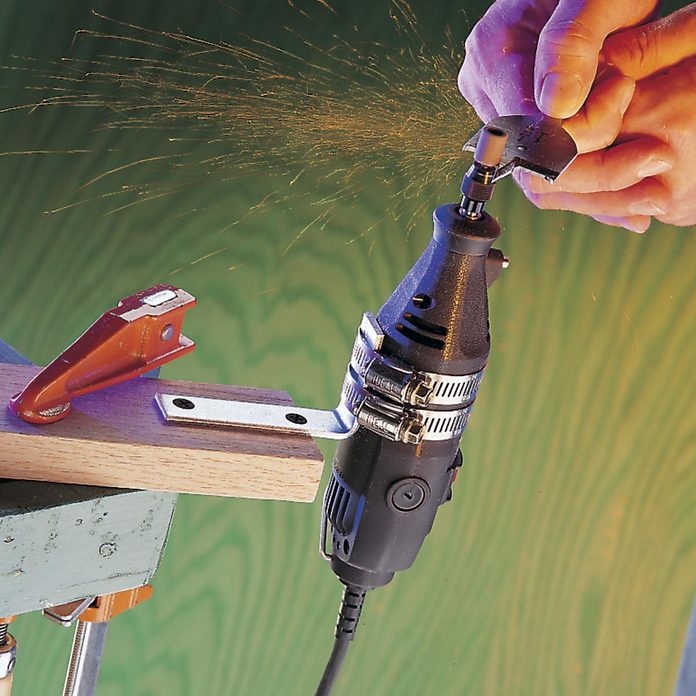
Credit: www.familyhandyman.com
Advantages Of Using A Dremel
A Dremel tool is a small rotary tool useful for sanding wood. It offers benefits that help with many projects. This tool can make sanding easier and more precise.
Using a Dremel tool saves time and effort. It works well for detailed work and can be used in different ways. Let’s look at some advantages.
Precision And Detail Work
A Dremel tool is great for sanding tight spaces and small areas. It helps you reach corners and edges that larger tools cannot. This precision is important for fine woodworking and crafts.
- Allows sanding in small or hard-to-reach areas
- Controls depth and pressure easily
- Produces a smooth, detailed finish
- Reduces risk of sanding too much or damaging the wood
Versatility
The Dremel tool works with many attachments and accessories. You can switch sanding bits to polish, carve, or grind. This makes it a multi-use tool for many woodworking tasks.
| Attachment | Function |
| Sanding drum | Sanding flat and curved surfaces |
| Polishing wheel | Polishing wood and metal |
| Grinding stone | Shaping and sharpening |
| Cutting disc | Cutting wood or plastic |
Limitations And Challenges
A Dremel tool is popular for small woodworking tasks. It can sand wood, but it has limits. Knowing these helps avoid problems.
This tool works well on tiny spots but struggles with bigger areas. It also can cause damage if not used right.
Surface Area Coverage
Dremel tools are small and made for detail work. They cover only tiny areas at a time.
Sanding large wood surfaces with a Dremel takes a long time and is tiring.
- Best for edges and tight spaces
- Not efficient for big tabletops or panels
- May cause uneven sanding on large areas
Potential For Damage
The Dremel tool spins very fast. This speed can remove too much wood quickly.
It is easy to dig into the wood or create scratches if you are not careful.
- High speed can burn the wood surface
- Hard to control pressure on delicate parts
- Wrong attachments may cause rough finishes
Safety Precautions
Using a Dremel tool for sanding wood requires caution. Ensuring safety is essential to prevent accidents and ensure a smooth operation.
Following safety measures helps protect you and the tool. Proper gear and maintenance are key steps in this process.
Protective Gear
Wearing the right protective gear is crucial when operating a Dremel tool. It minimizes risk and ensures safety during sanding tasks.
- Safety goggles protect your eyes from dust and debris.
- Use gloves to shield your hands from vibrations.
- Wear a dust mask to avoid inhaling fine particles.
- Ensure you wear ear protection if the noise level is high.
Tool Maintenance
Maintaining your Dremel tool is important for its performance and longevity. Regular checks and cleaning prevent unexpected breakdowns.
| Task | Frequency |
| Check tool alignment | Before each use |
| Clean the tool | After every session |
| Inspect for damage | Monthly |
| Replace worn-out parts | As needed |
Alternatives For Wood Sanding
Sanding wood is important for smooth finishes. A Dremel tool can work, but there are other options. Let’s explore them.
Hand Sanders
Hand sanders are simple tools. They are great for small projects and detailed work. You can control them easily.
- Sandpaper blocks are easy to use.
- Sponges are good for curves.
- Files help with detailed areas.
Power Sanders
Power sanders save time on big projects. They come in different types for various tasks. Choose the right one for your needs.
| Type | Best Use |
| Belt Sander | Large surfaces |
| Orbital Sander | Fine finishing |
| Detail Sander | Small corners |

Credit: www.youtube.com
Frequently Asked Questions
Can A Dremel Tool Effectively Sand Wood Surfaces?
Yes, a Dremel tool can sand wood. It works best for small or detailed areas. Use the right sanding attachment for smooth results.
What Sanding Attachments Work Best With A Dremel Tool?
Sanding drums and discs fit well on a Dremel. Choose fine to medium grit for wood. These attachments offer good control and precision.
Is A Dremel Tool Suitable For Large Wood Sanding Projects?
No, a Dremel is not ideal for large surfaces. It’s best for detailed, small sanding tasks. For big areas, use a belt or orbital sander.
How Do I Prevent Wood Damage Using A Dremel Tool?
Use low speed settings to avoid burning wood. Apply gentle pressure and keep the tool moving. This prevents gouges and uneven sanding.
Conclusion
A Dremel tool works well for small sanding jobs on wood. It fits tight spaces and helps with detailed work. You can choose different sanding attachments for best results. Just take care to use the right speed and pressure. This tool is not for large surfaces, but it adds control and precision.
Give it a try on your next wood project. You might find it handy and easy to use. Sanding wood can be simple with the right tool in hand.