

Are you tired of battling weeds that steal nutrients from your vegetable garden? You might have heard about using weed barriers to keep those pesky plants at bay.
But can you really use a weed barrier in your vegetable garden without harming your crops? If you want to protect your veggies and make gardening easier, understanding how weed barriers work is key. Keep reading to discover if this method is right for your garden and how to use it effectively for a healthy, thriving harvest.
Purpose Of Weed Barriers
Weed barriers help control unwanted plants in your vegetable garden. They stop weeds from growing and stealing nutrients from your vegetables.
Using weed barriers can save time and effort in garden maintenance. They also help keep the soil moist and protect your plants.
How Weed Barriers Work
Weed barriers block sunlight from reaching weed seeds. Without light, seeds cannot grow into weeds. This reduces weed growth in your garden.
Some barriers also prevent weed roots from growing through the soil. This stops weeds from taking root near your vegetables.
Types Of Weed Barriers
- Plastic sheets: Block all light but can trap water.
- Woven fabrics: Let water through but block weeds.
- Organic mulches: Natural materials that block weeds and improve soil.
- Paper mulch: Biodegradable and good for small gardens.
| Type | Light Blocking | Water Permeability | Durability |
|---|---|---|---|
| Plastic Sheets | 100% | Low | High |
| Woven Fabrics | High | High | Medium |
| Organic Mulches | Medium | High | Low |
| Paper Mulch | High | Medium | Low |
Benefits In Vegetable Gardens
Using weed barrier fabric in vegetable gardens can help improve garden health. It helps reduce weeds and keeps the soil in good condition.
Gardeners often look for ways to make their work easier. Weed barriers offer practical benefits that support plant growth.
Reducing Weed Growth
Weed barriers block sunlight from reaching the soil. This stops many weed seeds from sprouting and growing.
With fewer weeds, vegetable plants get more nutrients and space to grow. Gardeners spend less time pulling weeds.
- Blocks sunlight to prevent weed seeds from growing
- Reduces competition for nutrients and water
- Makes garden maintenance easier and faster
Maintaining Soil Moisture
Weed barriers help keep moisture in the soil by reducing evaporation. This helps plants stay hydrated longer.
Consistent moisture promotes healthy root growth and better vegetable yields. It can also reduce the need for frequent watering.
- Reduces water loss through evaporation
- Keeps soil moist for longer periods
- Supports strong root development
Potential Drawbacks
Using weed barriers in a vegetable garden can seem helpful. They reduce weeds and save time. Yet, there are some drawbacks to consider before using them.
This article looks at two main issues: how weed barriers affect soil health and how they can challenge plant growth.
Impact On Soil Health
Weed barriers cover the soil and block air, water, and nutrients from reaching it. This can harm the natural soil life that plants need.
- Soil may become compacted and hard.
- Beneficial insects and earthworms may decrease.
- Water drainage can be poor, causing root problems.
- Microbial activity in the soil can slow down.
Challenges With Plant Growth
Plants need space to spread roots and access water. Weed barriers can limit root growth and reduce plant health.
| Issue | Effect on Plants |
| Root Restriction | Roots cannot grow deeply or widely. |
| Water Access | Water may not reach roots well. |
| Heat Buildup | Barriers can increase soil temperature too much. |
| Nutrient Blockage | Fertilizers may not reach the soil effectively. |

Credit: www.youtube.com
Choosing The Right Material
Using a weed barrier in a vegetable garden helps control weeds and keep soil healthy. Picking the right material matters for your plants to grow well.
Some materials work better than others. Think about what fits your garden needs and how it affects your vegetables.
Organic Vs Synthetic Options
Organic weed barriers are made from natural materials like burlap or cardboard. They break down over time and add nutrients to the soil.
Synthetic options use plastic or fabric. They last longer but do not improve soil health. Some might block water and air from reaching roots.
- Organic materials decompose and feed soil
- Synthetic materials last longer and block weeds
- Organic barriers may need replacing yearly
- Synthetic barriers can last several years
Durability And Breathability
Durability means how long the barrier lasts in the garden. Breathability means if air and water can pass through it.
Synthetic barriers are more durable but may reduce water flow. Organic barriers allow water and air but wear out faster.
- Durable materials reduce the need to replace often
- Breathable materials help plants get water and oxygen
- Balance durability and breathability for best results
Installation Tips
Using weed barrier in a vegetable garden can help reduce weeds and save time. Proper installation is key to get the best results.
Follow simple steps to prepare the garden bed and place the barrier correctly for healthy vegetable growth.
Preparing The Garden Bed
Start by clearing the area of weeds, rocks, and debris. Smooth the soil surface to avoid bumps under the barrier.
- Remove all existing weeds and roots.
- Rake the soil to make it flat and even.
- Water the soil lightly to help it settle.
- Mark planting spots for your vegetables.
Proper Placement Techniques
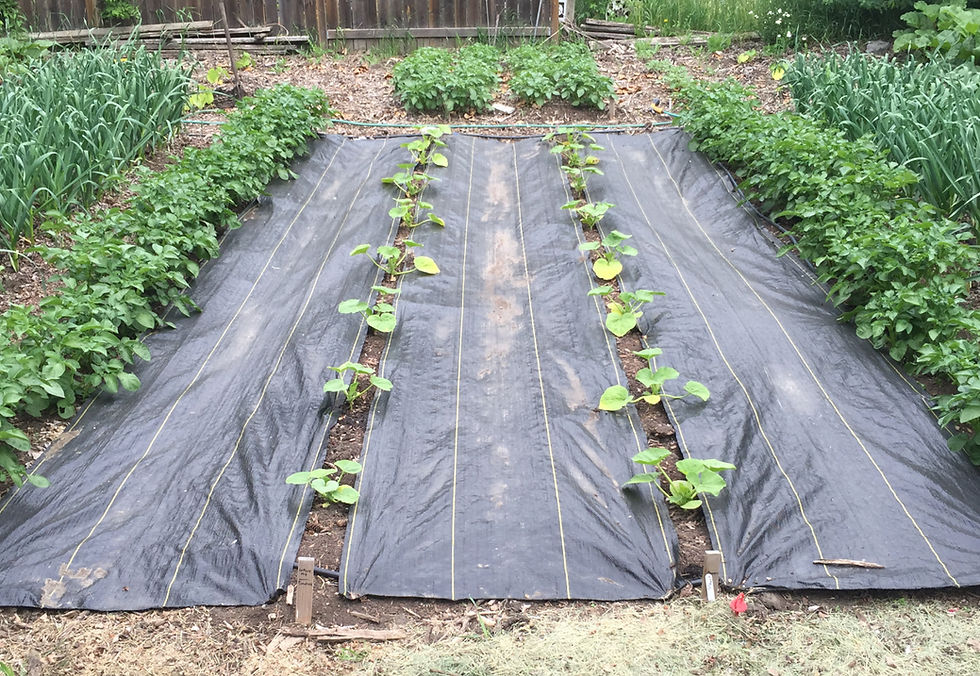
Place the weed barrier tightly over the prepared soil. Cut holes only where you will plant vegetables to allow root growth.
| Tip | Reason |
| Overlap edges by 6 inches | Prevents weeds from growing between sheets |
| Secure edges with landscape staples | Keeps barrier from moving in wind |
| Cut planting holes just large enough | Minimizes weed growth near plants |
| Water soil before covering | Helps plants establish roots faster |

Credit: www.reddit.com
Maintenance And Care
Using a weed barrier in a vegetable garden can help reduce weeds. It requires proper maintenance and care for the best results.
Keep an eye on soil conditions and the barrier itself. Regular checks ensure your garden thrives.
Monitoring Soil Moisture
Soil moisture is vital for plant health. A weed barrier might affect water absorption.
Check the soil regularly to ensure it is not too dry. Adjust your watering schedule if needed.
- Feel the soil with your fingers
- Use a moisture meter for accuracy
- Water in the morning to prevent evaporation
Weed Barrier Repairs
Inspect the weed barrier for tears or holes. These can let weeds through and disrupt your garden.
Repair any damage promptly. A well-maintained barrier keeps weeds away from your vegetables.
- Patch small holes with tape
- Replace large sections if necessary
- Secure edges to prevent lifting by wind
Alternatives To Weed Barriers
Weed barriers are useful but not always the best choice for vegetable gardens. There are other methods that can help keep weeds under control.
These alternatives can improve soil health and make your garden more productive. Let’s explore some options.
Mulching Options
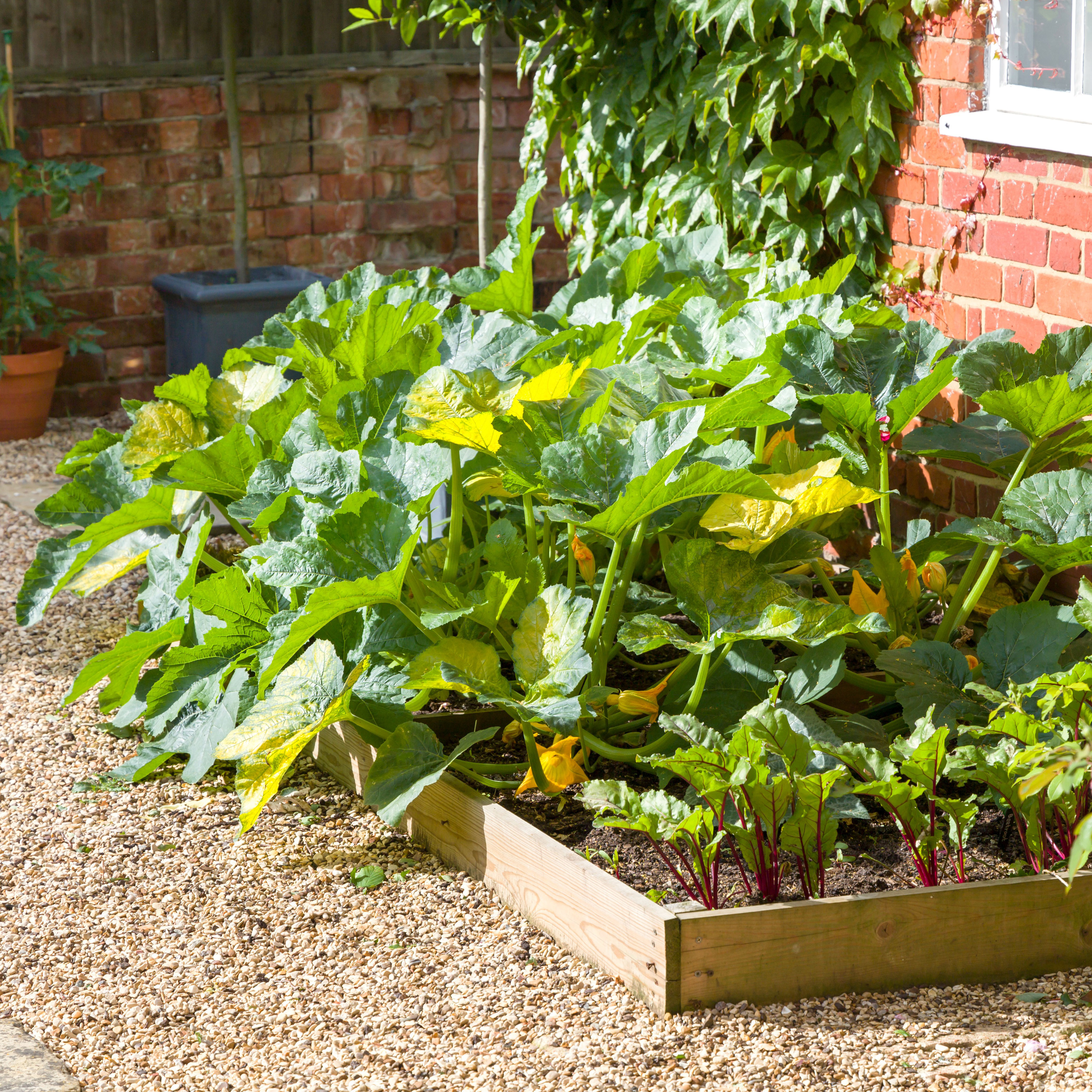
Mulching is a great way to suppress weeds and retain soil moisture. It also adds nutrients to the soil as it breaks down.
- Grass clippings are easy to find and enrich the soil.
- Straw is effective and keeps the garden tidy.
- Wood chips work well for paths between vegetable rows.
- Leaf mulch is excellent for adding organic matter.
Manual Weed Control
Manual weed control involves removing weeds by hand or using tools. This method is labor-intensive but very effective.
Manual methods can include:
- Pulling weeds by hand after rain when the soil is soft.
- Using a hoe to cut weeds at the root level.
- Cultivating soil regularly to disturb weed growth.
Credit: www.gardeningknowhow.com
Frequently Asked Questions
Can Weed Barriers Harm Vegetable Plants?
Weed barriers can restrict root growth and water flow if non-breathable. Choose breathable materials to avoid harming vegetables. Proper installation allows water and air to reach roots.
Are Weed Barriers Effective In Vegetable Gardens?
Yes, weed barriers reduce weed growth by blocking sunlight. They save time on weeding and help maintain soil moisture. However, occasional manual weeding may still be necessary.
What Types Of Weed Barriers Suit Vegetable Gardens?
Use breathable fabric barriers or organic mulches like straw. Avoid plastic sheets that trap heat and moisture. Choose materials that allow water and air to penetrate soil.
Can Weed Barriers Affect Soil Health?
Non-breathable barriers can reduce soil aeration and microbial activity. Breathable fabrics promote healthy soil by allowing gas exchange. Organic mulches also improve soil structure and nutrients.
Conclusion
Using weed barrier in a vegetable garden can save time and effort. It stops weeds from growing and keeps soil moist. Choose a breathable fabric to help plants grow well. Cut holes carefully for your vegetables to get sunlight and water.
Regularly check under the barrier to avoid hidden weeds. This method works best with proper garden care. Weed barriers are a helpful tool, not a full solution. Try it in your garden and see the difference it makes.