


Are weeds taking over your garden and stealing the spotlight from your beautiful plants? You’re not alone.
Weeding your garden can feel like a never-ending battle, but it doesn’t have to be that way. Imagine a garden where every plant thrives, and weeds don’t stand a chance. You’ll discover simple, effective ways to keep your garden weed-free and healthy.
Ready to transform your outdoor space and enjoy the fruits of your labor without the hassle? Let’s dive in and make your garden the envy of the neighborhood.

Credit: www.walmart.com
Common Garden Weeds
Weeds grow quickly and compete with your plants for water and nutrients. They can spoil the look of your garden.
Knowing about common weeds helps you remove them early. This keeps your garden healthy and neat.
Types Of Weeds To Watch
Some weeds are very common in most gardens. They can grow in different weather and soil types.
- Dandelion: Has yellow flowers and deep roots.
- Crabgrass: A fast-growing grassy weed.
- Chickweed: Small leaves and white flowers.
- Clover: Has round leaves and small white flowers.
- Bindweed: Twining vine with white or pink flowers.
How Weeds Spread
Weeds spread by seeds, roots, or parts of the plant. Seeds can travel by wind, water, or animals.
Some weeds grow new plants from root pieces left in the soil. This makes them hard to remove.
- Wind carries lightweight seeds far away.
- Water moves seeds to wet areas.
- Animals and humans carry seeds on clothes or fur.
- Roots can grow new plants if broken.
Preventing Weed Growth
Weeds compete with plants for water, nutrients, and light. They can harm your garden’s health and beauty. Preventing weed growth helps plants thrive and reduces garden work.
Using smart techniques before and during planting can keep weeds away. Focus on soil preparation, plant choices, and mulch use. These steps create a strong defense against weeds.
Soil Preparation Techniques
Preparing soil properly stops weed seeds from growing. Remove old weeds and roots before planting. Loosen the soil to improve drainage and root growth.
- Clear all visible weeds and roots.
- Till the soil to break up hard clumps.
- Mix in compost to enrich the soil.
- Use a hoe or rake to smooth the surface.
- Water the soil lightly to settle it.
Choosing The Right Plants
Select plants that grow close together and cover the soil. These plants block sunlight, which weeds need to grow. Use ground covers or dense shrubs for best results.
| Plant Type | Weed Control Benefit | Example Plants |
|---|---|---|
| Ground Covers | Shade soil, reduce weed space | Creeping thyme, clover |
| Dense Shrubs | Limit sunlight and space for weeds | Boxwood, holly |
| Fast-Growing Annuals | Fill gaps quickly to crowd weeds | Marigold, zinnia |
Using Mulch Effectively
Mulch blocks weed seeds from getting light. It also keeps soil moist and cool. Spread mulch thickly around plants and refill as needed.
Types of mulch to use:
- Wood chips or bark
- Straw or hay
- Grass clippings
- Compost
- Plastic mulch sheets
Manual Weeding Strategies
Manual weeding helps keep your garden healthy and neat. It removes unwanted plants by hand or with simple tools.
This method is safe for your plants and the environment. It also improves soil health without chemicals.
Best Tools For Weeding
Choosing the right tools makes weeding easier and faster. Use tools that fit your garden size and plant types.
- Hand trowel – for digging out roots
- Hoe – to cut weeds at soil level
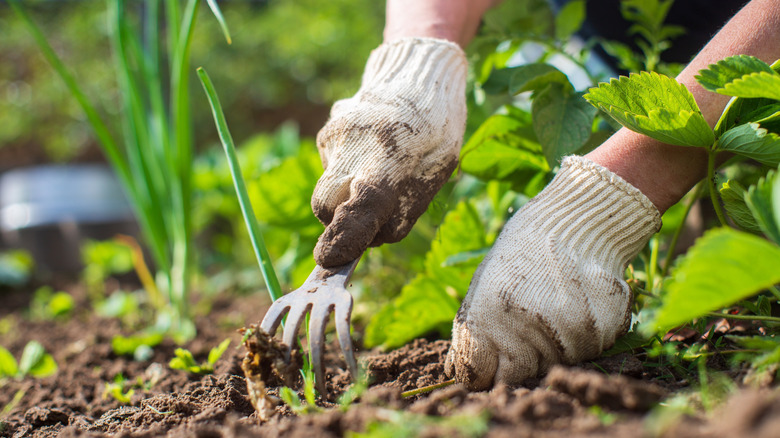
- Weeding fork – for loosening soil and removing deep roots
- Gloves – to protect your hands
- Kneeling pad – for comfort while working
Timing Your Weeding Sessions
Weed removal is best done regularly and at certain times. This stops weeds from spreading seeds.
| Time of Day | Reason |
| Early morning | Soil is soft and easier to work |
| After rain | Weeds pull out with roots easily |
| Late afternoon | Weeds are visible and not wilted |
Safe Removal Methods
Remove weeds carefully to avoid harming plants. Pull weeds slowly and dig around roots.
- Grab the weed close to the base
- Pull gently but firmly, removing roots
- Use a tool for tough roots
- Dispose of weeds away from garden beds
- Check for regrowth regularly
Chemical Weed Control
Chemical weed control helps manage unwanted plants in your garden. Using herbicides can save time and effort.
Choosing the right herbicide and applying it correctly is important for safety and effectiveness.
Selecting Herbicides
Pick herbicides based on the type of weeds and plants you want to protect. Some herbicides work on broadleaf weeds, others on grasses.
| Herbicide Type | Target Weeds | Use Area |
| Selective | Broadleaf weeds | Lawns and gardens |
| Non-selective | All plants | Driveways and walkways |
| Pre-emergent | Weed seeds | Before weed growth |
| Post-emergent | Visible weeds | After weed growth |
Application Tips
Apply herbicides carefully for best results. Follow the product label instructions closely.
- Wear protective clothing and gloves
- Spray on calm, dry days to avoid drift
- Measure herbicide and water accurately
- Keep children and pets away during application
- Clean equipment after use
Safety Precautions
Herbicides can harm people and the environment if used wrong. Follow these safety tips:
- Store chemicals in original containers, away from children
- Do not eat, drink, or smoke while handling herbicides
- Wash hands and skin after use
- Dispose of leftover herbicides and containers properly
- Keep herbicides away from water sources
Natural Weed Control Methods
Weeds can damage your garden and take nutrients from your plants. Using natural weed control keeps your garden healthy and safe.
Natural methods avoid harsh chemicals. They help the environment and keep your soil rich.
Organic Weed Killers
Organic weed killers use natural ingredients to stop weeds from growing. They are safe for your plants and soil.
Common organic weed killers include corn gluten meal and natural oils. These substances block weed seeds from sprouting.
- Corn gluten meal prevents weed seeds from growing
- Natural oils like clove oil kill young weeds
- Use organic weed killers before weeds become strong
Beneficial Plants As Weed Barriers
Some plants stop weeds from growing by covering the ground. These plants block sunlight and space for weeds.
Ground covers and dense plants are good weed barriers. They improve soil and attract helpful insects.
- Use clover or creeping thyme as ground covers
- Plant dense shrubs to block weed growth
- Cover bare soil to stop weed seeds from sprouting
Using Vinegar And Other Home Remedies
Vinegar is a popular home remedy to kill weeds. Its acid burns weed leaves and stops growth.
Other home remedies include boiling water and salt. These work best on small weed patches.
- Spray vinegar directly on weed leaves
- Pour boiling water on weeds to kill roots
- Use salt carefully; it can harm soil if overused
Credit: www.housedigest.com
Maintaining A Weed-free Garden
Gardening is a rewarding hobby. Keeping weeds away helps plants thrive. Learn how to maintain a weed-free garden.
Discover simple steps to prevent weeds from taking over. Regular care and attention make all the difference.
Regular Garden Maintenance
Consistent maintenance keeps your garden healthy. Simple tasks can help control weed growth.
- Water your plants regularly.
- Mulch around plants to block sunlight to weeds.
- Remove weeds by hand after rain, when the soil is soft.
Monitoring For New Growth
Keep an eye on your garden for signs of new weed growth. Early detection makes removal easier.
| Time of Day | Best for Monitoring |
| Morning | Cool temperatures |
| Evening | Less sunlight |
Seasonal Weed Management
Different seasons require different strategies. Adapt your approach to the changing weather.
- Spring: Pull young weeds before they seed.
- Summer: Apply thick mulch layers.
- Autumn: Clear fallen leaves, which can hide weeds.
- Winter: Plan for next year’s garden layout.
Credit: www.extraspace.com
Frequently Asked Questions
What Is The Best Time For De Weeding A Garden?
The best time to de weed a garden is early morning or late afternoon. These times reduce plant stress and heat exposure. Regular weeding during the growing season keeps your garden healthy and weed-free.
How Often Should I De Weed My Garden?
You should de weed your garden at least once a week. Frequent weeding prevents weeds from spreading and competing with your plants for nutrients and water. Consistency is key for a thriving garden.
What Tools Are Best For De Weeding Garden Beds?
Hand trowels, weed pullers, and hoes are ideal tools for de weeding garden beds. These tools help remove weeds efficiently without disturbing plant roots. Choose ergonomic tools for comfort during extended weeding sessions.
Can Mulching Help Reduce Garden Weeds?
Yes, mulching significantly reduces garden weeds by blocking sunlight. It also retains soil moisture and improves soil health. Apply mulch around plants to create a natural barrier against weed growth.
Conclusion
Weeding your garden keeps plants healthy and soil strong. Removing weeds saves water and helps flowers grow better. Regular weeding stops pests and diseases from spreading fast. It also makes your garden look neat and tidy. Spend a little time each week pulling out unwanted plants.
Your garden will thank you with bright colors and fresh scents. Small efforts bring big rewards in a beautiful garden space. Keep weeding simple and enjoy the peaceful outdoor time. Gardening feels good when you see clean, green beds everywhere.