

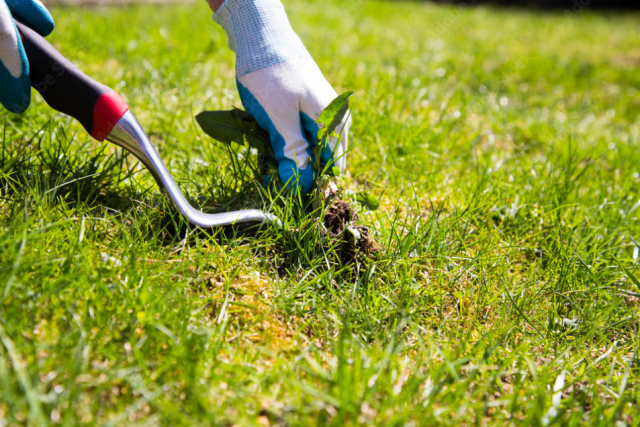
Are weeds taking over your garden and stealing the spotlight from your beautiful plants? You’re not alone—and the good news is, you can take control.
Imagine a garden where every flower and vegetable thrives, free from those stubborn, unwanted guests. You’ll discover simple, effective ways to get rid of weeds for good. Whether you’re a seasoned gardener or just starting out, these tips will help you protect your garden and enjoy the vibrant, healthy space you deserve.
Keep reading, and say goodbye to weeds once and for all!
Identify Common Garden Weeds
Weeds grow fast and can take over your garden. Knowing which weeds are common helps you remove them early. This keeps your plants healthy and your garden neat.
Weeds come in many shapes and sizes. Some have broad leaves, while others have thin blades. Learning to spot these weeds makes garden care easier.
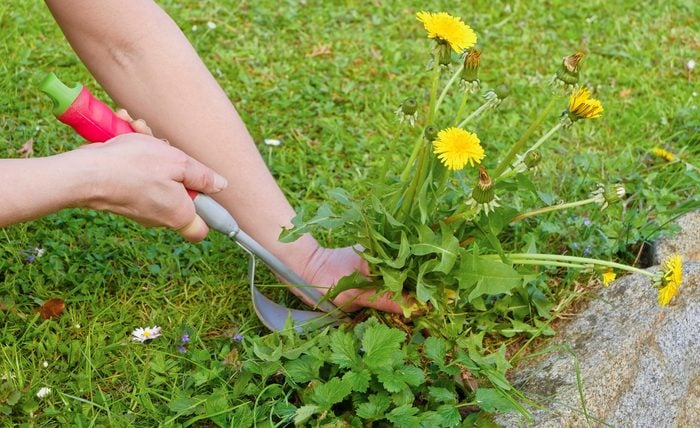
Dandelion
Dandelions have bright yellow flowers and jagged leaves. They spread quickly by seeds that float on the wind. Their deep roots make them hard to pull out.
Crabgrass
Crabgrass grows low to the ground with wide, flat blades. It spreads fast and crowds out grass and flowers. It likes hot, dry weather and bare soil.
Bindweed
Bindweed has white or pink trumpet-shaped flowers. Its vines twist around other plants and block sunlight. It has a strong root system under the soil.
Common Purslane
Purslane has small, thick, succulent leaves and red stems. It grows close to the ground and spreads quickly. It thrives in sunny, dry spots.
Common Garden Weeds Chart
| Weed Name | Leaf Type | Flower Color | Growth Habit |
| Dandelion | Jagged, Broad | Yellow | Deep Root |
| Crabgrass | Wide, Flat Blades | None | Spreads Low |
| Bindweed | Heart-shaped | White/Pink | Vining |
| Purslane | Succulent | Yellow | Spreads Low |
Credit: www.familyhandyman.com
Prevent Weed Growth Early
Weeds can quickly take over your garden if you do not stop them early. It is easier to keep weeds away than to remove them later.
Starting with good habits helps your plants grow strong and healthy. This also keeps weeds from growing in your garden beds.
Use Mulch Effectively
Mulch covers the soil and blocks sunlight from reaching weed seeds. Without light, weed seeds cannot grow well.
Apply a thick layer of mulch around your plants. Keep mulch about 2 to 3 inches deep for best results.
- Use organic mulches like wood chips, straw, or leaves
- Renew mulch yearly to keep it thick and protective
- Keep mulch away from plant stems to avoid rot
Choose Ground Covers
Ground covers are low plants that spread quickly and cover soil. They stop weeds by taking up space and light.
Select ground covers that suit your garden climate and soil. These plants help reduce weed growth naturally.
- Creeping thyme works well in dry, sunny spots
- Hostas grow in shady areas and cover soil fast
- Clovers fix nitrogen and improve soil health
Improve Soil Health
Healthy soil supports strong plants that outgrow weeds. Adding compost or organic matter feeds your plants well.
Good soil drains water well and holds nutrients for plants. This makes it hard for weeds to take hold and spread.
- Add compost to feed soil microbes and plants
- Test soil and adjust pH if needed
- Use cover crops in off seasons to enrich soil
Manual Weed Removal Techniques
Removing weeds by hand is an easy way to keep your garden healthy. It does not need special chemicals or tools.
Manual weed removal helps protect your plants and the soil. You can do it anytime and anywhere in your garden.
Hand Pulling Tips
Pulling weeds by hand works best when the soil is moist. This makes it easier to remove the whole weed.
- Wear gloves to protect your hands.
- Grab the weed near the base close to the ground.
- Pull slowly and firmly to avoid breaking the roots.
- Remove weeds after rain or watering.
- Dispose of weeds away from the garden to stop spreading seeds.
Using Weeding Tools
Tools can help you remove weeds faster and easier. Use the right tool for the type of weed and soil.
| Tool | Use | Best For |
| Hand Trowel | Digging small weeds | Soft soil |
| Hoe | Cutting weed roots | Large areas |
| Weeding Fork | Loosening soil around roots | Compact soil |
| Weed Puller | Removing deep roots | Deep-rooted weeds |
Removing Roots Completely
Pulling out the whole root stops weeds from growing back. Some roots hide deep in the soil.
Try this method to remove roots fully:
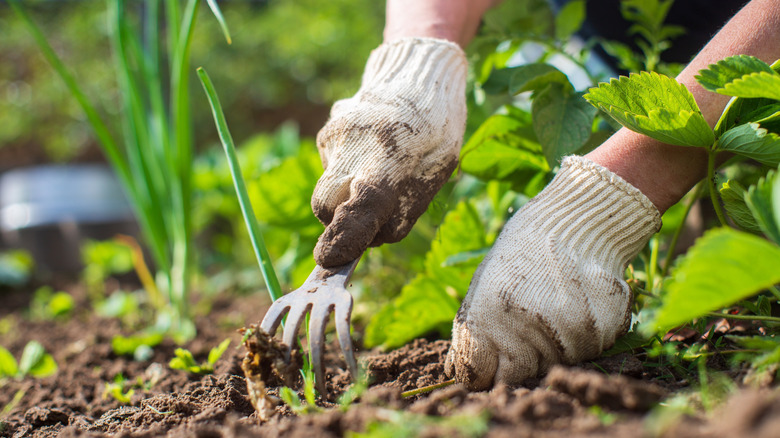
- Loosen the soil around the weed with a tool.
- Grab the weed close to the root crown.
- Pull gently but firmly to remove the entire root system.
- Check the soil for root pieces and remove them too.
Natural Weed Control Methods
Weeds can take over your garden if you do not manage them carefully. Using natural methods helps protect your plants and the environment.
This guide covers three easy ways to control weeds without harmful chemicals.
Homemade Organic Herbicides
Organic herbicides made from common household items can kill weeds safely. These mixtures do not harm your soil or plants if used carefully.
- Mix two cups of salt with one gallon of water.
- Add one tablespoon of liquid soap to help the mixture stick to leaves.
- Spray directly onto the weeds on a dry, sunny day.
- Avoid spraying on plants you want to keep.
Boiling Water Application
Pouring boiling water on weeds is a quick way to kill them. The hot water damages weed cells and stops growth.
This method works well for weeds growing in cracks on driveways or paths.
| Benefit | Detail |
| Cost | Free using tap water |
| Safety | Safe for soil, but be careful around plants |
| Effectiveness | Best on young weeds |
| Speed | Shows results in a few hours |
Vinegar Solutions
Vinegar can kill weeds by drying out their leaves. Use vinegar with 5% acetic acid for safe home use.
Here is a simple vinegar weed killer recipe:
- Pour one gallon of vinegar into a spray bottle.
- Add one cup of salt to increase effectiveness.
- Mix in one tablespoon of liquid soap to help spray stick.
- Spray on weed leaves during sunny weather.
- Repeat every few days if needed.
Chemical Weed Killers
Chemical weed killers help control unwanted plants in your garden. They can quickly reduce weed growth. Use them carefully to protect your other plants.
These products come in different forms like sprays and granules. Each works best for certain types of weeds and garden conditions.
Selecting Safe Herbicides
Choose herbicides that target only the weeds you want to remove. Read labels to check if the product is safe for your garden plants.
- Pick herbicides labeled for your garden type
- Check if the product is selective or non-selective
- Look for low-toxicity options to protect pets and wildlife
- Avoid herbicides with persistent chemicals in the soil
Proper Application
Apply herbicides carefully to avoid damage to plants you want to keep. Follow the product instructions step by step.
| Application Method | When to Use | Tips |
| Spray | On broadleaf or grassy weeds | Avoid windy days to reduce drift |
| Granules | On soil surface before weeds grow | Water after application to activate |
| Spot Treatment | Small patches of weeds | Apply only on weeds, not nearby plants |
Precautions And Safety
Wear protective clothing when using chemical weed killers. Keep children and pets away from treated areas until it is safe.
- Read all safety warnings on the label
- Use gloves and eye protection during application
- Wash hands and clothes after use
- Store herbicides in a locked place away from children

Credit: www.youtube.com
Regular Garden Maintenance
Keeping your garden free of weeds requires regular maintenance. Consistent care helps plants grow strong.
Maintaining a weed-free garden is easier with simple practices. Routine checks and timely actions are key.
Routine Inspection
Check your garden regularly to spot weeds early. Early detection prevents them from spreading.
Inspecting your garden weekly helps you catch new weeds. This saves time and effort later.
- Walk through your garden once a week
- Look for weeds near plant bases
- Check corners and edges of the garden
Timely Weed Removal
Remove weeds as soon as you find them. Early removal prevents them from taking root.
Pulling weeds by hand is effective for small gardens. Use tools for larger areas.
- Use a hand trowel for small weeds
- Consider a hoe for larger patches
- Dispose of weeds in a compost bin
Lawn And Garden Care
Proper lawn care reduces weed growth. Mow regularly to keep grass healthy.
Garden beds benefit from mulching. It keeps soil moist and blocks sunlight from reaching weeds.
- Mow the lawn once a week
- Apply mulch to garden beds
- Water plants deeply but less often
Tips For Sustainable Weed Management
Weeds can be a problem for gardeners. Managing them sustainably helps your garden stay healthy. Use natural methods to control weed growth and protect the environment.
Here are some sustainable techniques to keep weeds in check. These tips will help you maintain a thriving garden.
Crop Rotation Benefits
Crop rotation is a simple way to control weeds. It involves changing where you plant crops each year. This disrupts weed growth patterns.
Different crops use different nutrients. Rotating them keeps the soil balanced and healthy. Weeds find it harder to adapt to these changes.
- Prevents soil exhaustion
- Reduces pest and weed build-up
- Improves soil structure
Companion Planting
Companion planting is a natural way to manage weeds. Some plants help each other grow by keeping weeds away. They do this by covering the ground and blocking sunlight.
Choose plants that grow well together. This not only controls weeds but also boosts plant health. Your garden will be more productive and beautiful.
- Tall plants provide shade for smaller ones
- Spreading plants cover the soil
- Aromatic plants deter pests
Encouraging Beneficial Insects
Beneficial insects help control weeds naturally. They feed on weed seeds and other pests. Attracting these insects can reduce the need for chemical controls.
Plant flowers and herbs that attract insects like ladybugs and bees. These insects will help you manage weeds and improve plant growth.
- Ladybugs eat aphids
- Bees pollinate flowers
- Lacewings control pests
Credit: www.housedigest.com
Frequently Asked Questions
What Are The Best Natural Ways To Remove Garden Weeds?
Natural weed removal includes hand-pulling, mulching, and using vinegar sprays. These methods avoid chemicals and protect your garden soil. Mulch blocks sunlight, preventing weed growth. Vinegar kills young weeds but use cautiously to avoid plants. Regular weeding keeps your garden healthy and weed-free.
How Often Should I Weed My Garden For Best Results?
Weed your garden at least once a week. Frequent weeding prevents weeds from seeding and spreading. Early removal is easier and less damaging to plants. Consistency ensures a tidy garden and reduces long-term maintenance efforts.
Can Mulching Help In Controlling Garden Weeds?
Yes, mulching is highly effective against weeds. It blocks sunlight, stopping weed seeds from germinating. Organic mulches also improve soil health by adding nutrients. Apply a 2-3 inch layer around plants for best results. Mulching reduces the need for chemical herbicides.
Are Chemical Herbicides Safe For Garden Weed Control?
Chemical herbicides can be effective but use with caution. Follow label instructions carefully to avoid harming desired plants. Opt for targeted herbicides for specific weed types. Consider organic or natural alternatives to minimize environmental impact.
Conclusion
Controlling weeds keeps your garden healthy and neat. Pull them out early before they spread. Mulch helps stop new weeds from growing fast. Use tools carefully to avoid harming your plants. Water your garden properly to support strong plants. Regular care makes weeding easier over time.
Patience and routine bring the best results. Your garden will look beautiful and thrive. Keep these tips in mind for weed-free growth.