

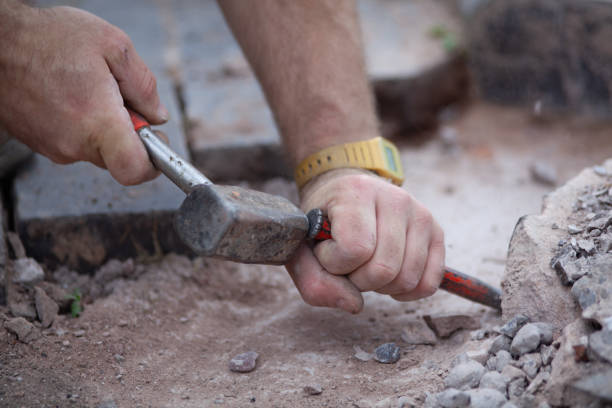
Breaking concrete by hand might sound tough, but with the right tools and techniques, you can do it yourself without calling in expensive help. Whether you’re tackling a small patch or removing old slabs, knowing how to break concrete safely and effectively puts you in control.
This guide will walk you through simple steps and tools you can use to get the job done right. Ready to save time and money while gaining a useful skill? Keep reading, and you’ll learn exactly how to break concrete with hand tools like a pro.
:max_bytes(150000):strip_icc()/Chopping-Away-Large-Pieces-of-Concrete-1500-x-1125-56a49ebf3df78cf772834cf7.jpg)
Credit: www.thespruce.com
Choosing The Right Tools
Choosing the right tools for breaking concrete is important. The right tools make the job easier and safer. Using hand tools means you need strong, durable equipment. This section explains which tools to pick. It also covers what to check for quality and safety.
Essential Hand Tools For Breaking Concrete
A heavy-duty sledgehammer is a key tool. It breaks concrete with strong, repeated hits. A cold chisel helps to chip away smaller pieces. Use a pry bar to lift and remove broken chunks. A hand drill with a masonry bit can make starter holes. These tools work well together for manual concrete breaking.
Tool Quality And Safety Features
Choose tools with sturdy handles to avoid breakage. Look for shock-absorbing grips to reduce hand strain. Check if the metal parts are rust-resistant for long use. Inspect tools for cracks or damage before starting work. Safety glasses and gloves are necessary to protect yourself. Good quality tools improve safety and make work faster.
Credit: www.amirahfoundation.org
Preparing The Work Area
Preparing the work area is a vital first step before breaking concrete with hand tools. A well-organized space makes the job safer and easier. It helps avoid accidents and keeps tools within reach. Clear and mark the concrete surface properly. Wear the right safety gear to protect yourself from dust and debris. This preparation saves time and effort during the actual breaking process.
Clearing And Marking The Concrete
Start by removing all objects near the concrete area. Move furniture, plants, and loose items away. Sweep the surface to clear dirt and dust. Use chalk or a marker to outline the area to break. Marking helps target the exact spot. It guides your hammer and chisel work. Clear markings reduce mistakes and make the task precise.
Safety Gear And Precautions
Wear safety glasses to protect your eyes from flying chips. Use thick gloves to shield your hands from sharp edges. Put on a dust mask to avoid breathing concrete dust. Long sleeves and pants protect your skin. Work in a well-ventilated area. Keep a first aid kit nearby for emergencies. Safety gear and care prevent injuries during the work.
Techniques For Breaking Concrete
Breaking concrete with hand tools takes patience and the right techniques. It is possible to break concrete without power tools by following simple methods. These techniques help control the break and reduce effort.
Using hand tools correctly makes the job easier and safer. The key steps include scoring, chiseling, and applying leverage. Each method targets the concrete in a specific way.
Scoring And Creating Weak Points
Start by scoring the concrete surface. Use a chisel to make shallow cuts along the desired break line. These cuts create weak points in the concrete.
Scoring helps the concrete crack more easily. Score deeply enough to guide the break but not all the way through. This process focuses the force on certain spots.
Using A Hammer And Chisel Effectively
Hold the chisel at a low angle against the scored line. Strike the chisel head firmly with a hammer. Tap repeatedly to chip away small pieces of concrete.
Work slowly along the scored line. Avoid hitting too hard at once. Gradual chiseling prevents the concrete from cracking in the wrong place.
Applying Leverage With Pry Bars
After scoring and chiseling, use a pry bar to lift and break the concrete. Place the bar under the cracked edges. Push down on the bar to apply leverage.
Leverage helps separate large chunks of concrete. Move the bar along the break line to widen the crack. This technique reduces manual hammering effort.
Handling Different Concrete Types
Concrete comes in many forms. Each type needs a different way to break it safely and efficiently. Understanding the concrete type helps you choose the right tool and method. This saves time and effort. It also keeps you safe.
Breaking Thin Concrete Slabs
Thin slabs crack easier. Use a hammer and chisel for best results. Start by scoring the surface with the chisel. Tap gently to avoid breaking too much at once. Work along the lines where you want to break. Thin slabs need less force but more control.
Wear safety glasses and gloves. Small pieces can fly off. Move slowly and check your progress often. Breaking thin slabs takes patience. Quick hits may cause unwanted cracks.
Tackling Thick Or Reinforced Concrete
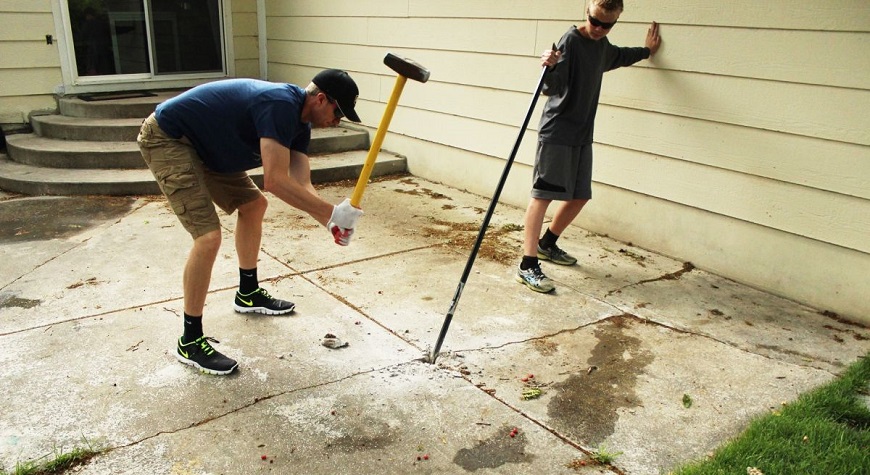
Thick concrete is harder to break. Reinforced concrete has metal bars inside. These bars make breaking more difficult. Use a heavy hammer or sledgehammer for thick concrete. Focus your hits on one spot to create a crack.
For reinforced concrete, use a chisel to expose the metal bars. Cut or bend the bars with a metal cutter or pliers. Break the concrete around the bars slowly. This prevents damage to your tools.
Wear sturdy gloves and protective gear. Thick concrete takes more strength and care. Break it in small sections for better control and safety.
Managing Debris And Cleanup
Breaking concrete with hand tools creates a lot of debris. Managing this debris is important for safety and efficiency. Proper cleanup keeps your work area clear and prevents accidents. It also helps prepare the site for the next steps.
Collecting Broken Pieces
Start by gathering large chunks of concrete first. Use a sturdy broom or shovel to collect smaller pieces. Place all debris into a strong container or wheelbarrow. Clear the area regularly to avoid clutter. Keep tools handy to make cleanup faster. Wear gloves to protect your hands from sharp edges.
Disposal And Recycling Options
Check local rules for disposing concrete debris. Many areas allow concrete to be recycled. Recycling saves space in landfills and helps the environment. Take debris to a recycling center if possible. Some centers accept concrete for crushing and reuse. If recycling is not an option, dispose of debris at a landfill. Always follow safety and environmental guidelines during disposal.
Tips For Efficiency And Safety
Breaking concrete with hand tools can be hard work. Efficiency and safety make the job easier and faster. Follow these tips to protect yourself and get better results.
Maintaining Tools
Keep your tools clean and sharp. Dull tools make the work slower and more dangerous. Check for cracks or damage before each use. Use a wire brush to remove dirt and rust. Store tools in a dry place to stop rusting. Tighten loose handles or bolts. Well-maintained tools last longer and work better.
Avoiding Common Mistakes
Hold your tools firmly to avoid slips. Strike the concrete at a steady angle. Do not hit too hard or too soft. Break the concrete in small sections. Wear gloves to protect your hands. Use eye protection to stop flying debris. Take breaks to avoid tiredness. Rushing can cause accidents and poor results.

Credit: www.reddit.com
Frequently Asked Questions
What Are The Best Hand Tools To Break Concrete?
The best hand tools include a sledgehammer, cold chisel, and masonry hammer. These tools provide control and precision. They work well for small to medium concrete breaking tasks. Always wear safety gear when using them.
How Do You Safely Break Concrete By Hand?
Wear safety goggles, gloves, and sturdy boots. Mark the breaking line clearly. Use a sledgehammer to strike along the marked line. Take breaks to avoid fatigue. Follow proper technique to minimize injury risks.
Can Hand Tools Break Thick Concrete Slabs?
Yes, hand tools can break thick slabs but require more effort. Start by scoring the concrete with a chisel. Use a heavy sledgehammer to break along the scored lines. Patience and strength are key to success.
How Long Does It Take To Break Concrete Manually?
Breaking concrete manually can take from a few minutes to several hours. The time depends on slab thickness, tool type, and user experience. Small slabs break faster, while thick concrete requires more time and effort.
Conclusion
Breaking concrete with hand tools takes patience and the right method. Use simple tools like a hammer and chisel carefully. Work slowly to avoid injury and damage. Small, steady hits help crack the concrete better. Always wear safety gear for protection.
With practice, the task becomes easier and safer. Remember, proper technique saves time and effort. Keep safety first and take breaks when needed. This approach helps you complete your project well.