


Looking to buy a router tool but not sure where to start? Choosing the right router can feel overwhelming with so many options available.
But don’t worry—you’re about to discover simple, clear steps that will help you pick the perfect tool for your needs. Whether you’re a beginner or experienced, this guide will save you time, money, and frustration. Keep reading to find out exactly what to look for and how to make a confident decision on your next router tool purchase.

Credit: www.youtube.com
Types Of Router Tools
Router tools help shape wood by cutting edges and patterns. There are several types of routers to choose from. Knowing each type helps you pick the right one for your project.
This guide explains fixed base routers, plunge routers, and combo kits. Each has unique features and uses.
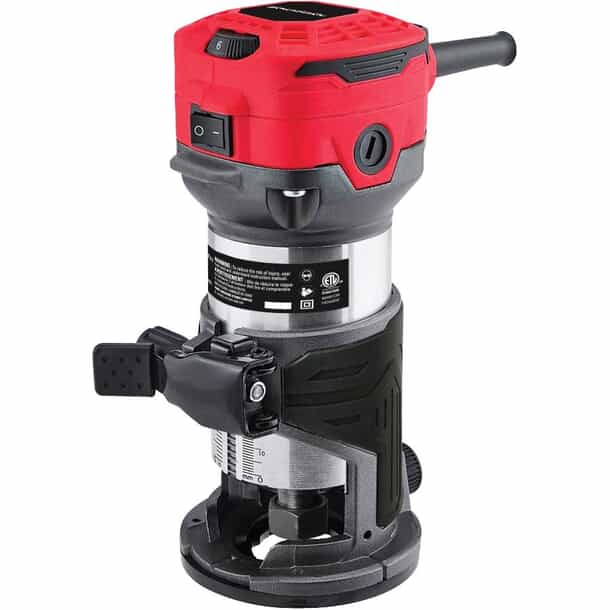
Fixed Base Routers
Fixed base routers have a set cutting depth. They are easy to control and good for straight cuts. These routers work well for edge trimming and slot cutting.
They are best for tasks where the cutting depth does not need to change during the cut.
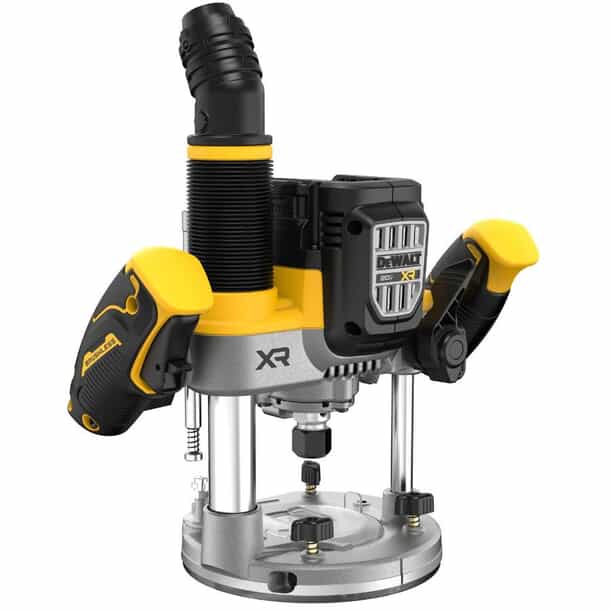
Plunge Routers
Plunge routers let you lower the bit into the wood while the router is on. They allow cutting in the middle of the material. This makes them ideal for making grooves and mortises.
- Adjust cutting depth while working
- Good for complex shapes and deep cuts
- Can start cuts inside the workpiece
Combo Kits
Combo kits include both fixed base and plunge routers. They offer more versatility for different projects. Buying a combo kit can save money and space.
| Feature | Fixed Base Router | Plunge Router | Combo Kit |
| Cutting Depth | Fixed | Adjustable during cut | Both types included |
| Best Use | Edge trimming, straight cuts | Grooves, mortises, complex cuts | Varied woodworking tasks |
| Cost | Usually less expensive | More expensive | Mid-range, value pack |
Key Features To Consider
Choosing the right router tool helps you work better and faster. Look at the main features before buying.
Focus on settings, design, compatibility, and dust control. These parts affect your comfort and results.
Power And Speed Settings
Check the motor power. Strong motors handle tough wood easily. Speed control lets you adjust the router for different materials.
- Higher power means better cutting on hard wood.
- Variable speed helps avoid burning the wood.
- Look for models with smooth speed adjustment.
Ergonomics And Design
Comfort matters for long work. Choose a router with grips that fit your hands. A well-balanced tool reduces fatigue.
Compact design helps reach tight spots. Some routers have soft handles to reduce vibration.
Collet Size And Compatibility
The collet holds the router bit. Common sizes are 1/4 inch and 1/2 inch. Bigger collets fit stronger bits for heavy work.
| Collet Size | Bit Diameter | Use Case |
| 1/4 inch | Up to 1/4 inch | Light to medium tasks |
| 1/2 inch | Up to 1/2 inch | Heavy-duty and precise work |
Dust Collection Options
Dust can block your view and cause health issues. Choose routers with good dust collection features.
- Built-in dust ports for vacuum attachment
- Dust shields that keep particles away
- Models with bags for small jobs
Choosing The Right Router Bits
Router bits shape wood and other materials. Picking the right bits improves your work quality.
Different bits suit various tasks. Knowing their types helps you buy the best ones.
Bit Materials And Coatings
Router bits come in many materials. Each material offers benefits and drawbacks.
- High-Speed Steel (HSS):Affordable but dulls faster than others.
- Carbide-Tipped:Lasts longer and stays sharp on hard woods.
- Solid Carbide:Very durable but expensive and brittle.
- Coatings:Some bits have coatings like titanium for less friction and heat.
Common Bit Profiles
Bits come in many shapes, each made for different cuts and effects.
| Bit Profile | Description | Use |
|---|---|---|
| Straight Bit | Cuts straight channels or dados | Grooves, mortises |
| Round-Over Bit | Rounds sharp edges | Soft edges on furniture |
| Flush-Trim Bit | Trims edges flush with a template | Copying shapes |
| Chamfer Bit | Bevels edges at an angle | Decorative edges |
| V-Groove Bit | Cuts V-shaped grooves | Decorative lines and lettering |
Maintenance And Storage
Keep bits clean and sharp for best results. Store bits safely to avoid damage.
- Clean bits after use to remove resin and dust.
- Sharpen dull bits or replace them if too worn.
- Store bits in a case or rack to keep edges safe.
- Handle bits carefully to avoid chipping the tips.
Credit: www.homehardware.ca
Budgeting For Your Router Tool
Buying a router tool means thinking about your budget first. Routers come in many prices and types.
Choose a router that fits your needs and how much money you want to spend.
Entry-level Options
Entry-level routers cost less and work well for simple projects. They are good for beginners or occasional use.
These models usually have fewer features but still do a good job on basic tasks.
- Price range: $50 to $100
- Basic speed settings
- Simple controls
- Lightweight and easy to handle
Mid-range Models
Mid-range routers offer better power and more features. They suit hobbyists and regular users.
You get more control over speed and depth, which helps with detailed work.
- Price range: $100 to $250
- Variable speed controls
- Multiple base options
- Better motor power
Professional-grade Tools
Professional routers are made for heavy use and tough jobs. They have strong motors and advanced features.
These tools cost more but last longer and offer precision for expert work.
- Price range: $250 and above
- High motor power
- Durable build quality
- Advanced speed and depth controls
- Additional safety features
Safety Tips For Using Routers
Using a router tool requires care to avoid accidents. Safety measures protect you and your work. This guide covers key safety tips.
Following these tips helps you use your router safely and keeps the tool in good condition.
Personal Protective Equipment
Wear protective gear to guard against flying debris and dust. This lowers the risk of injury while working with routers.
- Safety glasses or goggles to protect eyes
- Hearing protection to reduce noise damage
- Dust mask to avoid inhaling wood particles
- Gloves to protect hands from cuts and splinters
Proper Handling Techniques
Hold the router firmly and keep both hands on the tool. Always work on a stable surface to prevent slips.
- Check that the router bit is securely tightened
- Start the router before touching the workpiece
- Move the router against the bit’s rotation direction
- Keep your fingers away from the spinning bit
- Turn off and unplug the router before changing bits
Routine Maintenance
Regular maintenance keeps your router working safely and efficiently. Clean and inspect your tool often.
| Maintenance Task | Frequency | Purpose |
|---|---|---|
| Clean dust and debris | After each use | Prevents clogging and overheating |
| Inspect power cord | Monthly | Avoids electrical hazards |
| Lubricate moving parts | Every 3 months | Ensures smooth operation |
| Check router bits | Before each use | Maintains cutting quality and safety |
Credit: www.homehardware.ca
Where To Buy Router Tools
Buying a router tool can be easy if you know where to look. You need to find a place that offers good quality and fair prices.
There are several options available, from online stores to local shops. Here’s a simple guide to help you find the right place to buy a router tool.
Online Retailers
Online retailers are a convenient option for buying router tools. They offer a wide selection and easy price comparison.
- Amazon: Known for its vast selection and user reviews.
- eBay: Offers new and used router tools at competitive prices.
- Home Depot: An online store with trusted brands and delivery options.
Local Hardware Stores
Local hardware stores provide personal service and immediate purchase. You can see and touch the tools before buying.
These stores often have knowledgeable staff to help with your decision. Supporting local businesses also benefits your community.
Specialty Woodworking Shops
Specialty woodworking shops focus on tools for wood projects. They offer high-quality options for serious woodworkers.
- Expert advice is often available from staff who know the tools well.
- These shops may carry unique or hard-to-find router tools.
Frequently Asked Questions
What Features Should I Look For In A Router Tool?
Look for variable speed control, comfortable grip, and a powerful motor. Also, consider ease of bit changes and durability for long-term use.
How Much Should I Budget For A Quality Router Tool?
A good router tool typically costs between $100 and $250. Higher-end models offer advanced features but basic models suffice for beginners.
Which Router Type Is Best For Woodworking Projects?
A plunge router is ideal for versatile woodworking, while a fixed-base router suits edge work. Choose based on your project needs.
Can I Use A Router Tool For Diy Home Repairs?
Yes, router tools are great for shaping edges, cutting grooves, and decorative work in DIY home projects.
Conclusion
Choosing the right router tool takes some thought and care. Focus on the type, size, and power you need. Check if the tool feels comfortable in your hands. Think about your budget and how often you will use it. Remember, a good router tool makes your work easier and cleaner.
Take your time to compare options before deciding. With the right tool, your projects will look better and finish faster. Keep these tips in mind to make a smart choice.