

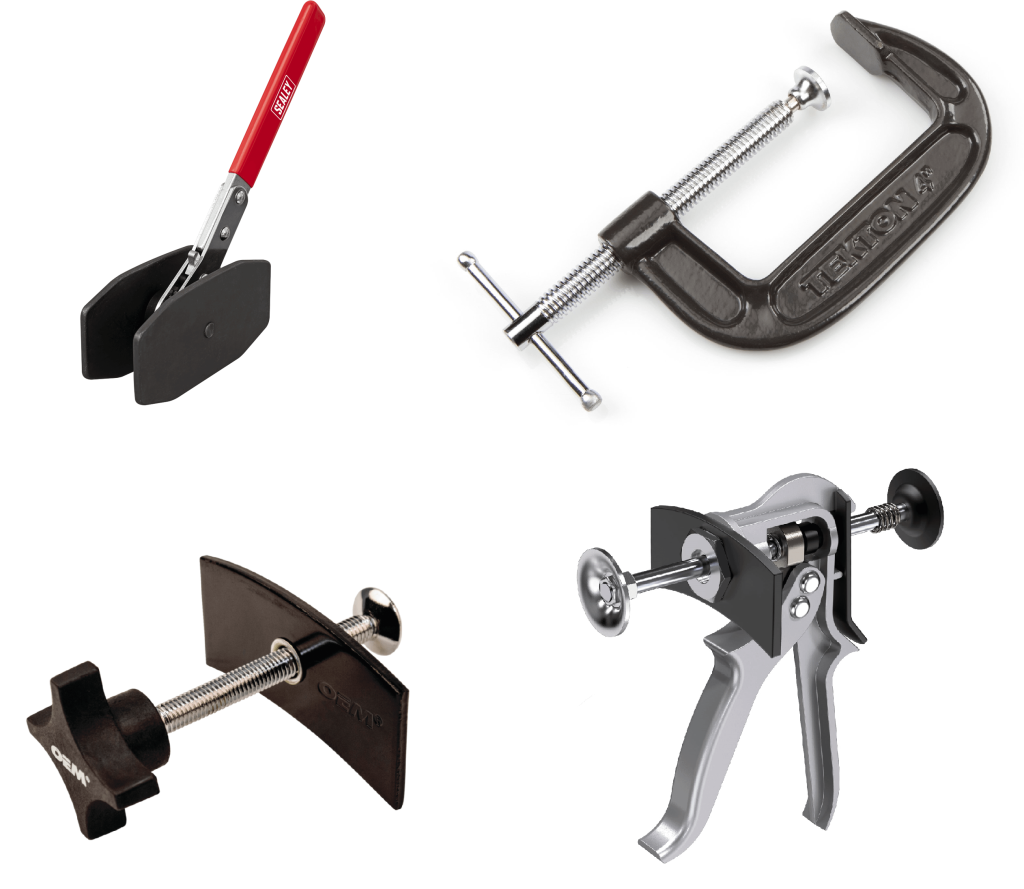
If you’re working on your brakes and need to compress a dual piston caliper, you might think you need special tools. But what if you don’t have any?
Don’t worry—there’s a simple way to do it without any fancy equipment. In this guide, you’ll discover easy steps that save you time and money while keeping your brakes in great shape. Keep reading, and you’ll learn how to handle your calipers like a pro, even if you’re new to car maintenance.
Why Compress Dual Piston Calipers
Dual piston calipers help your vehicle stop safely by applying pressure to brake pads. Compressing them is needed for brake maintenance and repair.
This process pushes the pistons back into the caliper body. It creates space for new brake pads and makes sure the brakes work well.
Purpose Of Compression
Compressing dual piston calipers serves several key purposes in brake service. It resets the pistons to their starting position.
- Allows new brake pads to fit properly.
- Prevents brake fluid leaks by sealing pistons.
- Ensures even brake pad wear.
- Makes brake calipers easier to reinstall.
When To Compress Calipers
Knowing when to compress dual piston calipers is important for safe brake work. You should do this in these situations.
| Situation | Reason |
| Replacing Brake Pads | New pads need space to fit |
| Changing Brake Rotors | Calipers move to fit new rotor size |
| Brake Fluid Maintenance | Reset pistons after fluid changes |
| Fixing Brake Caliper Sticking | Releases stuck pistons |

Credit: www.amazon.com
Safety Precautions
Compressing a dual piston caliper without tools needs care. Safety is important to avoid injury and damage.
This guide covers key safety steps before starting the process.
Protective Gear
Wear the right gear to protect your hands and eyes. Brake fluid and dust can harm skin and eyes.
- Use safety goggles to shield your eyes
- Wear gloves to keep your hands clean and safe
- Use a dust mask to avoid breathing brake dust
Workspace Preparation
Prepare a clean and stable workspace. This helps you work safely and avoid accidents.
| Preparation Step | Reason |
| Clear the area of clutter | Prevent tripping or knocking over parts |
| Use a flat, sturdy surface | Keep the caliper steady while compressing |
| Keep brake fluid and rags nearby | Clean spills quickly to avoid slips |
Materials Needed
Compressing a dual piston caliper without special tools is possible. You only need some common materials around the house. These materials help push the pistons back safely.
Using the right items makes the job easier and protects the caliper from damage. Read on to find what you need.
Household Items
You can use several household items to compress the caliper pistons. These items are easy to find and safe to use.
- Old wooden block or thick piece of wood
- Large flat screwdriver or a sturdy flat tool
- Rag or cloth to protect the caliper surface
- Gloves to keep your hands clean
- Rubber mallet or hammer with a cloth cover
These items help you press the pistons evenly. The cloth or rag protects the caliper from scratches.
Optional Supplies
Some optional supplies make the task safer and more comfortable. They are not required but can help.
- Brake fluid to clean the pistons before compressing
- Plastic zip ties to hold parts steady
- Small container to catch any leaking brake fluid
- Protective eyewear for safety
- Sandpaper for smoothing rough wood edges
These supplies prevent damage and keep your work area clean. They add safety and control.

Credit: www.reddit.com
Step-by-step Compression Process
Compressing a dual piston caliper without a tool can be done carefully. This guide explains the process in simple steps.
Follow these instructions to compress the caliper pistons evenly and safely.
Loosening The Caliper
Start by loosening the caliper bolts to allow movement. Use a wrench to turn the bolts counterclockwise.
- Place the vehicle on a flat surface and secure it.
- Remove the wheel to access the caliper.
- Loosen but do not fully remove the caliper bolts.
- Ensure the caliper can move freely after loosening.
Using Leverage Techniques
Use simple leverage tools to push the pistons back. This helps avoid damage and makes the process easier.
Common leverage methods include:
- Using a flat screwdriver to gently pry between the pistons.
- Placing a wooden block and pressing evenly.
- Applying steady pressure with a C-clamp or similar tool.
Compressing Pistons Evenly
Compress both pistons evenly to avoid brake damage. Push each piston gradually and check alignment.
| Action | Description | Tip |
| Apply pressure | Push one piston slightly inward | Use steady force, not sudden moves |
| Switch pistons | Push the other piston the same amount | Keep pressure balanced |
| Repeat | Alternate between pistons until fully compressed | Check for even piston position |
Tips For Effective Diy Compression
Compressing a dual piston caliper without a tool can be tricky. You need care and patience to do it safely.
This guide gives simple tips to help you compress the caliper by hand without causing damage.
Avoiding Damage
Be gentle when pressing the pistons back. Too much force can break the caliper or pistons.
Use a soft cloth or old brake pad between your hand and the piston. This protects the parts from scratches.
- Press evenly on both pistons to avoid bending
- Do not use metal tools to push pistons directly
- Check for leaks or cracks before starting
Ensuring Proper Alignment
Keep the pistons straight as you compress them. Twisting can cause damage or misalignment.
Make sure the caliper slides freely on its guide pins. This helps the pistons move smoothly back into place.
- Push pistons slowly and evenly at the same time
- Check caliper position after compression
- Lubricate guide pins to help smooth movement

Credit: www.youtube.com
Troubleshooting Common Issues
Compressing dual piston calipers can be tricky without tools. Understanding common issues helps you tackle the task safely.
This guide covers problems you might face, like stuck pistons and uneven compression. Learn how to handle them effectively.
Stuck Pistons
Stuck pistons can make caliper compression difficult. Dirt and rust often cause this issue.
- Clean the area around the pistons with a cloth.
- Apply a small amount of brake cleaner to loosen debris.
- Gently push the pistons back with your hands.
Uneven Compression
Uneven compression happens when pistons do not retract equally. This can affect brake performance.
Check for debris or corrosion on both pistons. Ensure both sides are clean before attempting compression. Use a mirror to inspect hard-to-see areas.
| Issue | Cause | Solution |
| Stuck Pistons | Dirt or rust | Clean and use brake cleaner |
| Uneven Compression | Corrosion | Inspect and clean both sides |
Frequently Asked Questions
How To Compress Dual Piston Caliper Without Tools?
You can compress dual piston calipers by using simple household items like a C-clamp or a large screwdriver. Apply gentle, even pressure to push the pistons back into the caliper housing, ensuring the brake fluid reservoir cap is open to avoid pressure buildup.
Is It Safe To Compress Calipers Without Specialized Tools?
Yes, it is safe if done carefully and slowly. Avoid forcing the pistons, which can damage the caliper or brake system. Always ensure the vehicle is secure and the brake fluid reservoir is monitored to prevent overflow during compression.
Can I Use A Screwdriver To Compress Caliper Pistons?
A flathead screwdriver can be used cautiously to push pistons back. Place a cloth to protect the piston surface and apply steady pressure. However, this method requires care to avoid scratching or damaging the piston seals or caliper.
Why Compressing Dual Piston Calipers Is Necessary?
Compressing dual piston calipers creates space for new brake pads. It retracts the pistons to prevent brake drag and ensures proper pad fitment. This step is vital for maintaining braking efficiency and prolonging brake system life.
Conclusion
Compressing a dual piston caliper without a tool is easier than it seems. Use simple items around you to push the pistons back carefully. Take your time and avoid rushing to prevent damage. This method saves money and helps in urgent situations.
Practice makes perfect, so try it slowly first. Now, you can maintain your brakes even without special tools. Keep safety as your top priority at all times.