


Are you looking for a simple and precise way to cut wood for your next project? Using a Dremel tool might be the perfect solution for you.
It’s compact, easy to handle, and can make detailed cuts that larger tools struggle with. Whether you’re a beginner or have some experience, learning how to cut wood with a Dremel tool will open up new possibilities for your DIY projects.
Keep reading, and you’ll discover step-by-step tips to make clean cuts safely and efficiently—transforming your woodworking skills starting today.

Credit: www.youtube.com
Choosing The Right Dremel Tool
Cutting wood with a Dremel tool is easy if you pick the right one. Different Dremel tools fit different tasks and wood types.
Selecting the correct tool helps you cut cleanly and safely. It also saves time and effort.
Types Of Dremel Tools
Dremel offers many tools for cutting wood. The most common are rotary tools, oscillating tools, and multi-tools.
Rotary tools spin fast and work well for detailed cuts. Oscillating tools move side to side for straight, rough cuts. Multi-tools combine features for more jobs.
- Rotary Tools:Small, handheld, good for shaping and carving.
- Oscillating Tools:Best for straight cuts and tight spaces.
- Multi-Tools:Versatile, can cut, sand, and scrape.
Essential Accessories For Cutting Wood
Using the right accessories makes wood cutting easier. Cutting wheels and sanding drums are key parts.
Cutting wheels come in different types. Some are thin for precise cuts. Others are thicker for heavy cuts. Sanding drums smooth rough edges after cutting.
- Cutting Wheels:Thin discs for fine cuts.
- Multipurpose Blades:For tougher wood and fast cuts.
- Sanding Drums:Smooth edges after cutting.
- Collets and Mandrels:Hold accessories securely.
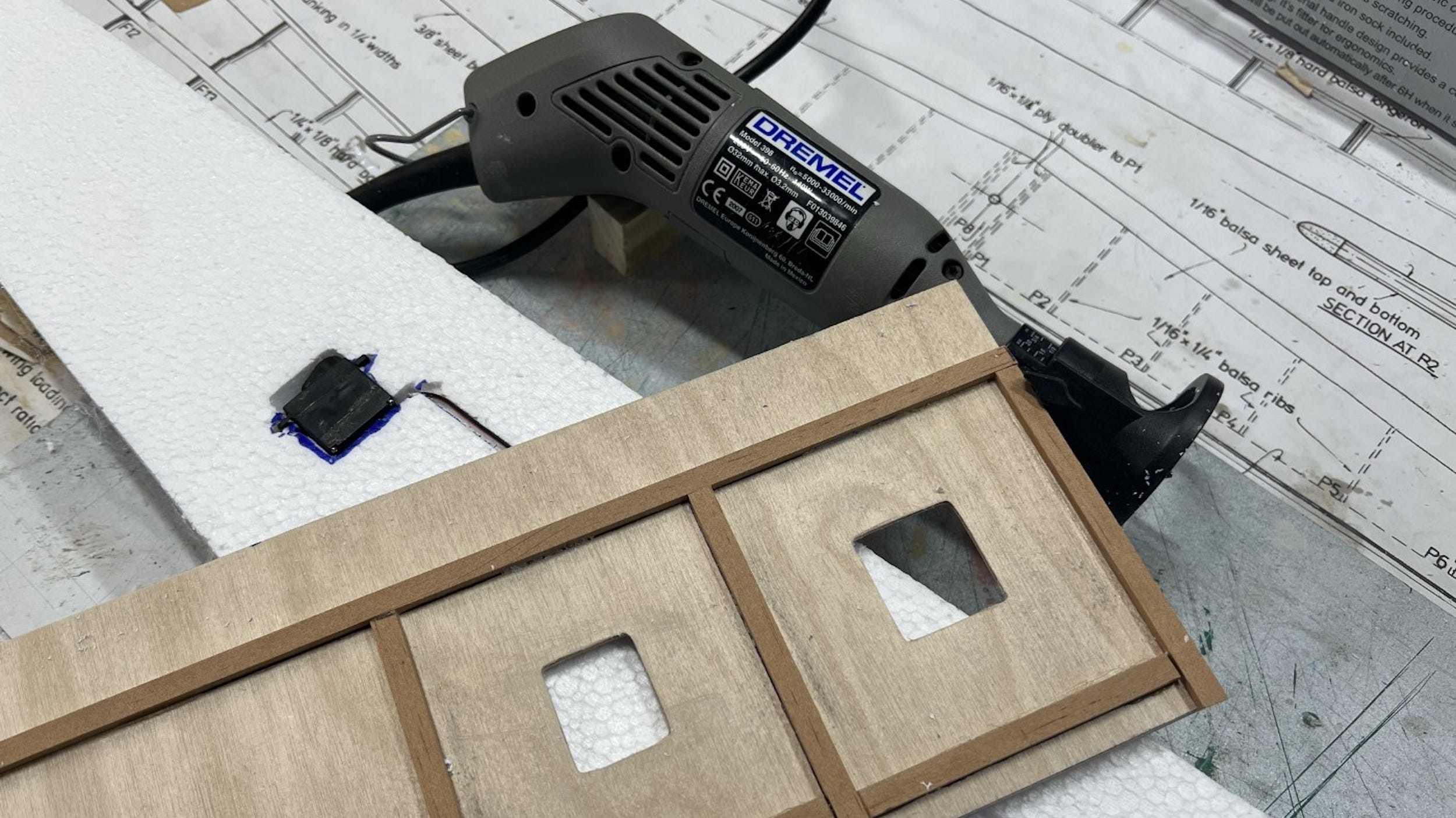
Credit: medium.com
Preparing Your Workspace
Before cutting wood with a Dremel tool, you must prepare your workspace. A clean and organized area helps you work safely and efficiently.
Taking time to set up the right environment reduces accidents. It also makes your cutting process smoother.
Safety Gear And Precautions
Wear safety gear to protect yourself from dust and flying wood pieces. Safety glasses and a dust mask are important.
Use ear protection if the tool sounds loud. Keep your hands away from the cutting bit at all times.
- Safety glasses to protect your eyes
- Dust mask to avoid breathing dust
- Ear plugs or earmuffs for noise protection
- Gloves to protect your hands (optional)
- Work in a well-ventilated area
Setting Up A Stable Work Surface
Choose a sturdy table or workbench to hold your wood. A stable surface prevents the wood from moving while you cut.
Use clamps to secure the wood tightly. This keeps your hands free and improves cutting accuracy.
- Pick a flat, strong work surface
- Clear the area of clutter
- Use clamps to hold wood firmly
- Make sure the surface is well-lit
Selecting The Proper Cutting Bits
Cutting wood with a Dremel tool needs the right cutting bits. Using proper bits helps you cut smoothly and safely.
Choosing the right bit depends on the wood type and the cut you want. This guide explains how to pick and use bits.
Wood Cutting Bits Explained
There are different bits made for cutting wood with a Dremel tool. Each bit has a shape and purpose.
Some bits cut fast, while others give smooth edges. Knowing each bit helps you pick the best one for your work.
- High-Speed Cutter Bits:These spin fast and cut through soft wood easily.
- Carbide Cutting Bits:Made of tough material, good for hard wood and detailed cuts.
- Cross Cut Saw Bits:Small saw blades that cut straight lines quickly.
- Router Bits:Used for shaping edges and making grooves in wood.
- Diamond Wheel Bits:Best for fine cuts and detailed designs on wood.
How To Change And Secure Bits
Changing bits on a Dremel tool is easy but must be done carefully. This keeps the tool safe and works well.
Always unplug the tool before changing bits. Use the correct wrench or tool to loosen and tighten the bit.
- Hold the shaft lock button to stop the bit from turning.
- Use the wrench to loosen the collet nut that holds the bit.
- Remove the old bit carefully from the collet.
- Insert the new bit fully into the collet.
- Tighten the collet nut securely but do not over-tighten.
- Check the bit is firm before turning the tool on.
Techniques For Precise Wood Cutting
Cutting wood with a Dremel tool needs care and skill. Using the right techniques helps you get clean, accurate cuts.
This guide explains how to mark, control speed, and cut both straight and curved lines with a Dremel tool.
Marking And Measuring Your Cut
Start by measuring your wood carefully. Use a ruler or measuring tape for exact lines. Mark the cut line clearly with a pencil.
Double-check your measurements before cutting. Clear marks help you follow the line without mistakes.
Controlling Speed And Pressure
Set the Dremel tool to a medium speed for most wood types. High speed can burn the wood or cause rough edges.
Apply gentle, steady pressure. Pressing too hard can break the bit or damage the wood surface.
- Use medium speed for soft or hardwood
- Keep steady, light pressure
- Let the tool do the work, avoid forcing it
Making Straight Cuts
Hold the Dremel tool firmly with both hands. Follow your marked line slowly to keep the cut straight.
Use a guide like a straight edge or clamp a ruler to help the tool move in a straight path.
- Secure the wood before cutting
- Use both hands for control
- Follow the guide or ruler closely
Executing Curved Cuts
For curved cuts, move the Dremel tool slowly and carefully along the curve. Keep your hand relaxed to follow the shape.
Practice on scrap wood to get comfortable with turning the tool smoothly without rushing the cut.
- Work slowly along curves
- Keep a steady hand and relaxed grip
- Practice on scrap wood before final cuts
Handling Common Challenges
Cutting wood with a Dremel tool can be tricky. Some challenges can make the job harder or damage the wood.
Knowing how to handle these problems helps you get clean cuts and work safely.
Avoiding Splintering
Splintering happens when the wood chips or cracks along the cut line. It makes the edge rough and uneven.
To avoid splintering, use a sharp cutting bit and cut slowly. Support the wood firmly to stop vibrations.
- Use painter’s tape on the cut line to keep the wood fibers intact
- Cut on the side that will be visible to reduce rough edges
- Make shallow passes instead of one deep cut
- Keep the tool steady and avoid pushing too hard
Dealing With Hard Or Thick Wood
Hard or thick wood can slow down your cutting and wear out your tool bits quickly. It needs more care and patience.
Use the right cutting bit made for wood. Cut in small sections and take breaks to avoid overheating the tool.
- Choose bits with carbide or diamond tips for tough wood
- Work slowly and do multiple shallow cuts instead of one deep cut
- Keep the tool cool by pausing or using compressed air
- Secure the wood firmly to stop movement during cutting

Credit: www.youtube.com
Maintaining Your Dremel Tool
Keeping your Dremel tool in good condition ensures it works well. Regular maintenance helps avoid problems and extend its life.
Learn how to clean your tool after use and replace worn parts when needed. This guide will help you maintain your Dremel tool effectively.
Cleaning After Use
It’s important to clean your Dremel tool after each use. This prevents dust and debris from affecting its performance.
- Unplug the tool before cleaning.
- Use a soft brush to remove dust.
- Wipe the surface with a damp cloth.
- Check air vents for blockages.
Replacing Worn Parts
Over time, parts of your Dremel tool may wear out. Replacing them keeps the tool working safely and efficiently.
| Part | Replacement Frequency |
| Carbon Brushes | Every 50 hours of use |
| Collet Nut | When it shows damage |
| Motor Bearings | Every 100 hours of use |
Frequently Asked Questions
What Type Of Wood Can I Cut With A Dremel Tool?
You can cut softwoods and thin hardwoods using a Dremel tool. Avoid thick, dense hardwoods for best results. The tool works well on balsa, pine, and plywood. Use proper bits designed for wood cutting for cleaner cuts. Always check the tool’s speed settings.
Which Dremel Bit Is Best For Cutting Wood?
Use a high-speed rotary cutting bit or a wood carving bit. Spiral cutting bits and saw blade attachments also work well. Choose bits designed specifically for wood for smooth, precise cuts. Avoid using metal cutting bits to prevent damage. Always wear safety gear.
How Do I Ensure Clean Cuts With A Dremel Tool?
Secure the wood firmly before cutting to avoid movement. Use slow, steady pressure and let the bit do the work. Keep the Dremel tool at the correct speed for wood cutting. Make multiple shallow passes instead of one deep cut.
Clean and sharpen bits regularly.
Can A Dremel Tool Replace A Traditional Saw For Wood?
A Dremel tool is ideal for small, detailed cuts and shaping. It’s not suitable for large or thick wood pieces. Use a traditional saw for bigger cuts and rough work. The Dremel complements saws for precision and intricate designs. Choose the right tool for the job.
Conclusion
Cutting wood with a Dremel tool is simple and effective. Choose the right blade for your project. Always wear safety gear to protect yourself. Take your time and work in small sections. Practice makes your cuts cleaner and more precise.
With patience, you can create neat and smooth edges. A Dremel tool is handy for small wood tasks. Enjoy your woodworking and keep improving your skills.