

If you’ve ever needed to disconnect a fuel line but didn’t have the right tool on hand, you know how frustrating it can be. You might worry about damaging your vehicle or making a mess.
But what if you could do it safely and easily, using just things you already have? In this guide, you’ll discover simple, practical steps to disconnect your fuel line without any special tools. Keep reading, and you’ll save time, avoid stress, and get the job done like a pro.
Fuel Line Basics
Fuel lines carry gasoline or diesel from the tank to the engine. They must be strong and leak-free for safety.
Knowing about fuel lines helps you disconnect them without special tools. This guide covers types and connections.
Types Of Fuel Lines
Fuel lines come in different materials and sizes. Each type fits certain vehicles and fuel systems.
- Rubber Fuel Lines:Flexible and common in older cars. They can wear out over time.
- Steel Fuel Lines:Rigid and durable. Often used in heavy-duty vehicles.
- Nylon Fuel Lines:Lightweight and resistant to chemicals. Used in newer models.
- PTFE Fuel Lines:Teflon-coated for high heat and pressure resistance.
Common Connection Methods
Fuel lines connect to the engine and tank with different fittings. Knowing these helps you disconnect without tools.
| Connection Type | Description | How to Disconnect Without Tool |
|---|---|---|
| Barbed Fittings | Fuel line slides over a barb and is held by a clamp. | Slide clamp back by hand, then pull the line off. |
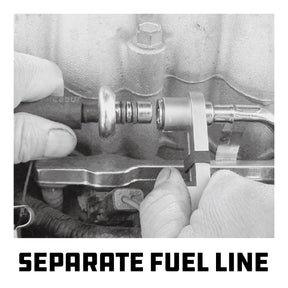
| Quick-Connect Fittings | Plastic or metal clips lock the line in place. | Press the tabs or squeeze the connector, then pull line out. |
| Threaded Fittings | Fuel line screws into a fitting. | Usually needs a wrench, but sometimes can twist off by hand if loose. |
| Compression Fittings | Use a ring to seal around the line. | Push the ring away from the fitting and pull the line out carefully. |

Credit: www.reddit.com
Safety Precautions
Disconnecting a fuel line without a tool can be risky. Fuel is flammable and can cause injury.
Always take safety steps before starting work to protect yourself and others around you.
Protective Gear
Wear protective gear to keep safe from fuel splashes and fumes. Use gloves made for handling chemicals.
Safety glasses protect your eyes from fuel spray. A long-sleeved shirt helps protect your skin.
- Chemical-resistant gloves
- Safety glasses or goggles
- Long-sleeved shirt and pants
- Closed-toe shoes
Preventing Fuel Leaks
Fuel leaks can cause fires or damage. Work in a well-ventilated area to avoid fumes.
Place a container or cloth under the fuel line to catch any spills. Avoid sparks and open flames nearby.
- Work outdoors or in a ventilated space
- Use a drip pan or absorbent cloth
- Keep a fire extinguisher nearby
- Avoid smoking or sparks near the work area
Preparation Steps
Disconnecting a fuel line without a tool needs careful preparation. You must take safety and cleanliness seriously.
These steps help you avoid fuel spills and damage to the fuel system parts.
Relieving Fuel Pressure
Fuel lines stay under pressure, so releasing it is key. This prevents fuel from spraying out when you disconnect the line.
- Locate the fuel pump fuse in the fuse box and remove it.
- Start the engine and let it run until it stalls to use up the remaining fuel pressure.
- Turn off the ignition and disconnect the negative battery cable to avoid sparks.
Cleaning The Area
Cleaning the fuel line connection reduces dirt entry and makes the job safer.
| Cleaning Task | Reason |
|---|---|
| Use a clean rag to wipe around the fuel line | Removes dirt and grease from the surface |
| Spray some brake cleaner or carburetor cleaner | Dissolves tough grime and dries quickly |
| Check for cracks or damage near the fuel line | Ensures safe disconnection and prevents leaks |
Diy Hacks To Disconnect
Disconnecting a fuel line without a special tool can be tricky. With some simple tricks, you can do it safely at home.
These hacks use common items and easy techniques to help you remove the fuel line quickly.
Using Pliers Alternatives
If you don’t have fuel line pliers, you can try other tools. Needle-nose pliers or locking pliers work well for gripping the connector.
Wrap a cloth around the line to protect it from damage while you squeeze and pull the connector off.
- Needle-nose pliers for small connectors
- Locking pliers for a strong grip
- Use a cloth to avoid scratches
Twisting And Pulling Techniques
Gently twist the fuel line connector back and forth. This loosens the seal and makes it easier to pull off.
Pull the line straight out while twisting. Avoid pulling at an angle to prevent damage.
- Twist connector gently left and right
- Pull straight out with steady force
- Use both hands for better control
Leveraging Household Items
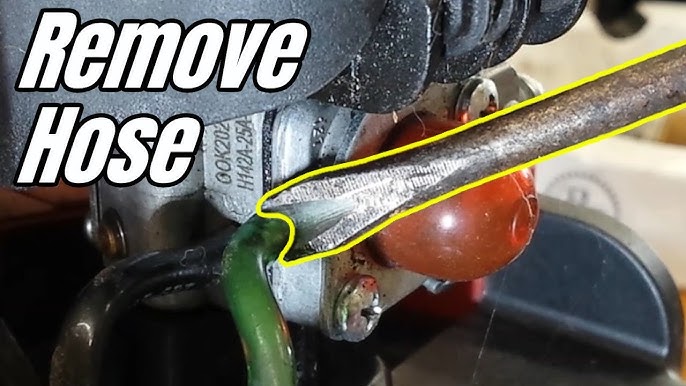
Household items like screwdrivers and zip ties can help disconnect fuel lines without special tools. A flat-head screwdriver can pry clips gently.
Use zip ties to hold the line or keep parts steady while you work. A small piece of wire can also help release stubborn clips.
- Flat-head screwdriver to pry clips
- Zip ties to secure or hold parts
- Wire to release tight clips
Troubleshooting Stubborn Lines
Fuel lines can get stuck or hard to disconnect without the right tools. Dirt, rust, or tight fittings cause this problem. You can still try to disconnect the line carefully.
This guide helps you loosen stubborn fuel lines. Use simple tricks to avoid damage and keep the line safe.
Applying Lubricants
Lubricants help loosen the stuck parts by reducing friction. Spray or apply a small amount around the connection. Let it sit for a few minutes to work well.
- Use penetrating oil or WD-40 for best results
- Avoid overuse to prevent fuel contamination
- Reapply if the line still feels stuck
- Wipe off excess lubricant before disconnecting
Using Heat Carefully
Heat can expand metal parts and loosen tight connections. Use a heat source like a hairdryer or heat gun on low setting. Keep it moving to avoid damage.
Do not apply heat directly to plastic or rubber parts. Heat only the metal fitting to avoid melting or warping. Use caution and wear gloves for safety.
Credit: www.powerbuilt.com
Post-disconnection Tips
After disconnecting a fuel line, it’s important to ensure everything is in good condition. Proper inspection and reconnection are crucial for vehicle safety.
This guide will help you inspect for damage and reconnect the fuel line without any tools.
Inspecting For Damage
Look closely at the fuel line for any cracks or signs of wear. Damage can lead to leaks and safety hazards.
Check the connectors and surrounding areas. Make sure everything looks intact and undamaged.
- Examine the fuel line for cracks
- Inspect connectors for wear
- Check for any fuel leaks
- Ensure clamps are not loose
Reconnecting Without Tools
Align the fuel line with the connector. Push them together until you hear a click.
Double-check that the connection is secure. A firm connection prevents leaks and ensures proper fuel flow.
- Align the fuel line carefully
- Push until you hear a click
- Check the connection is tight
- Ensure no fuel is leaking
Credit: www.fullsizebronco.com
Frequently Asked Questions
How Can I Disconnect A Fuel Line Without Special Tools?
You can disconnect a fuel line by carefully loosening the connectors with pliers. Use a cloth to catch any fuel spills. Gently twist and pull the line apart to avoid damage. Always relieve fuel system pressure before starting.
Is It Safe To Disconnect Fuel Lines Without Proper Tools?
Disconnecting fuel lines without tools is risky. Take safety precautions like wearing gloves and eye protection. Work in a well-ventilated area and avoid sparks. Relieve fuel pressure to prevent fuel spray. Proceed carefully to avoid damaging fuel system components.
What Are Common Alternatives To Fuel Line Disconnect Tools?
Common alternatives include using adjustable pliers, screwdrivers, or a small pick. These help release clips or connectors gently. Avoid forcing the line to prevent damage. Using a clean cloth can help grip slippery surfaces during disconnection.
How Do I Prevent Fuel Leaks When Disconnecting Lines?
To prevent leaks, relieve fuel system pressure first. Use rags or containers to catch drips. Work slowly and avoid twisting the line excessively. Check connectors for damage before reassembly. Proper sealing prevents leaks after reconnection.
Conclusion
Disconnecting a fuel line without a special tool is possible with care. Always work slowly and watch for fuel leaks. Keep a clean workspace to avoid dirt entering the line. Use simple household items carefully to release clips or connectors.
Safety matters most—wear gloves and eye protection. Taking these steps helps prevent damage and keeps you safe. Practice patience, and the task becomes easier each time. This method saves time and money when tools are unavailable. Now, you can handle this repair with confidence and care.