

Drilling hardened tool steel can feel like a tough challenge, but you don’t have to struggle with it. If you’ve ever tried and ended up with broken bits or rough holes, you’re not alone.
The right approach can make this task much easier and save you time and frustration. You’ll discover simple, effective techniques to drill through hardened tool steel smoothly and accurately. Keep reading to unlock the secrets that will boost your skills and get the job done right every time.
Choosing The Right Drill Bit
Drilling hardened tool steel needs special drill bits. The right bit makes drilling easier and safer.
Picking the correct drill bit saves time and stops damage to the steel or the bit.
Carbide Vs. Cobalt Bits
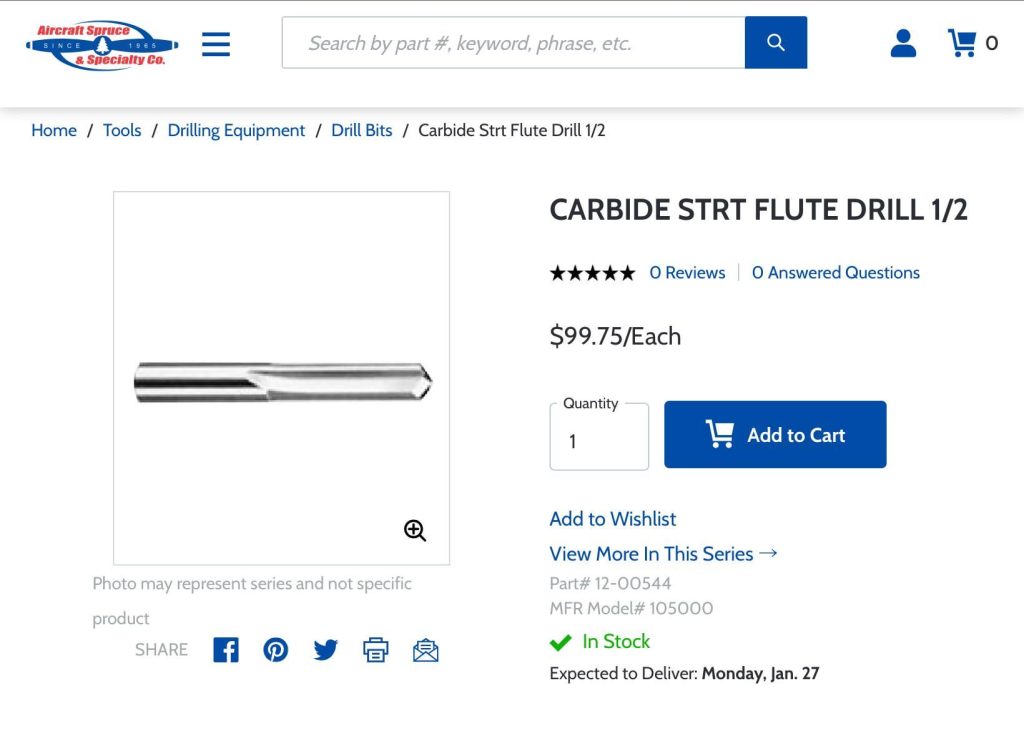
Carbide drill bits are very hard and wear-resistant. They stay sharp longer but can be brittle.
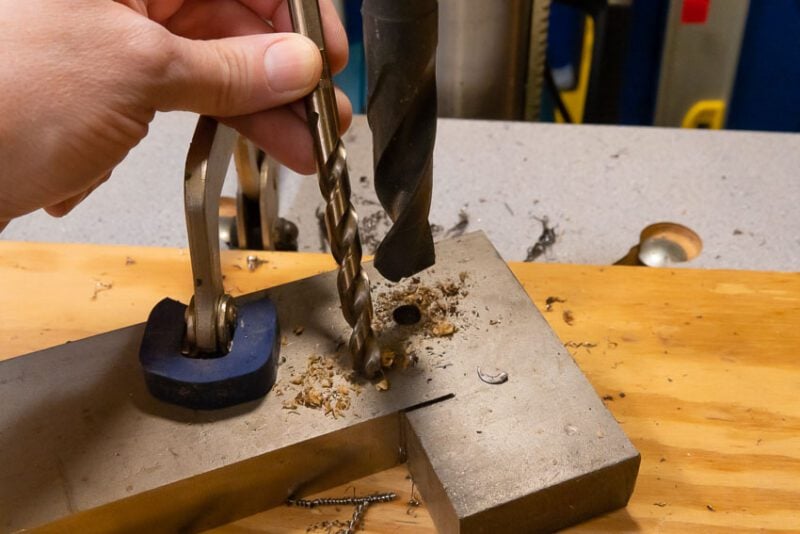
Cobalt bits are made with steel and cobalt. They are tougher and resist heat well. They bend but do not break easily.
- Carbide bits work best for very hard steel and precision drilling.
- Cobalt bits suit tougher jobs with less chance of breaking.
- Choose cobalt bits for drilling where heat builds up fast.
Coatings And Their Benefits
Coatings protect drill bits and help them last longer. They reduce friction and heat.
Common coatings include titanium nitride, black oxide, and titanium carbonitride.
- Titanium nitride (TiN) coating makes bits harder and reduces wear.
- Black oxide coating prevents rust and improves heat resistance.
- Titanium carbonitride (TiCN) coating is very hard and good for tough metals.
Selecting Drill Bit Size
Pick the right size drill bit for the hole you need. Too big or small bits cause problems.
Start with a smaller pilot hole before using a larger bit. This helps guide the drill and prevent damage.
- Use a pilot bit one size smaller than the final hole.
- Check steel thickness before choosing bit size.
- Match drill speed to bit size to avoid overheating.

Credit: www.ttp-hard-drills.net
Preparing The Workpiece
Drilling hardened tool steel requires careful preparation. Proper setup helps prevent damage and ensures accuracy.
This section covers marking the steel and securing it firmly before drilling.
Marking And Center Punching
Mark the drill points clearly to guide the drill bit. Use a permanent marker or scribe for accuracy.
Center punch the marks to create small dimples. These dimples keep the drill bit from slipping.
- Use a center punch with a sharp point.
- Hold the punch perpendicular to the surface.
- Strike firmly with a hammer to make a clear dent.
- Check that all marks align with your drilling plan.
Securing The Steel Properly
Clamp the steel tightly to prevent movement during drilling. Loose workpieces cause poor holes and tool damage.
| Clamping Method | Best Use |
|---|---|
| Bench Vise | Small to medium pieces |
| Clamp with Wooden Blocks | Protects surface from damage |
| Magnetic Clamp | Flat steel sheets |
| Fixture or Jig | Repeated drilling tasks |
Use soft jaw covers to avoid marring the steel. Double-check the tightness before starting the drill.
Setting Up The Drill Press
Drilling hardened tool steel needs careful setup. Proper setup helps avoid damage and improves drilling accuracy.
Start by securing the steel firmly on the drill press table. Use clamps or a vice to stop movement during drilling.
Optimal Speed Settings
Hardened tool steel requires slow drill speeds. High speeds can overheat the drill bit and steel.
Use a variable speed drill press to adjust speed easily. Aim for low RPM based on the drill bit size.
- For small bits (under 1/8 inch), use 500-1000 RPM
- For medium bits (1/8 to 1/4 inch), use 200-500 RPM
- For larger bits (over 1/4 inch), use 100-300 RPM
Using Coolants And Lubricants
Coolants and lubricants reduce heat and friction. They help keep the drill bit sharp longer.
Apply cutting oil or a special drilling lubricant during drilling. Reapply often to keep the area cool.
- Use cutting oil designed for metal drilling
- Apply before starting and during drilling
- Do not use water as it can cause rust
- Keep lubricant flowing to avoid overheating
Drilling Techniques
Drilling hardened tool steel needs careful technique. Using the right methods helps protect the drill and workpiece.
Focus on pressure, drilling style, and heat control for best results.
Applying Consistent Pressure
Keep steady pressure on the drill bit. Too much force can break the bit or damage the steel. Too little force slows the process and causes wear.
Use a drill press if possible. It keeps the pressure even and the drill straight. Hand drilling may cause uneven pressure and poor holes.
Peck Drilling Method
Peck drilling means drilling a little, then pulling the bit out to clear chips. This stops clogging and overheating.
- Drill down a short distance into the steel.
- Pull the drill bit out slightly to remove chips.
- Repeat until you reach the needed depth.
Avoiding Overheating
Heat can ruin the drill bit and steel hardness. Use coolant or oil to keep the drill cool. Stop drilling if the bit gets too hot.
| Tip | Why It Matters |
| Use cutting fluid | Reduces friction and heat |
| Drill at slow speeds | Prevents overheating and bit wear |
| Let the bit rest | Allows cooling between pecks |
Troubleshooting Common Issues
Drilling hardened tool steel can be tough. Problems like worn bits, broken tips, or crooked holes often happen. Fixing these issues keeps your work clean and safe.
Here, we cover ways to handle common problems. Use the tips below to keep your drilling smooth and accurate.
Dealing With Drill Bit Wear
Drill bits wear out faster on hardened steel. Dull bits make rough holes and need more force. Watch for signs of wear to avoid damage.
- Check bit edges often for dullness or chips.
- Use cutting oil to reduce heat and friction.
- Replace bits once they lose sharpness.
- Use bits made for hard metals, like cobalt or carbide.
- Lower drill speed to increase bit life.
Handling Bit Breakage
Bits break if you apply too much pressure or drill at wrong angles. Prevent breakage to save time and money.
| Cause | Solution |
| Too much force | Use steady, light pressure |
| High drill speed | Reduce speed to recommended level |
| Wrong drill bit type | Choose bits made for hardened steel |
| Misalignment | Secure workpiece and guide drill straight |
Fixing Misaligned Holes
Misaligned holes can ruin a project. They happen if the drill slips or the guide is off. Fixing them requires care.
To correct misaligned holes:
- Mark the correct spot clearly.
- Use a center punch to make a small dent.
- Clamp the workpiece firmly to stop movement.
- Start drilling slowly with a pilot bit.
- Check alignment often before drilling fully.

Credit: www.reddit.com
Post-drilling Care
After drilling hardened tool steel, proper care is essential. This ensures durability and efficiency. It also maintains the integrity of the drilled holes.
We will cover two important aspects: deburring and cleaning holes, and inspecting hole accuracy. Each step is crucial for optimal results.
Deburring And Cleaning Holes
Deburring removes sharp edges and burrs. This prevents injury and ensures smooth operations. Cleaning holes is vital to remove debris and ensure clear pathways.
- Use a deburring tool to smooth edges.
- Apply a solvent to clean out metal shavings.
- Check for any remaining debris with a soft brush.
Inspecting Hole Accuracy
Inspecting the accuracy of drilled holes is crucial. This ensures they meet the required specifications. Accurate holes are key for proper assembly and functionality.
| Inspection Tool | Use |
| Caliper | Measures diameter |
| Depth Gauge | Checks hole depth |
| Bore Gauge | Ensures roundness |
Credit: www.protoolreviews.com
Frequently Asked Questions
What Tools Are Best For Drilling Hardened Tool Steel?
Use carbide or cobalt drill bits for hardened tool steel. These bits resist heat and maintain sharpness, ensuring precise drilling. High-speed steel bits are less effective and wear quickly on hardened steel.
How Can I Prevent Drill Bit Overheating?
Apply cutting oil or coolant continuously to reduce heat. Use slow drilling speeds and steady pressure. Pausing periodically helps cool the bit and prolongs its life.
What Drilling Speed Is Ideal For Hardened Tool Steel?
Use low speeds, typically between 20-50 RPM, for drilling hardened steel. Slow speeds prevent overheating and extend drill bit life. Adjust speed based on bit size and material hardness.
Should I Use Pilot Holes When Drilling Hardened Steel?
Yes, pilot holes guide the main drill bit and reduce stress. Start with a small bit to create a pilot hole before using the final size. This improves accuracy and bit longevity.
Conclusion
Drilling hardened tool steel takes patience and the right tools. Use sharp, high-quality drill bits and keep a slow speed. Cool the drill area often to avoid overheating. Steady pressure helps prevent bit damage and ensures clean holes. Follow these steps to drill safely and effectively.
Practice makes the process easier and more precise. Stay careful and focused to get the best results every time.