

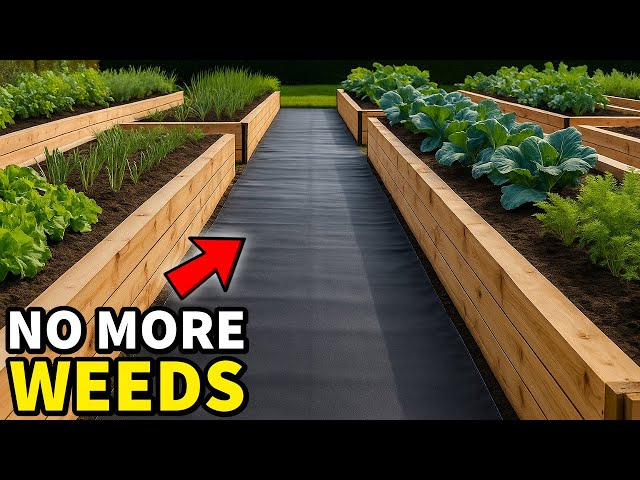
Weeding your garden bed doesn’t have to be a tiring chore that you dread every time. Imagine spending just a few minutes and seeing your garden clear of pesky weeds, giving your plants the space and nutrients they need to thrive.
If you’ve ever felt overwhelmed by stubborn weeds taking over your garden, this guide is made for you. You’ll discover simple, effective steps that make weeding easy and even satisfying. Keep reading, and you’ll learn how to take control of your garden bed without stress or struggle.

Credit: www.vegetableacademy.com
Tools For Easy Weeding
Weeding a garden bed can be simple with the right tools. Using proper tools helps remove weeds faster.
Good tools reduce strain on your hands and keep your garden healthy.
Essential Hand Tools
Hand tools make weeding easier and more precise. They help reach weeds close to plants without damage.
Common essential tools include trowels, hand forks, and hoes. These tools loosen soil and pull weeds out.
- Trowel:Small shovel to dig out roots.
- Hand Fork:Breaks up soil around plants.
- Hoe:Cuts weeds at soil surface.
Using Garden Gloves
Garden gloves protect your hands from dirt and sharp weeds. They keep your skin safe and clean.
Gloves with good grip help hold weeds and tools firmly. Choose gloves that fit well and feel comfortable.
- Protect against cuts and blisters
- Improve grip on tools and weeds
- Keep hands clean and dry
Choosing The Right Weeder
Different weeders suit different garden sizes and weed types. Pick one that fits your garden needs.
Common types include dandelion weeders, stirrup weeders, and hand weeders. Each works well for certain weeds.
- Dandelion Weeder:Long and narrow for deep roots
- Stirrup Weeder:Loop blade for cutting weeds just below soil
- Hand Weeder:Small fork for easy weed removal near plants
Credit: dengarden.com
Best Timing To Weed
Weeding at the right time makes the task easier and helps your garden grow better. Choosing when to weed can save effort and protect your plants.
Knowing the best moments to remove weeds keeps your garden healthy and your soil strong. Timing affects how well you can pull out the roots.
Weeding After Rain
Weeding after rain is ideal because the soil is soft. Wet soil allows you to pull out weeds with their roots more easily.
Removing weeds when the ground is moist reduces damage to nearby plants and cuts down on strain during weeding.
Early Morning Or Evening
Early morning or evening is the best time to weed. The temperature is cooler, so you can work comfortably without heat stress.
- Plants are less stressed during cooler parts of the day
- Weeds are easier to spot in soft natural light
- Soil moisture is usually higher, aiding weed removal
- Working at these times reduces sunburn risk
Frequency Of Weeding
Weeding often keeps your garden tidy and stops weeds from spreading seeds. Regular checks are better than long breaks.
| Frequency | Benefit |
| Weekly | Prevents weeds from growing tall |
| Biweekly | Controls weed spread, keeps soil loose |
| Monthly | Allows some weeds to seed, harder to remove |
Techniques For Quick Weeding
Weeding a garden bed can take time if you do not use the right methods. Quick weeding helps keep your plants healthy and your garden neat.
Using simple techniques, you can remove weeds easily and stop them from growing back fast. This guide covers pulling weeds by the roots, loosening soil, and using mulch.
Pulling Weeds By The Roots
Pulling weeds out by their roots stops them from coming back. It works best after rain or watering when the soil is soft. Hold the weed near the base and pull gently but firmly.
- Wear gloves to protect your hands
- Pull slowly to avoid breaking the root
- Use a weeding tool for deep roots
- Dispose of weeds away from the garden
Loosening Soil First
Loosen the soil before pulling weeds. Soft soil lets you remove the entire root easily. Use a garden fork or hoe to break up the soil around weeds.
| Tool | Use | Benefit |
|---|---|---|
| Garden Fork | Loosen soil deeply | Easy root removal |
| Hoe | Break surface soil | Quick weed removal |
| Hand Trowel | Small area digging | Remove small weeds |
Using Mulch To Prevent Weeds
Mulch covers soil to block sunlight. Without light, weed seeds cannot grow. Mulch also keeps soil moist and cool for your plants.
- Spread 2 to 3 inches of mulch around plants
- Use organic mulch like bark, straw, or leaves
- Replace mulch yearly to keep it fresh
- Keep mulch away from plant stems
Preventing Future Weed Growth
Weeds can take over your garden bed quickly if you do not take steps to stop them. Preventing weed growth saves time and effort later. Using natural methods can keep your garden healthy and clean.
There are simple ways to reduce weeds by covering the soil and keeping your garden tidy. These methods help your plants grow strong without competition from weeds.
Applying Organic Mulch
Organic mulch blocks sunlight from reaching weed seeds. This stops them from sprouting. Mulch also keeps soil moist and adds nutrients as it breaks down.
- Use wood chips, straw, or shredded leaves as mulch.
- Spread mulch 2 to 3 inches thick around your plants.
- Replenish mulch each season for best results.
Planting Ground Covers
Ground covers grow low and spread fast. They fill empty spaces and stop weeds from growing. Choose plants that suit your climate and soil type.
| Ground Cover | Benefits | Best For |
| Creeping Thyme | Fragrant and drought-tolerant | Sunny areas |
| Sweet Woodruff | Shade-loving and fast spreader | Shady spots |
| Irish Moss | Soft texture and thick coverage | Rock gardens |
Regular Garden Maintenance
Weeds grow faster in neglected gardens. Check your garden often to pull weeds before they spread seeds. Keep tools clean and soil healthy.
- Inspect your garden weekly for new weeds.
- Remove weeds by hand or use a hoe on dry soil.
- Water plants early in the day to reduce weed growth.
- Keep garden beds well-tilled and free of debris.
Dealing With Tough Weeds
Tough weeds can take over your garden bed quickly. They grow deep roots and resist simple pulling. You need smart ways to remove them without harming your plants.
This guide shows easy methods to handle stubborn weeds safely. Use natural treatments, boiling water, or herbicides carefully.
Spot-treating With Natural Solutions
Natural solutions work well on small weed patches. They kill weeds without chemicals. Use these safe options for your garden.
- Mix vinegar and water to spray on leaves
- Use salt sparingly on the weed base
- Apply baking soda to cracks where weeds grow
- Cover weeds with mulch or cardboard to block sunlight
Using Boiling Water Safely
Boiling water kills weeds by cooking their roots. Use it only on hard surfaces or isolated weeds. Avoid spilling near plants you want to keep.
- Boil water in a kettle or pot
- Pour slowly on the weed base to avoid splash
- Repeat if weeds grow back
- Use gloves and pour carefully to prevent burns
When To Use Herbicides
Herbicides help with large weed problems. Choose the right type and follow instructions to protect your garden.
| Herbicide Type | Best Use | Safety Tips |
| Selective | Kills specific weeds | Apply on calm days, avoid flowers |
| Non-selective | Kills all plants it touches | Use only on paths or driveways |
| Organic | Safer for vegetables and herbs | Repeat treatments may be needed |
Tips For Maintaining A Weed-free Bed
Keeping a garden bed free of weeds can be simple with regular care. Learn easy tips to keep your garden healthy and thriving.
By following a few basic strategies, you can prevent weeds from taking over your garden. Start with a plan and stick to it.
Consistent Weeding Schedule
Pulling weeds regularly stops them from spreading. Make weeding a routine task to keep your garden bed clear.
- Set aside time each week for weeding.
- Remove weeds before they flower and seed.
- Use tools like hoes for deep-rooted weeds.
Monitoring New Growth
Watch your garden for new weeds sprouting. Early action can prevent them from becoming a problem.
| Sign | Action |
| Small weeds | Pull by hand |
| Dense growth | Use a hoe |
| Large weeds | Dig out roots |
Soil Health And Weed Control
Healthy soil can discourage weed growth. Good soil management is key to a weed-free garden bed.
:strip_icc()/7000644-7828-104_preview-9b4cb7f6383542329bb271e7a9e25eac.jpg)
Credit: www.bhg.com
Frequently Asked Questions
What Is The Easiest Way To Weed A Garden Bed?
The easiest way to weed a garden bed is by hand pulling after watering. Moist soil loosens roots, making removal simpler and less disruptive to plants.
When Is The Best Time To Weed A Garden Bed?
The best time to weed a garden bed is early morning or after rain. Soil is soft, and weeds are easier to pull out completely.
How Can I Prevent Weeds From Growing In Garden Beds?
Use mulch to block sunlight and suppress weed growth. Regularly inspect and remove weeds early to prevent spreading and seed formation.
What Tools Help Make Weeding Garden Beds Easier?
A hand weeder, hoe, or garden fork helps loosen soil and remove weeds efficiently. These tools reduce strain and improve precision in tight spaces.
Conclusion
Weeding a garden bed does not have to be hard. Use simple tools and pull weeds when the soil is soft. Keep your garden clean to stop weeds from growing back. Regular care helps your plants stay healthy and strong.
Taking small steps often saves time later. Enjoy your beautiful, weed-free garden with less effort.