

Weeds can quickly take over your beautiful flower garden, stealing nutrients and making your plants struggle to grow. If you’re tired of fighting a losing battle with those pesky intruders, you’re not alone.
Imagine enjoying a vibrant, healthy garden without the hassle of constant weeding. You’ll discover simple, effective ways to get rid of weeds and keep your flower garden looking its best all season long. Ready to reclaim your garden’s beauty? Let’s dive in and make those weeds disappear for good.
Identifying Common Garden Weeds
Weeds can harm your flower garden by taking nutrients and space. Knowing common weeds helps you remove them quickly.
Identifying weeds early stops them from spreading. This guide explains common types and how they grow.
Types Of Weeds In Flower Gardens
Flower gardens often have several weed types. Some grow low, while others grow tall and fast.
- Dandelions – yellow flowers with jagged leaves
- Crabgrass – spreads quickly with wide blades
- Chickweed – small white flowers and soft leaves
- Clover – three-leaf clusters and small flowers
- Pigweed – tall with broad leaves and green seed heads
Each weed looks different. Knowing their traits helps you find them early.
Weed Growth Patterns
Weeds grow in many ways. Some spread by seeds, others by roots or runners.
- Annual weeds grow fast, produce seeds, then die in one year.
- Perennial weeds come back every year from roots or runners.
- Biennial weeds grow leaves first year, then flowers and seeds next year.
Knowing growth patterns helps you choose the best time to remove weeds. Removing them before seed spread stops new weeds.

Credit: lawnlove.com
Preventing Weed Growth
Weeds can harm your flower garden by stealing nutrients and water. Stopping weeds before they grow saves time and work.
Using good garden habits helps keep weeds away. Focus on soil, mulch, and watering to protect your plants.
Soil Preparation Techniques
Start by clearing old weeds and roots from the soil. This reduces weed seeds and stops new weeds from growing.
Loosen the soil by digging or tilling. This improves air and water flow, helping flowers grow strong.
- Remove all visible weeds and roots
- Turn the soil deeply to bury weed seeds
- Add compost to enrich the soil
- Level the soil surface for even planting
Mulching Benefits And Methods
Mulch covers the soil and blocks sunlight. Without light, weed seeds cannot sprout and grow.
Mulch also keeps soil moist and cool. This helps flowers stay healthy and strong against weeds.
- Use organic mulch like wood chips or straw
- Apply a 2-3 inch thick layer around plants
- Keep mulch a few inches away from plant stems
- Refresh mulch yearly to maintain coverage
Proper Watering Practices
Water only the flower roots, not the whole soil. This stops weeds from getting water and growing.
Use drip irrigation or watering cans to aim water at plants. Avoid spraying water on the soil surface.
- Water early in the morning to reduce evaporation
- Give deep, less frequent watering to encourage roots
- Avoid overwatering to prevent weed growth
- Check soil moisture before watering again
Manual Weed Removal
Removing weeds by hand helps keep your flower garden healthy. It stops weeds from stealing nutrients and water.
Manual removal is simple and works well for small gardens. It also avoids using chemicals that can harm flowers.
Hand Pulling Tips
Pull weeds when the soil is moist. It makes roots come out easier and whole.
Grab the weed close to the ground. Pull slowly to remove the entire root system.
- Pull weeds after watering or rain
- Use both hands for large weeds
- Wear gloves to protect your hands
- Dispose of weeds away from the garden
Using Gardening Tools Effectively
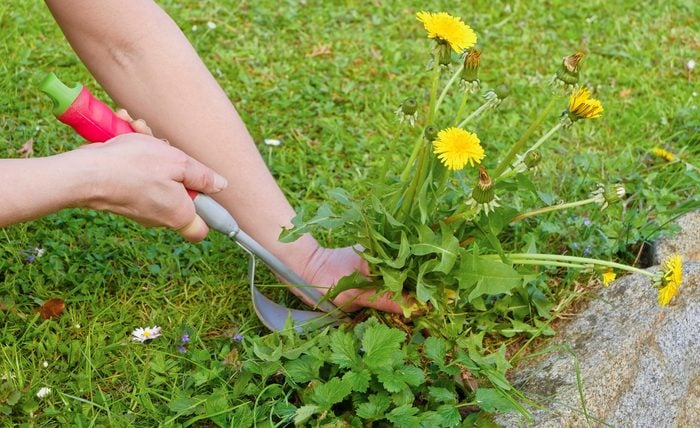
Use tools like hoes or weeders to make removal easier. They help reach deep roots without harming flowers.
Work tools gently to avoid breaking weed roots. Broken roots can grow back and cause more weeds.
- Choose a tool that fits your garden size
- Use a hand weeder for tight spaces
- Hoe just below the soil surface
- Clean tools after use to prevent disease
:strip_icc()/bhg-spraying-apple-cider-vinegar-on-plants-EtgW8Goo4xpBDLthC9L0VS-96a62a2a710e4fcba31b6127f69d9dc6.jpg)
Credit: www.bhg.com
Natural Weed Control Methods
Weeds can harm your flower garden by taking water and nutrients. Using natural methods helps keep your garden healthy. These methods avoid harsh chemicals.
Try simple and safe ways to control weeds. Use what you have at home and plant smart to stop weeds from growing.
Vinegar And Homemade Solutions
Vinegar works as a natural weed killer. It dries out the leaves and stops weeds from growing back. You can mix vinegar with other ingredients for better results.
- Use white vinegar with 5% acetic acid for safety.
- Add a teaspoon of dish soap to help vinegar stick to leaves.
- Apply on dry, sunny days for best effect.
- Be careful not to spray your flowers or grass.
- Repeat treatment weekly if needed.
Using Boiling Water Safely
Pouring boiling water on weeds kills them quickly. It damages the roots and leaves so weeds cannot grow again.
Use boiling water only on weeds that grow in cracks or away from flowers. Too much hot water can hurt your plants.
| Tip | How to Use |
| Boil water | Use a kettle or pot to boil fresh water |
| Pour carefully | Pour water slowly on weed base without splashing |
| Avoid plants | Keep boiling water away from flowers and desired plants |
| Repeat | Apply again if weeds grow back |
Planting Cover Crops
Cover crops grow fast and block sunlight. This stops weeds from getting light and space to grow in your flower bed.
- Choose low-growing plants like clover or buckwheat.
- Plant cover crops between flower rows or in empty spots.
- Cover crops improve soil health by adding nutrients.
- Cut cover crops before they bloom to avoid seed spreading.
Chemical Weed Control Options
Chemical weed control helps manage unwanted plants in flower gardens. It uses herbicides to kill or stop weed growth.
Choosing the right herbicide and applying it carefully protects your flowers. Learn how to select safe products and apply them correctly.
Selecting Safe Herbicides
Pick herbicides that target weeds but do not harm flowers. Some products are made for specific plants and garden types.
- Look for selective herbicides safe for your flower types.
- Choose products labeled for use in flower beds.
- Avoid broad-spectrum herbicides that kill many plants.
- Check active ingredients to avoid toxicity to flowers.
- Read label directions and warnings carefully.
Application Tips For Flower Gardens
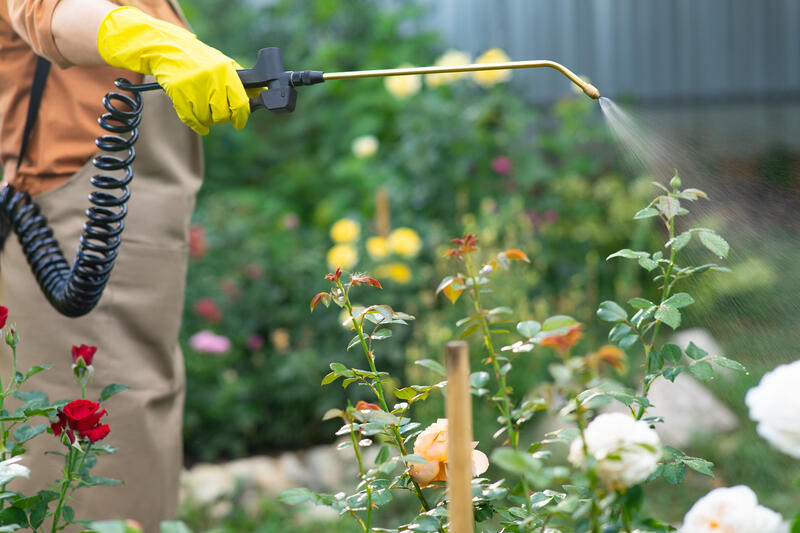
Apply herbicides with care to avoid damaging flowers. Use the right tools and timing for best results.
| Tip | Description |
| Use a Shield or Wand | Protect flowers by shielding them during spray application. |
| Apply on Calm Days | Prevent drift by spraying when wind is low or absent. |
| Follow Dosage Instructions | Use the recommended amount to avoid harming plants. |
| Spot Treat Weeds | Apply herbicides directly to weeds, not the whole garden. |
| Wear Protective Gear | Use gloves and masks to protect yourself during application. |
Maintaining A Weed-free Garden
Weeds can quickly take over a flower garden if not managed properly. Keeping a garden free from weeds ensures healthy plants and beautiful blooms.
Regular care and attention help in minimizing weeds. This guide will cover essential practices to maintain a weed-free garden.
Regular Garden Inspection
Inspecting your garden regularly helps you catch weeds early. Early detection prevents them from spreading.
Walk through your garden weekly. Look for new weed growth and remove them by hand.
- Check around plant bases
- Inspect shady areas
- Look along garden edges
Soil Health Management
Healthy soil reduces weed growth. It supports strong plants that compete well with weeds.
Test your soil to know its pH and nutrient levels. Add compost or organic matter to improve it.
- Use mulch to prevent weeds
- Keep soil well-drained
- Rotate plants each season
Seasonal Weed Control Routines
Different seasons bring different weeds. Tailor your weed control to each season for the best results.
In spring, remove young weeds. In summer, focus on mulching. In fall, clear dead plants to prevent weeds.
| Season | Action |
| Spring | Remove young weeds |
| Summer | Mulch heavily |
| Fall | Clear dead plants |
Credit: www.familyhandyman.com
Frequently Asked Questions
How Can I Prevent Weeds In My Flower Garden?
Prevent weeds by mulching the soil to block sunlight. Regularly hand-pull weeds before they seed. Use landscape fabric for extra protection. Maintain healthy plants to outcompete weeds naturally.
What Natural Weed Killers Are Safe For Flowers?
Use vinegar or boiling water cautiously as natural weed killers. Corn gluten meal prevents weed seeds from sprouting. Always test on small areas to avoid damaging flowers. These options are eco-friendly and safe for garden use.
When Is The Best Time To Remove Weeds?
Remove weeds early in the morning or after rain. Weeds are easier to pull when the soil is moist. Timely removal prevents seed spread and reduces regrowth. Consistent weeding maintains a healthy flower garden.
Does Mulch Really Help Control Weeds?
Yes, mulch blocks sunlight, preventing weed seed germination. It also retains soil moisture and improves soil health. Apply 2-3 inches of organic mulch around plants. Mulching is an effective and natural weed control method.
Conclusion
Keeping your flower garden weed-free takes patience and care. Pull weeds often before they spread seeds. Use mulch to stop new weeds from growing. Choose the right tools to make weeding easier. Water and feed your plants well to keep them strong.
Healthy plants crowd out weeds naturally. A tidy garden looks beautiful and feels peaceful. Small efforts every week make a big difference. Enjoy your vibrant, weed-free flower garden all season long.