

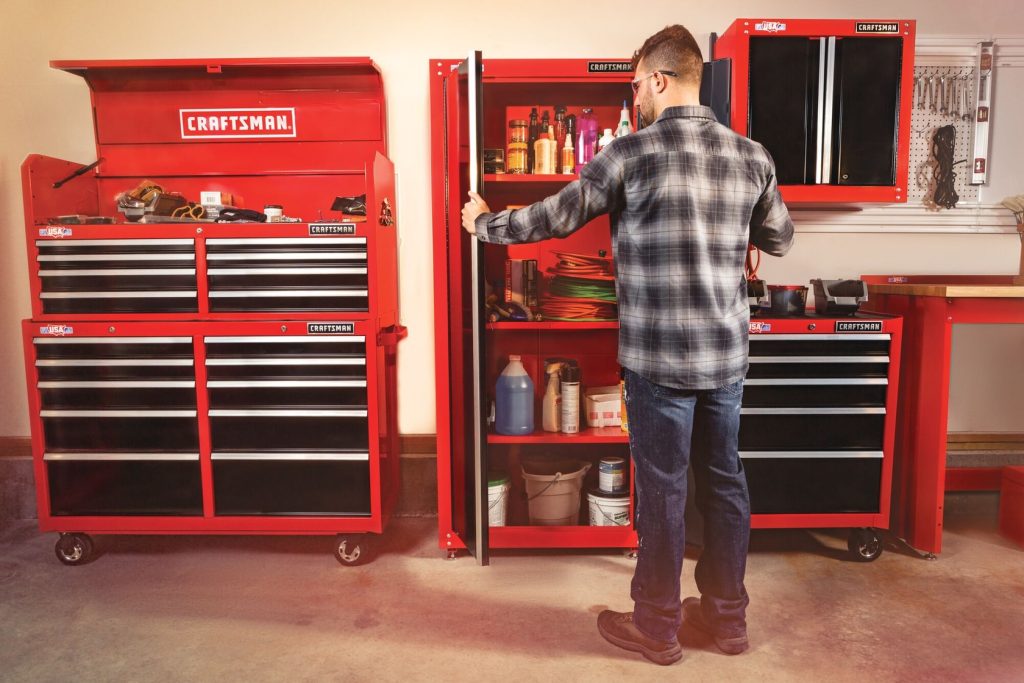
Are you tired of digging through messy tool chest drawers every time you need a screwdriver or wrench? Imagine how much easier your projects would be if everything had its place, right at your fingertips.
Organizing your tool chest drawers not only saves you time but also reduces frustration and helps you work smarter. In this guide, you’ll discover simple, effective ways to arrange your tools so you can find what you need instantly and keep your workspace neat.
Let’s dive in and transform your tool chest into a well-ordered, efficient zone you’ll actually enjoy using.
Choosing The Right Tool Chest
Organizing your tools starts with picking the right tool chest. The right chest keeps tools safe and easy to find.
Think about the types of tools you have and how much space you need. This helps you find the best chest for your workspace.
Types Of Tool Chests
Tool chests come in many styles. Each style fits different needs and spaces.
- Portable Tool Chests:Small and easy to carry. Good for light jobs and moving tools.
- Roll-Top Tool Chests:Have a cover that rolls up. Keeps tools dust-free and secure.
- Stackable Tool Chests:Multiple units that stack. Great for growing tool collections.
- Tool Cabinets:Larger with many drawers. Best for big workshops with many tools.
- Wall-Mounted Tool Chests:Save floor space by mounting on walls. Good for small areas.
Size And Capacity Considerations
Choose a tool chest size that fits your tools and workspace. Too small means no room to grow. Too big takes too much space.
Think about the number of drawers and their sizes. Deep drawers hold large tools. Shallow drawers are good for small items.
- Measure your available space before buying.
- Count your tools to estimate needed storage.
- Consider future tools you may add.
- Check if the chest can move easily if needed.

Credit: www.reddit.com
Sorting Your Tools
Organizing your tool chest drawers makes it easier to find what you need. Sorting tools helps keep your workspace neat and saves time.
Start by sorting your tools before placing them in drawers. This step creates order and reduces clutter.
Categorizing By Tool Type
Group tools by their type to keep similar items together. This helps you find tools quickly and avoid mixing different kinds.
Common categories include screwdrivers, pliers, wrenches, and measuring tools. You can use drawer dividers or small containers to separate these groups.
- Screwdrivers
- Pliers
- Wrenches
- Hammers
- Measuring Tools
- Cutting Tools
Prioritizing Frequently Used Tools
Place tools you use often in the top drawers or near the front. This saves time and effort when working on projects.
Less-used tools can go in lower drawers or back areas. Keep your daily tools easy to reach to improve efficiency.
- Top drawer: screwdrivers, pliers, tape measure
- Second drawer: wrenches, hammers
- Lower drawers: specialty tools, rarely used items
Drawer Layout Strategies
Organizing tool chest drawers helps you find tools quickly. Good layout saves time and keeps tools safe.
Planning the drawer layout makes your workspace neat. You can work faster with less clutter.
Designating Drawers For Specific Tools
Assign each drawer to hold one type of tool. This reduces searching and keeps tools in place.
For example, keep wrenches in one drawer and screwdrivers in another. Group similar tools together.
- Label drawers with tool types
- Place frequently used tools in top drawers
- Store rarely used tools in bottom drawers
- Keep heavy tools in lower drawers for safety
Using Drawer Dividers And Inserts
Drawer dividers separate tools to avoid damage and mess. Inserts keep small parts organized and easy to see.
Use adjustable dividers to fit different tool sizes. Foam inserts hold tools firmly and stop them from moving.
- Plastic dividers for simple separation
- Foam inserts cut to tool shapes
- Adjustable compartments for mixed tools
- Small bins for screws and nails

Credit: www.amazon.com
Maximizing Space Efficiency
Organizing your tool chest drawers well helps you save space. It also makes tools easy to find and use.
Using smart ways to store tools keeps your workspace clean and tidy. This guide shows how to get the most out of your drawers.
Stacking And Nesting Tools
Stacking tools means placing one on top of another safely. Nesting fits smaller tools inside larger ones to save space.
Both methods reduce clutter and make drawers less crowded. Use trays or dividers to keep stacked tools stable.
- Stack screwdrivers by size for quick access
- Place small parts inside larger containers
- Use foam inserts to hold tools in place
- Keep heavy tools at the bottom of stacks
Utilizing Vertical Space
Vertical space in drawers is often unused. Adding layers or organizers helps store more tools without extra drawers.
Use drawer dividers or stackable trays to create levels. This keeps tools visible and easy to reach.
- Insert adjustable dividers to separate tools vertically
- Use tiered trays to hold small parts and accessories
- Place lids or covers to protect tools from dust
- Store flat items like manuals or papers vertically
Labeling And Accessibility
Organizing tool chest drawers helps you find tools fast. Labeling and easy access save time and keep your workspace tidy.
Clear labels and smart arrangement make your tools easy to spot and grab when you need them.
Effective Labeling Techniques
Good labels show what is inside each drawer and where each tool belongs. Use simple words and clear fonts for quick reading.
- Use large, bold letters for labels.
- Place labels on the front edge of drawers.
- Color code labels by tool type or size.
- Use waterproof labels to avoid smudging.
- Update labels if you change drawer contents.
Arranging For Quick Access
Arrange tools so the most used ones are easy to reach. Group similar items together and keep heavy tools at the bottom.
| Drawer Section | Tool Type | Placement Tip |
| Top Drawer | Small hand tools | Keep close to the front for fast reach |
| Middle Drawer | Power tool accessories | Organize by size and type |
| Bottom Drawer | Heavy tools | Store flat and near the back |
Maintenance And Upkeep
Keeping your tool chest organized is crucial. Maintenance and upkeep are key. It helps find tools quickly and keeps them in good shape.
A well-maintained tool chest saves time. It also makes your work more efficient. Regular routines help keep everything in order.
Regular Cleaning Routines
Clean your tool chest regularly. This prevents dust and grime buildup. It keeps your tools in top condition.
Use a soft cloth for wiping. Avoid harsh chemicals. They can damage the tool surfaces.
- Wipe down drawers weekly
- Remove tools and clean underneath
- Check for rust and oil tools if needed
Periodic Tool Inventory Checks
Regularly check your tools. Ensure all are in place. This helps avoid losing important tools.
Use a checklist. Note any missing items. Replace or repair damaged tools promptly.
- Check tool condition monthly
- Mark missing tools on a list
- Reorganize tools for easy access
Additional Space-saving Accessories
Organizing your tool chest drawers can be a challenge. Using space-saving accessories helps keep tools neat and easy to find.
These accessories maximize your storage space. They make your workspace more efficient and clutter-free.
Magnetic Strips And Hooks
Magnetic strips are great for holding metal tools. They stick to the wall or inside the tool chest.
Hooks are useful for hanging tools with loops or holes. They save drawer space and keep tools within reach.
- Place magnetic strips above workbench
- Use hooks for wrenches and hammers
- Organize pliers and screwdrivers on strips
Portable Tool Organizers
Portable tool organizers are handy for small parts. They keep screws, nuts, and bolts sorted and easy to find.
These organizers can be moved around your workspace. They allow you to carry tools to different projects.
- Choose stackable organizers for more space
- Label compartments for quick identification
- Pick clear boxes to see contents easily

Credit: www.reddit.com
Frequently Asked Questions
How Do I Start Organizing Tool Chest Drawers?
Begin by emptying all drawers completely. Sort tools by type and size. Clean the drawers before placing tools back. Use dividers or trays to keep tools separated and easy to find.
What Are The Best Organizers For Tool Chest Drawers?
Use foam inserts, plastic dividers, or small bins. These organizers prevent tools from shifting and cluttering. Choose organizers that fit your drawer size and tool types for maximum efficiency.
How Often Should Tool Chest Drawers Be Organized?
Organize your tool chest drawers every 3 to 6 months. Regular maintenance keeps tools easy to find and prevents clutter. Inspect tools for damage and discard unusable ones during organization.
Can Labeling Help In Organizing Tool Chest Drawers?
Yes, labeling drawers and compartments improves tool identification. It saves time searching and ensures tools return to the correct spot. Use clear, durable labels for best results.
Conclusion
Organizing tool chest drawers makes finding tools quick and easy. Sort tools by type and size for better order. Use dividers or small boxes to keep items separate. Clean your drawers regularly to avoid clutter build-up. A neat tool chest saves time and reduces frustration.
Start small and build your organization step by step. Soon, your workspace will feel more efficient and calm. Keep this system simple to maintain it every day. Enjoy the ease of a well-organized tool chest.