

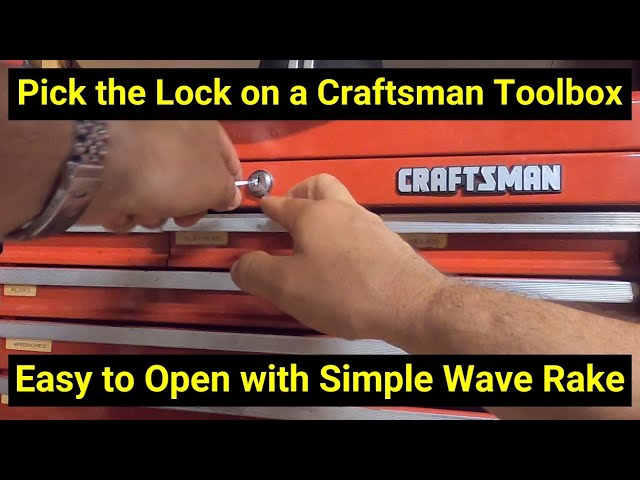
Choosing the right tool box lock can protect your valuable tools from theft and damage. But with so many options out there, how do you know which one is best for your needs?
You want a lock that’s strong, easy to use, and fits your tool box perfectly. You’ll discover simple tips to pick the perfect lock that gives you peace of mind every time you leave your tools behind. Keep reading, and you’ll never worry about your tools being unsafe again.

Credit: www.youtube.com
Types Of Toolbox Locks
Choosing the right toolbox lock helps keep your tools safe. Different locks offer different levels of security and convenience. Understanding the types of toolbox locks makes it easier to pick one that fits your needs.
Padlocks
Padlocks are simple and versatile. They hang on a latch or hasp and come in many sizes. You can use a key or a combination to open them. Padlocks are easy to replace if lost or damaged.
Cam Locks
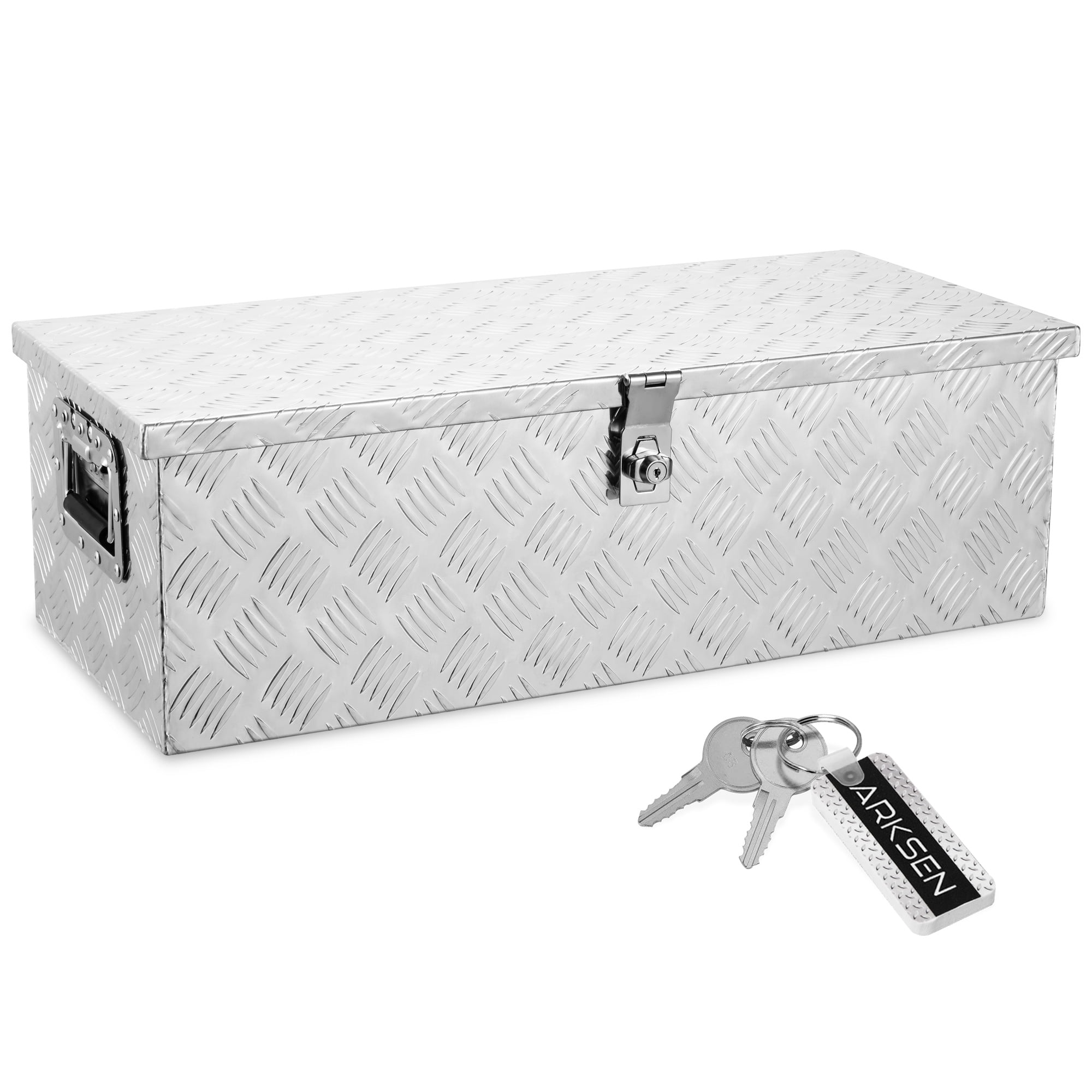
Cam locks fit directly into the toolbox door. Turning the key moves a metal cam to lock or unlock. These locks are compact and often built into the toolbox. They provide moderate security for everyday use.
Keyed Locks
Keyed locks require a key to open. They offer strong protection and are common on toolboxes. Losing the key can be a problem, but some models allow key duplication. These locks give peace of mind for valuable tools.
Combination Locks
Combination locks open with a number code. No key is needed, so you won’t lose it. Some have dials, others use push buttons. They offer quick access and good security without extra parts.
Credit: www.walmart.com
Material And Build Quality
Choosing the right material and build quality is key for a toolbox lock. The material affects strength, security, and lifespan. A good lock must resist damage and harsh conditions. Understanding different metals and their properties helps in making a smart choice. Build quality also ensures the lock works smoothly over time.
Metal Types
Steel is the most common metal for toolbox locks. It offers strong protection and is hard to break. Brass is softer but resists corrosion well. Aluminum is light but less strong. Hardened steel provides extra strength and resists cutting tools. Pick a metal that suits your security needs and daily use.
Rust Resistance
Rust can weaken a lock and cause it to fail. Locks with rust-resistant coatings last longer. Stainless steel locks resist rust naturally. Some locks have special finishes to prevent rust. Consider the environment where you will use the lock. Wet or humid places need locks that handle moisture well.
Durability Factors
Durability depends on metal quality and lock design. A solid lock body and strong shackle increase durability. Check for tight fittings and smooth mechanisms. Poor build quality can lead to easy breakage or jamming. Durable locks save money by avoiding frequent replacements.
Security Features To Look For
Choosing the right toolbox lock means focusing on strong security features. These features keep your tools safe and stop thieves from breaking in. A good lock should resist picking, have a strong shackle, and include anti-drill parts. Each feature adds a layer of protection that makes your toolbox harder to open without a key.
Pick Resistance
Pick resistance means the lock is hard to open without the correct key. Locks with special pins or complex mechanisms are tough to pick. This feature helps keep your tools safe from thieves using simple tools. Choose locks that mention “pick-proof” or “high security” for better protection.
Shackle Strength
The shackle is the metal loop that holds the lock closed. A strong shackle resists cutting or breaking. Look for shackles made from hardened steel or boron alloy. Thicker shackles also make it harder to cut through with bolt cutters or saws.
Anti-drill Mechanisms
Drilling is a common way to break locks. Anti-drill mechanisms stop this by adding hardened plates inside the lock. These plates protect the locking cylinder from being drilled out. Locks with anti-drill features last longer and provide better security.
Matching Lock To Toolbox Type
Choosing the right lock depends on the toolbox type. Each toolbox has unique needs for security and fit. Matching the lock ensures your tools stay safe and the lock works well.
Portable Toolboxes
Portable toolboxes are small and easy to carry. They need compact locks that do not add much weight. Combination locks or small padlocks work well here. The lock should fit the toolbox latch tightly. Easy to open but secure enough to protect tools.
Stationary Tool Chests
Stationary tool chests are larger and stay in one place. They need strong locks to prevent theft. Keyed locks or heavy-duty padlocks are common choices. The lock must fit large hasps or built-in lock slots. Durability is important to handle daily use.
Heavy-duty Industrial Boxes
Heavy-duty boxes store expensive and large tools. They require very strong locks for high security. Look for locks made of hardened steel or with anti-pick features. Electronic or combination locks offer extra protection. The lock should match the box’s heavy build and size.
Ease Of Use And Access
Choosing a toolbox lock with ease of use and access matters. A lock should protect your tools without causing frustration. Simple operation saves time and reduces hassle during busy workdays. Focus on key management, combination settings, and lock installation. These aspects affect how smoothly you open and secure your toolbox.
Key Management
Key management means handling and storing your keys easily. Choose a lock with keys that are hard to lose. Some locks come with spare keys or key rings. Consider how many keys you need and who else needs access. A lock with simple key duplication helps when sharing access. Avoid locks with complicated or fragile key designs.
Combination Settings
Combination locks offer keyless access by entering a code. Pick a lock with clear, easy-to-turn dials or buttons. Changing the combination should be simple and quick. Use numbers or letters easy to remember. Avoid locks with complex or confusing settings. A well-designed combination lock improves security and convenience.
Lock Installation
Proper lock installation ensures smooth operation and strong security. Look for locks with clear instructions and necessary hardware. Some locks fit on various toolbox types and sizes. Choose a lock that installs without special tools or skills. Easy installation saves time and prevents damage to your toolbox.
Budget Considerations
Choosing the right toolbox lock means thinking about your budget. Your budget guides what type of lock you can buy. It also affects how safe your tools will be. Balancing cost and quality helps you make the best choice.
Cost Vs Security
Higher cost often means better security features. Cheap locks might be easy to break. Expensive locks use strong materials and smart designs. Think about how much protection you need. Spending a bit more can stop theft and damage.
Long-term Investment
Good locks last longer and save money over time. Cheap locks may fail and need replacing. A strong lock protects your tools for years. Buying quality now avoids extra costs later. Think about how long you want the lock to last.
Warranty And Support
Check if the lock comes with a warranty. Warranties show the maker trusts their product. Support helps if the lock breaks or has issues. Some companies offer free repairs or replacements. This can save you money and stress later.
Maintenance Tips For Toolbox Locks
Keeping your toolbox lock in good shape helps protect your tools. Regular care stops problems before they start. Follow simple steps to keep the lock working smoothly. These tips save time and avoid costly repairs.
Cleaning
Dirt and dust can block the lock. Use a soft brush or cloth to clean the surface. Blow air into the keyhole to remove small particles. Avoid water or harsh chemicals that can cause rust.
Lubrication
Locks need smooth movement. Apply a small amount of graphite powder or a dry lubricant. Avoid oil-based sprays that attract dirt. Lubricate the lock once every few months for best results.
Regular Inspections
Check the lock often for signs of wear or damage. Look for rust, loose parts, or stuck keys. Early detection helps fix problems quickly. Replace the lock if it shows serious damage.

Credit: www.lockpickworld.com
Frequently Asked Questions
What Types Of Locks Suit Different Toolbox Materials?
Choose locks based on your toolbox material. Metal boxes pair well with padlocks or keyed locks. Plastic toolboxes often use built-in combination locks. Consider durability and weather resistance for outdoor use to ensure long-lasting security.
How Do I Measure My Toolbox Lock Size?
Measure the shackle diameter, width, and height of your toolbox lock area. Check the lock’s compatibility with your toolbox’s hasp or latch. Correct sizing ensures a secure fit and prevents lock failure or damage.
Which Lock Offers The Best Security For Toolboxes?
High-quality keyed padlocks with hardened steel shackles provide strong security. Combination locks offer convenience but can be less secure. Choose locks with anti-pick and anti-cut features for maximum protection.
Can I Install A Lock On Any Toolbox?
Most toolboxes can accommodate a lock with the right hardware. Some may require drilling or additional mounting brackets. Always follow manufacturer instructions to avoid damaging your toolbox during installation.
Conclusion
Choosing the right tool box lock keeps your tools safe and secure. Consider the lock type, size, and material carefully. A strong lock prevents theft and damage. Easy-to-use locks save time and frustration. Think about where you use your toolbox most.
Weather resistance can matter a lot outside. A good lock matches your toolbox and needs. Take your time to pick the best option. Protect your tools with the right lock today.