

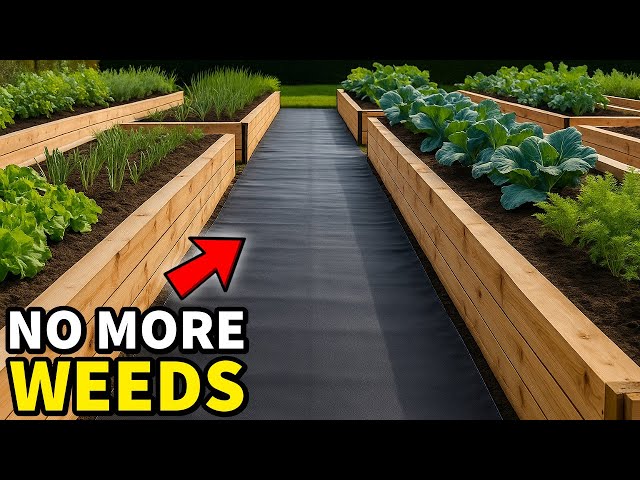
Are weeds taking over your garden and stealing the spotlight from your beautiful plants? You’re not alone.
Weeds can quickly turn a peaceful garden into a frustrating mess. But what if you could keep those pesky invaders under control with simple, effective steps? You’ll discover easy ways to reduce weeds and protect your garden’s health. Imagine spending less time battling weeds and more time enjoying a lush, vibrant garden.
Ready to make your garden weed-free? Let’s get started!
Causes Of Weed Growth
Weeds grow quickly in gardens and can harm other plants. Understanding why weeds grow helps to control them.
Several causes make gardens a good place for weeds to grow and spread fast.
Common Weed Types
Different weeds grow in gardens depending on the area. Some weeds grow close to the ground, while others grow tall.
Knowing common weed types helps identify and remove them early.
- Dandelions: Yellow flowers and deep roots
- Crabgrass: Grows fast and spreads wide
- Chickweed: Small leaves and white flowers
- Bindweed: Twining vines that choke plants
- Clover: Low growing with small round leaves
Weed Seeds And Spread
Weeds spread mainly through seeds. These seeds can travel by wind, water, animals, or tools.
Some weed seeds stay in the soil for years before growing. This makes it hard to stop weeds completely.
- Wind carries light seeds far from the parent plant
- Water spreads seeds to new places during rain
- Animals move seeds stuck on fur or feathers
- Garden tools can move seeds between areas
Soil And Climate Factors
Weeds grow better in certain soils and weather. Loose soil lets weed roots grow deep.
Warm and wet climates help weed seeds sprout and grow fast. Dry or cold weather slows weeds.
- Rich soil with nutrients supports weed growth
- Wet soil helps seeds to germinate
- Warm temperatures speed up weed growth
- Disturbed soil creates space for weeds

Credit: thegardenersworkshop.com
Preventive Measures
Weeds can take over your garden if you do not stop them early. Using preventive measures helps keep weeds away. These methods protect your plants and soil.
Here are three ways to reduce weeds in your garden before they start to grow.
Mulching Techniques
Mulching covers the soil, stopping weed seeds from getting sunlight. It also keeps soil moist and cool for your plants.
- Use organic mulches like straw, wood chips, or leaves.
- Apply a 2-3 inch layer around your plants.
- Replace mulch yearly to keep it thick and effective.
- Avoid piling mulch against plant stems to prevent rot.
Proper Lawn Care
A healthy lawn stops weeds from growing. Good lawn care includes mowing, watering, and feeding your grass.
| Care Task | Why It Helps |
| Mowing Often | Keeps grass thick and blocks weeds |
| Watering Deeply | Strengthens roots and grass growth |
| Fertilizing | Feeds grass to outgrow weeds |
| Removing Thatch | Prevents weed seeds from hiding |
Choosing Weed-resistant Plants
Some plants grow better with fewer weeds around. Picking these plants helps reduce garden weeds naturally.
Plants that crowd the soil surface or grow quickly can block weed growth. Examples include:
- Groundcovers like creeping thyme or clover
- Dense shrubs such as boxwood or juniper
- Fast-growing perennials like daylilies
Manual Weed Removal
Removing weeds by hand helps keep your garden healthy. It stops weeds from taking nutrients away from your plants.
This method works best for small gardens or areas with few weeds. It also reduces the need for chemicals.
Effective Weeding Tools
Using the right tools makes weeding easier and faster. It also helps remove the whole root, preventing regrowth.
- Hand trowel: Good for digging out deep roots
- Weeding fork: Loosens soil around weeds
- Gloves: Protect your hands from dirt and thorns
- Kneeling pad: Makes weeding comfortable on your knees
- Hoe: Removes weeds from larger areas quickly
Best Time To Remove Weeds
Weeding at the right time makes removal easier. Young weeds pull out with less effort.
| Time | Reason |
| After rain | Soil is soft and roots come out easily |
| Early morning | Plants are hydrated and easier to pull |
| Before flowering | Prevents seed spread and future weeds |
Safe Hand-pulling Methods
Pulling weeds carefully protects your plants and your back. Use smooth, steady motions to avoid breaking the weed roots.
- Grip the weed close to the soil
- Pull gently but firmly, removing the whole root
- Avoid jerking to prevent soil disturbance
- Check for leftover root pieces in the soil
- Dispose of weeds away from the garden
Chemical Controls
Using chemicals to control weeds in your garden can be effective. It requires understanding the types of herbicides and safe application methods.
Proper use of chemical controls can help maintain a healthy garden without weeds taking over.
Types Of Herbicides
Herbicides are chemicals designed to kill unwanted plants. They come in different types, each with specific uses.
- Pre-emergent Herbicides:Prevent weeds from growing.
- Post-emergent Herbicides:Kill existing weeds.
- Selective Herbicides:Target specific types of plants.
- Non-selective Herbicides:Kill all plants they contact.
Application Tips
Applying herbicides correctly ensures they work effectively and safely.
- Read all instructions on the label.
- Apply during calm weather to avoid drift.
- Use protective gear, like gloves and masks.
- Water the garden after application if advised.
Safety Precautions
Safety is crucial when using chemical herbicides in your garden.
| Precaution | Details |
| Wear Protective Clothing | Protects skin from chemical exposure. |
| Keep Children Away | Avoids accidental contact or ingestion. |
| Store Safely | Keep chemicals in a locked cabinet. |
| Follow Disposal Guidelines | Prevents environmental contamination. |
Natural Weed Control
Weeds can harm your garden by stealing water and nutrients. Using natural ways to control weeds helps keep your garden healthy and safe.
Natural methods avoid chemicals and work well with the environment. They also protect beneficial insects and soil health.
Vinegar And Homemade Solutions
Vinegar is a common natural weed killer. It dries out weeds by removing moisture from their leaves.
You can make homemade weed sprays with vinegar, salt, and dish soap. These ingredients work together to kill weeds quickly.
- Use white vinegar with at least 5% acetic acid
- Add 1 cup of salt to 1 gallon of vinegar
- Mix in 1 tablespoon of dish soap to help the spray stick
- Spray on weeds during sunny, dry days for best results
Organic Mulches
Organic mulches cover the soil and block sunlight from weeds. They also keep the soil moist and add nutrients as they break down.
Common organic mulches include wood chips, straw, and leaves. Spread a thick layer around your plants to stop weeds from growing.
- Use 2 to 3 inches of mulch to block weeds
- Keep mulch a few inches away from plant stems
- Replace mulch when it starts to break down
- Mulch helps soil stay cool in summer and warm in winter
Beneficial Plant Covers
Plant covers like ground covers and cover crops help reduce weeds. They grow quickly and take up space where weeds might grow.
These plants improve soil health and prevent erosion. They also attract helpful insects that can protect your garden.
- Choose fast-growing ground covers like clover or creeping thyme
- Plant cover crops like rye or buckwheat in empty garden spots
- Cut cover crops before they flower to keep them healthy
- Ground covers can add beauty and reduce garden work

Credit: food52.com
Maintaining A Healthy Garden
Keeping your garden healthy helps stop weeds from growing. Strong plants and good care make weeds less likely.
Use simple daily actions to keep your garden clean and weed-free. Healthy soil and proper watering are key.
Regular Lawn Mowing
Mowing your lawn often keeps grass strong and blocks weeds. Cut grass to the right height for your type.
Remove grass clippings to avoid spreading weed seeds. Keep mower blades sharp for clean cuts.
Soil Health Improvement
Good soil stops weeds and helps plants grow. Add compost or organic matter to feed the soil.
Test soil pH and nutrients. Adjust with lime or fertilizer to create a balanced growing environment.
Watering Strategies
Water your garden deeply but less often. This helps plants grow strong roots and reduces weed growth.
Use drip irrigation or soaker hoses to target water at the plants. Avoid wetting the whole soil surface.
Seasonal Weed Management
Managing weeds is crucial for a healthy garden. Weeds compete with your plants for nutrients. Seasonal management helps keep them under control.
Each season requires different weed management strategies. Follow these tips to reduce weeds in your garden throughout the year.
Spring Preparation
Spring is the time to prepare your garden for new growth. Start by clearing dead plants and debris. This prevents weeds from taking root.
Apply a layer of mulch to the soil. Mulch blocks sunlight, which stops weed seeds from sprouting. Choose organic mulch for added soil benefits.
- Remove weeds early when the soil is moist
- Use a hoe to cut weeds at the base
- Cover bare soil with mulch
Summer Maintenance
Summer heat can make weeds grow quickly. Regular maintenance is essential. Check your garden weekly for new weeds and remove them promptly.
Water your garden deeply but less often. This encourages deeper root growth for your plants and discourages shallow-rooted weeds.
- Hand-pull weeds before they flower
- Use drip irrigation to focus water on plants
- Inspect garden borders for creeping weeds
Fall Cleanup
Fall cleanup prepares your garden for winter. Remove any weeds before they set seeds. This reduces the number of weeds next spring.
Add a final layer of mulch to protect the soil. This helps retain moisture and keeps weeds from growing during the colder months.
- Pull weeds after rain for easier removal
- Dispose of weeds in compost if seed-free
- Cover garden beds with mulch or fabric

Credit: www.youtube.com
Frequently Asked Questions
What Is The Best Way To Prevent Garden Weeds?
The best way to prevent weeds is using mulch. Mulch blocks sunlight, stopping weed seeds from growing. Regularly inspect and remove weeds early to reduce spread.
How Often Should I Weed My Garden?
Weed your garden weekly to keep weeds under control. Frequent weeding prevents weeds from maturing and spreading seeds. Consistency is key for a weed-free garden.
Can Natural Methods Reduce Weeds Effectively?
Yes, natural methods like mulching, hand-pulling, and vinegar sprays work well. These methods avoid harmful chemicals and keep your garden healthy and safe.
Does Landscape Fabric Help Reduce Garden Weeds?
Landscape fabric effectively blocks weed growth by preventing sunlight. It allows water and air to reach soil but reduces weed seed germination significantly.
Conclusion
Controlling weeds keeps your garden healthy and neat. Regular care stops weeds from spreading fast. Mulch and proper watering help plants grow strong. Pulling weeds early saves you time later. Use these simple steps to enjoy a weed-free garden. Watch your plants thrive without competition.
Gardening becomes easier and more fun this way. Keep your garden clean and beautiful all season. Small actions make a big difference in weed control. Stay consistent, and your garden will thank you.