

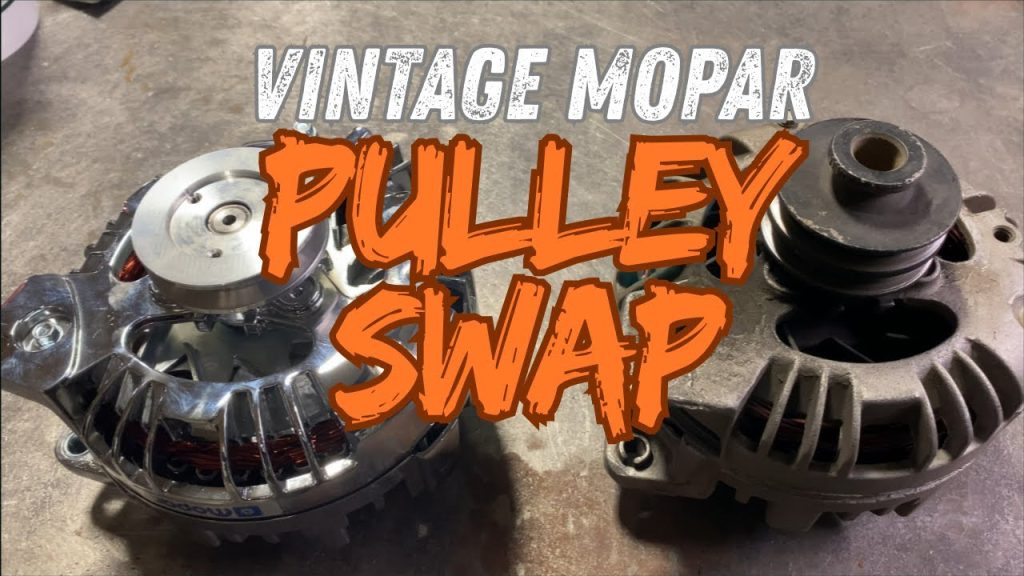
Struggling with a stubborn alternator pulley and don’t have the right tool? You’re not alone.
Removing an alternator pulley can seem tricky, especially when specialized tools are out of reach. But what if you could get the job done safely and effectively using simple items you already have? In this guide, you’ll discover easy, step-by-step methods to remove your alternator pulley without spending extra money or time hunting for tools.
Keep reading, and you’ll be able to tackle this task confidently and save yourself from costly repairs.
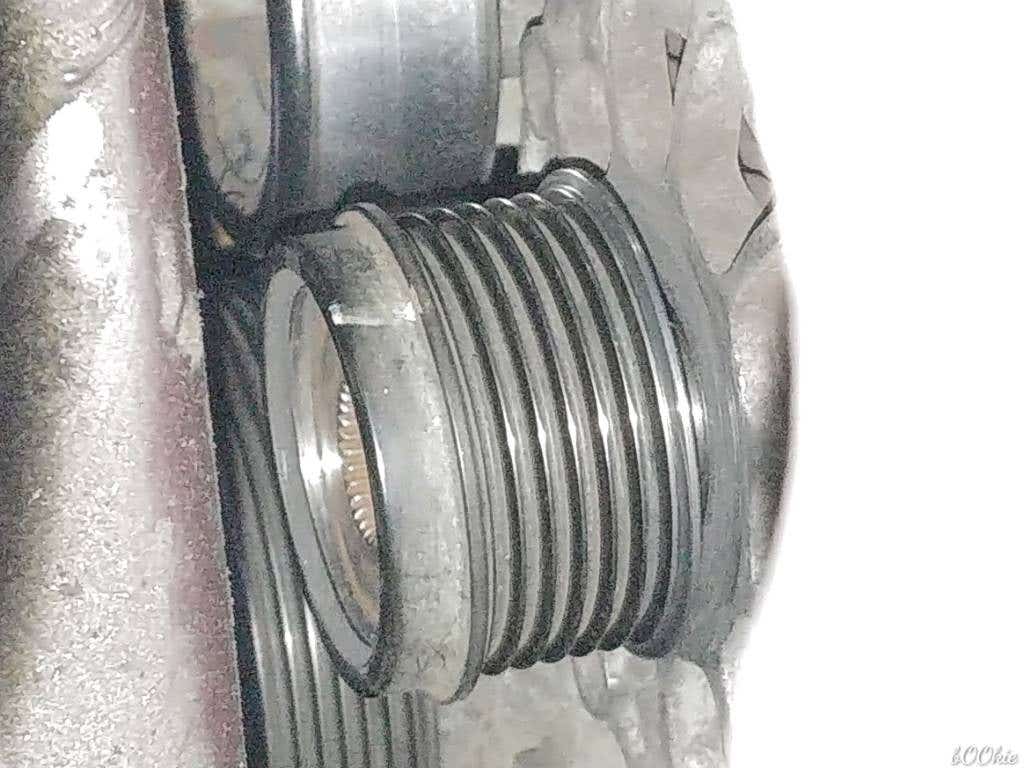
Credit: www.kia-forums.com
Signs Of A Faulty Alternator Pulley
The alternator pulley helps the alternator spin and generate electricity. If it breaks, the car’s battery can run down. You need to know the signs of a bad alternator pulley.
Spotting these signs early can save you from bigger car problems. Here are common signs to watch for.
Unusual Noises From The Engine
A faulty alternator pulley can make strange sounds. You might hear squealing, grinding, or rattling noises. These sounds come from the pulley not spinning smoothly.
- Squealing noise when starting the car
- Grinding sound while the engine runs
- Rattling noises near the alternator area
Battery Warning Light On Dashboard
The battery light may turn on if the alternator pulley is bad. This light shows the car is not charging the battery properly. It means the pulley might be slipping or stuck.
Do not ignore this warning light. It often means the alternator pulley needs attention.
Battery Keeps Dying
If your battery dies often, the alternator pulley could be the cause. The pulley helps the alternator charge the battery. A bad pulley stops this from happening well.
- Car struggles to start
- Battery needs frequent jump-starts
- Electrical parts work weakly
Visible Damage On The Pulley
Check the alternator pulley for cracks, dents, or wear. Damage can cause the pulley to fail. Look for signs of rust or loose parts too.
Damaged pulleys often cause the belt to slip or break.
Belt Slipping Or Coming Off
The alternator pulley keeps the belt tight. A bad pulley can make the belt slip or fall off. This stops the alternator from working.
- Frequent belt noise
- Visible belt movement or slipping
- Sudden loss of power to electrical parts
Credit: www.4btswaps.com
Risks Of Removing Pulley Without Proper Tools
Removing an alternator pulley without the right tools can be dangerous. It may cause damage to the pulley or alternator.
Understanding the risks helps you avoid costly repairs and safety problems.
Damage To The Alternator
Using improper tools can put pressure on the alternator housing. This may crack or bend parts inside the alternator.
Risk Of Personal Injury
Without the proper tool, the pulley may slip or suddenly release. This can cause hand injuries or eye damage.
Damaging The Pulley Itself
Improper removal can bend or break the pulley. This makes the pulley unusable and may require a costly replacement.
- Slipping tools can scratch or dent the pulley
- Excess force can warp the pulley shape
- Wrong angle may crack the pulley surface
Voiding Manufacturer Warranty
Removing the pulley without the correct tool may void your warranty. Manufacturers require proper tools for safe removal.
| Risk | Consequence |
|---|---|
| Alternator Damage | Costly repairs or replacement |
| Personal Injury | Cuts, bruises, or eye damage |
| Pulley Damage | Need for new pulley |
| Warranty Void | No coverage for future issues |
Safety Tips Before Starting
Removing an alternator pulley without a tool can be tricky. Safety is important to prevent injury or damage.
Always follow safety guidelines. Ensure you have the right setup before you begin.
Wear Protective Gear
Protective gear is necessary when working with car parts. Gloves and goggles are essential.
- Wear gloves to protect your hands
- Use goggles to shield your eyes
- Ensure clothing is snug to avoid catching
Disconnect The Battery
Always disconnect the battery before starting. This prevents electrical shocks or short circuits.
- Turn off the engine
- Remove the negative cable first
- Store cables away from metal parts
Secure The Vehicle
The vehicle must be stable. Use the right equipment to keep it steady.
- Use a jack to lift the vehicle
- Place jack stands under the frame
- Ensure the car is on a flat surface
Organize Your Tools
Have all necessary tools within reach. Organization saves time and increases safety.
- Gather all tools before starting
- Keep tools in a clean, accessible area
- Use a tool tray to prevent tools from rolling away
Read The Manual
The vehicle manual provides essential instructions. It helps you understand the alternator system.
- Review the alternator section
- Follow manufacturer guidelines
- Understand the pulley system layout
Diy Hacks To Remove Alternator Pulley
Removing an alternator pulley without a special tool can be tricky. You can use some simple methods with common tools.
These hacks help you safely remove the pulley without damaging parts. Try these easy DIY techniques.
Using A Hammer And Screwdriver
Place the screwdriver between the pulley and alternator body. Tap gently with the hammer to loosen the pulley. Do this carefully to avoid damage.
Applying Heat To Loosen The Pulley
Use a heat gun or blowtorch to warm the pulley. Heat expands the metal and helps loosen tight parts. Heat evenly and avoid overheating.
Leveraging A Belt Tensioner
The belt tensioner can help remove the pulley by releasing tension on the belt. Use a wrench to rotate the tensioner and slip off the belt from the pulley.
- Locate the belt tensioner pulley
- Use a wrench to rotate the tensioner
- Slip the belt off the alternator pulley
- Access the pulley for removal
Using A Wrench And Vice Grip
Hold the pulley steady with a vice grip. Use a wrench to turn the center bolt counterclockwise. This method can remove the pulley without a special tool.
Improvised Puller Methods
| Tool | Use | Tip |
|---|---|---|
| Screwdriver | Leverage under pulley edge | Tap lightly with hammer |
| Wrench | Turn center bolt | Hold pulley with vice grip |
| Heat Gun | Warm pulley | Heat evenly to expand metal |
Common Mistakes To Avoid
Removing an alternator pulley without a tool can be tricky. Many people make errors that damage parts or waste time.
Knowing what mistakes to avoid helps you do the job safely and faster. Here are some common errors to watch out for.
Using Excessive Force
Applying too much force can break the pulley or alternator shaft. It may also cause injury if tools slip.
Try gentle taps or gradual pressure instead of hard hits. This reduces the risk of damage.
Not Securing The Alternator
If the alternator moves while you try to remove the pulley, it becomes harder to loosen. It may also cause injury.
Hold the alternator steady by clamping it or using a helper to keep it still during removal.
Ignoring Safety Precautions
Not wearing safety glasses or gloves can lead to injuries. Small parts may fly off or sharp edges can cut you.
Always wear proper safety gear to protect your eyes and hands while working on the pulley.
Using Incorrect Tools
Using tools not designed for pulley removal can damage the pulley or alternator. It also wastes time.
Use simple items like a hammer and screwdriver carefully, but avoid forcing parts with wrong tools.
Skipping Lubrication
Trying to remove a stuck pulley without lubrication makes the job harder. It increases the chance of damage.
Apply some penetrating oil to loosen rust and dirt before you start removing the pulley.
Not Checking Pulley Direction
Some alternator pulleys tighten in the opposite direction. Turning the wrong way can lock it tighter.
Check the pulley’s thread direction before trying to remove it without a tool.
When To Seek Professional Help
Removing an alternator pulley without the right tool can be tricky. Sometimes, it is best to let a professional handle the job.
Knowing when to ask for help can save time and prevent damage to your vehicle.
Lack Of Proper Tools
If you do not have the correct tools to remove the alternator pulley, it is safer to seek professional help. Using the wrong tools can cause injury or damage to parts.
Complex Pulley Designs
Some alternator pulleys have complex designs that require special knowledge and equipment to remove. If you are unsure about the design, a mechanic can help.
Risk Of Damaging The Alternator
Improper removal may damage the alternator or pulley system. If you notice tight fittings or resistance, it is best to stop and call a professional.
Signs You Need Expert Assistance
- Pulley will not budge after reasonable effort
- Unusual noises or slipping when trying to remove
- Visible damage or wear on the pulley or alternator
- Unclear removal instructions or unfamiliar pulley type
- Lack of confidence in your mechanical skills
Costs And Time Considerations
| Scenario | Time Needed | Cost Risk |
| DIY without tools | Long | High |
| DIY with proper tools | Moderate | Medium |
| Professional mechanic | Short | Low |

Credit: icocea.org
Frequently Asked Questions
How Can I Remove An Alternator Pulley Without A Special Tool?
You can remove an alternator pulley by using a hammer and a punch carefully. Lock the pulley to prevent spinning. Then tap the pulley nut in reverse direction to loosen it. This method requires patience and caution to avoid damage.
Is It Safe To Remove The Pulley Without The Proper Tool?
Removing the pulley without the correct tool can be risky. It may damage the alternator or pulley if done incorrectly. Always proceed with caution and consider professional help if unsure. Safety and avoiding costly repairs are priorities.
What Household Items Can Help Remove An Alternator Pulley?
Common household tools like a hammer, punch, and locking pliers can assist. Use the pliers to hold the pulley steady. Then tap the nut with the hammer and punch carefully. This DIY method works but requires care to avoid damage.
How Long Does It Take To Remove A Pulley Without A Tool?
Removing the pulley without a proper tool can take 15 to 30 minutes. Time varies based on experience and pulley condition. Patience is key to avoid damaging parts during the process.
Conclusion
Removing an alternator pulley without a special tool is possible. It takes patience and the right steps. Use common items like wrenches and screwdrivers carefully. Always keep safety in mind while working on your car. This method saves money and helps in emergencies.
Practice makes the process easier over time. Try these steps slowly and stay calm. You can handle simple repairs on your own. This skill adds confidence to your car maintenance. Give it a try, and you will learn.