

Have you ever noticed those annoying scratches on your car’s paint and wished they would just disappear? Scratches can make your vehicle look old and neglected, even if it’s otherwise in great shape.
The good news is, you don’t have to live with them or rush to the body shop. You can restore your car’s shine and smooth finish right at home. You’ll discover simple, effective ways to remove scratches from your auto paint.
By the end, you’ll have the confidence and knowledge to bring back your car’s flawless look without spending a fortune. Keep reading to learn how to protect your investment and enjoy a car that looks as good as new.
Identify Scratch Types
Scratches on auto paint can look similar but need different care. Knowing the scratch type helps you fix it right.
Some scratches only touch the clear coat. Others go deeper into the paint or metal. Let’s learn how to spot them.
Surface Vs Deep Scratches
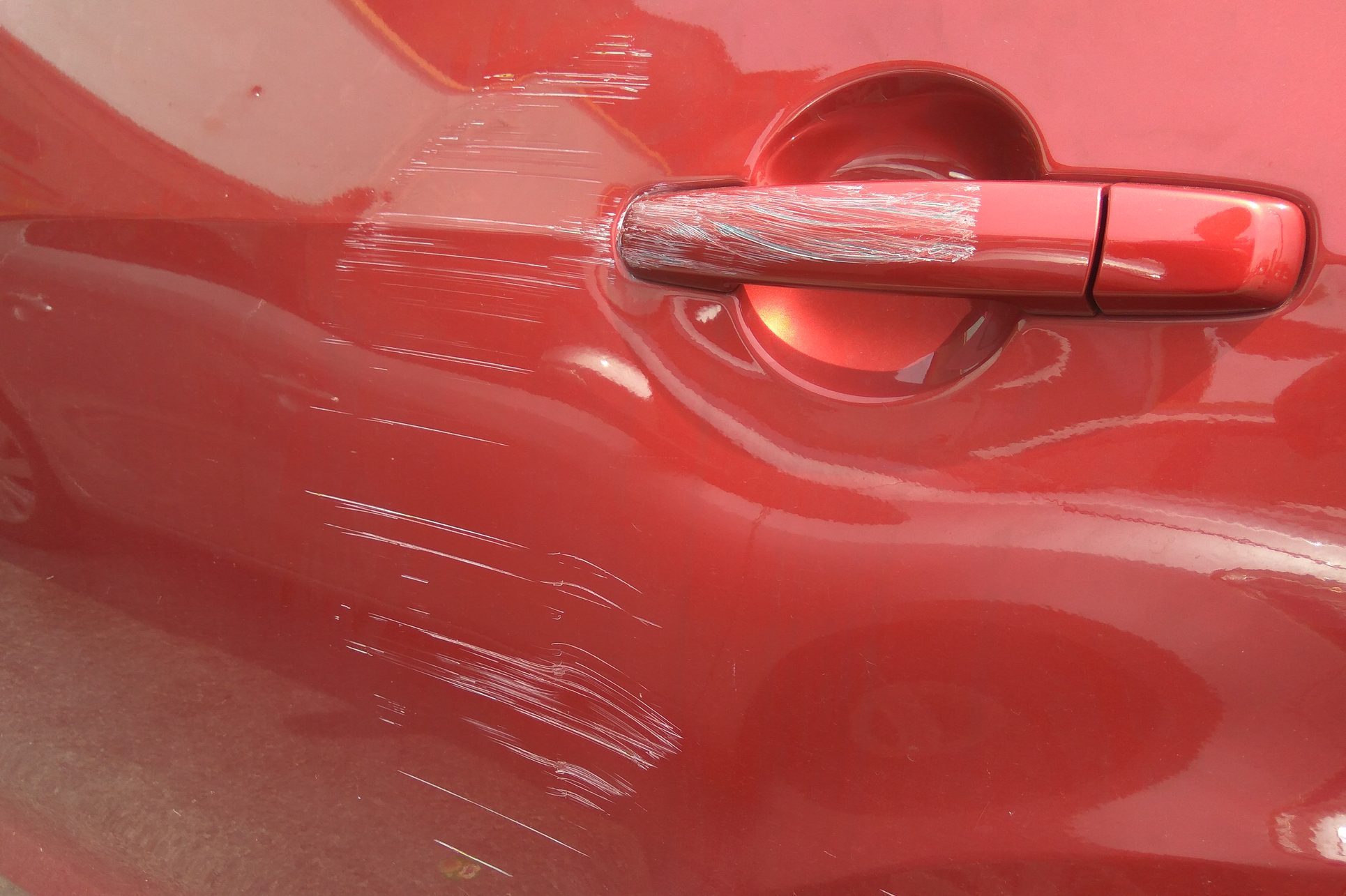
Surface scratches affect only the clear coat of the paint. They look like fine lines and feel smooth to touch.
Deep scratches cut through the clear coat and paint layers. You might see the primer or metal under the paint.
- Surface Scratches:Light, do not break the paint layer.
- Deep Scratches:Cut through paint, may show primer or metal.
Testing Scratch Depth
To test scratch depth, run your fingernail over it. If your nail catches, the scratch is deep.
If your nail does not catch, the scratch is likely on the surface and easier to fix.
- Clean the area before testing
- Run fingernail gently over scratch
- If nail catches, scratch is deep
- If nail glides smoothly, scratch is surface level
Credit: www.familyhandyman.com
Gather Necessary Tools
Removing scratches from auto paint needs the right tools. Using proper items helps fix paint without damage.
Before starting, collect all tools. This makes the repair process smoother and faster.
Scratch Removers And Polishing Compounds
Scratch removers help erase light scratches by smoothing the paint surface. Polishing compounds restore shine and remove small blemishes.
Choose the right product for the scratch depth. Some removers suit fine scratches, while compounds work on dull areas.
- Liquid scratch removers for light marks
- Polishing compounds for faded paint spots
- Abrasive creams for deeper scratches
Microfiber Cloths And Applicators
Microfiber cloths are soft and gentle on paint. They help apply products without causing new scratches.
Use different cloths for applying and buffing. Applicator pads spread the compounds evenly on the surface.
- Soft microfiber cloths for wiping and buffing
- Foam or sponge applicator pads for product use
- Separate cloths to avoid mixing polish and remover
Protective Gear
Protective gear keeps you safe while working on your car. Gloves stop chemicals from touching your skin.
Eye protection guards against splashes. A mask prevents inhaling dust or fumes during polishing.
- Nitrile gloves to protect hands
- Safety glasses or goggles for eyes
- Dust mask to avoid breathing particles
Prepare The Car Surface
Removing scratches from your car’s paint starts with a clean surface. Dirt and grime can cause more damage if not cleaned properly.
Proper preparation helps the repair products work better and last longer on your car.
Wash And Dry The Area
Start by washing the scratched area with mild car soap and water. Use a soft cloth or sponge to avoid adding new scratches.
- Rinse the area with water to remove loose dirt.
- Apply car soap with a soft cloth in gentle circular motions.
- Rinse thoroughly to remove all soap residues.
- Dry the surface with a clean microfiber towel to prevent water spots.
Remove Dirt And Debris
After washing, check the area for any remaining dirt or debris. Tiny particles can interfere with scratch removal.
| Tool | Use | Notes |
| Clay Bar | Remove embedded dirt | Use with lubricant for smooth gliding |
| Compressed Air | Blow out dust from crevices | Keep distance to avoid paint damage |
| Microfiber Cloth | Wipe loose debris | Use clean and dry cloth only |
Apply Scratch Removal Techniques
Scratches on your car’s paint can make it look old. You can fix small scratches at home. Use the right tools and steps to remove them safely.
Different scratches need different ways to fix. Some need gentle polish, others require more care. Learn how to use polishing compound, scratch remover, and wet sanding.
Using Polishing Compound
Polishing compound helps remove light scratches and swirl marks. It works by smoothing the clear coat on your car’s paint. Use a soft cloth or a polishing pad.
Apply a small amount of compound to the cloth. Rub it gently on the scratched area in small circles. Keep polishing until the scratch fades.
- Clean the area before polishing
- Use moderate pressure, not too hard
- Wipe off excess compound with a clean cloth
Rubbing With Scratch Remover
Scratch remover is a product made for small to medium scratches. It contains mild abrasives and fillers. These help to blend the scratch with the paint.
Put a little scratch remover on a microfiber cloth. Rub it over the scratch using firm, circular motions. Keep rubbing until the scratch becomes less visible.
- Test scratch remover on a small spot first
- Do not use on very deep scratches
- Clean the surface after applying
Wet Sanding For Deeper Scratches
Wet sanding works best for deep scratches that polishing cannot fix. Use fine grit sandpaper and water to avoid damaging the paint. This method smooths the area around the scratch.
Soak the sandpaper in water for 10 minutes. Sand the scratch gently in one direction. Keep the surface wet during sanding. After sanding, polish the area to restore shine.
- Use 1500 to 3000 grit wet sandpaper
- Work slowly and carefully
- Always keep the surface wet
- Finish with polishing compound
Polish And Wax For Protection
Removing scratches from auto paint needs more than just cleaning. Using polish and wax helps restore shine and protect the surface.
These products work together to make your car look smooth and guard it against future damage.
Enhancing Shine
Polish removes fine scratches and surface imperfections. It also evens out the paint’s finish to reflect light better.
- Apply polish with a soft cloth or machine.
- Work in small sections to cover all areas.
- Buff the surface until it looks smooth and shiny.
- Use polish products designed for your car’s paint type.
Adding A Protective Layer
Wax creates a barrier on the paint to protect it from dirt, water, and UV rays. It keeps your car looking clean longer.
| Wax Type | Protection Level | Application Time |
| Carnauba Wax | High Shine, Moderate Protection | Quick |
| Synthetic Wax | Long-lasting Protection | Moderate |
| Liquid Wax | Easy Application, Moderate Protection | Fast |
Apply wax after polishing for best results. Use a clean cloth and spread wax evenly. Let it dry, then buff to a shine.

Credit: www.amazon.com
Prevent Future Scratches
Scratches on your car can be frustrating. Keeping your car’s paint in good shape prevents rust and looks nice. Here are some ways to help prevent future scratches.
Regular Washing And Waxing
Washing your car often removes dirt and debris. This helps reduce the chance of scratches. Use a soft cloth and gentle soap for best results.
Waxing your car adds a protective layer. It helps to shield the paint from scratches. Wax your car every few months for good protection.
- Use a microfiber cloth for washing
- Apply wax in a shaded area
- Follow the wax instructions carefully
Safe Parking Habits
Where you park your car can affect its paint. Parking in a safe spot helps avoid scratches from other vehicles or objects.
Choose parking spaces that are away from shopping carts and busy areas. This reduces the risk of accidental damage.
- Park away from crowded areas
- Avoid parking under trees
- Use parking garages when possible
Using Car Covers
Car covers protect your vehicle from the environment. They shield the paint from dust, dirt, and potential scratches.
Choose a cover that fits your car well. A good fit prevents the cover from rubbing against the paint.
- Select a breathable car cover
- Ensure the cover fits snugly
- Use the cover when parked for long periods

Credit: www.amazon.com
Frequently Asked Questions
What Is The Best Way To Remove Minor Auto Paint Scratches?
The best way to remove minor scratches is by using a scratch remover compound. Apply it with a microfiber cloth and buff gently. This smooths the paint surface and hides the scratch effectively without needing professional help.
Can Diy Methods Fix Deep Scratches On Car Paint?
DIY methods can fix light scratches but not deep ones. For deep scratches, professional repair or repainting is often required. Using touch-up paint or filler kits can help temporarily but may not fully restore the surface.
How Long Does It Take To Remove Scratches From Auto Paint?
Removing minor scratches typically takes 15 to 30 minutes per section. The process includes cleaning, applying scratch remover, buffing, and polishing. Time varies depending on scratch severity and product used.
Are Scratch Removal Kits Safe For All Car Paint Types?
Most scratch removal kits are safe for standard car paints. However, always check the product label and test on a small area first. Using the wrong product can damage specialty or matte finishes.
Conclusion
Removing scratches from auto paint can save your car’s look and value. Small scratches often clean up with simple steps at home. Use the right tools and gentle methods to protect the paint. Regular care helps keep your car shiny and smooth.
Try fixing minor scratches soon to avoid bigger problems later. Taking time to maintain your car’s surface pays off in the long run. Keep your car looking fresh and well cared for every day.