

Are your lathe tools not cutting as smoothly as they used to? Dull tools can slow down your work, ruin your projects, and waste your precious time.
But sharpening your lathe tools doesn’t have to be complicated or frustrating. You’ll discover simple, step-by-step methods to bring your tools back to life. Imagine the satisfaction of clean cuts and perfect finishes every time you work. Keep reading, and you’ll learn how to sharpen your lathe tools quickly and effectively—so you can get back to creating with confidence.
Types Of Lathe Tools
Lathe tools come in different types. Each tool serves a unique purpose in shaping and cutting materials. Knowing these types helps in sharpening them correctly for better results.
Cutting Tools
Cutting tools are the most common lathe tools. They remove material from the workpiece to form shapes. These tools have sharp edges that must stay precise. Proper sharpening ensures clean cuts and longer tool life.
Boring Bars
Boring bars enlarge holes or create internal shapes. They work inside the material, not on the outside. Their cutting edges need careful sharpening to avoid rough finishes. Sharp boring bars improve accuracy and surface quality.
Threading Tools
Threading tools cut threads on screws or bolts. They require exact angles and sharpness for proper threading. Dull threading tools can ruin the thread pattern. Keeping these tools sharp is key for smooth, even threads.

Credit: www.youtube.com
Signs Of Dull Lathe Tools
Dull lathe tools affect your work and machine performance. Recognizing signs of dullness helps keep tools sharp and efficient. Watch for changes in the cutting process and finished parts. These signs tell you when it is time to sharpen your tools.
Poor Surface Finish
A dull lathe tool leaves rough and uneven surfaces. The finish looks scratched or torn instead of smooth. This happens because the tool cannot cut cleanly. The workpiece may show chatter marks or burns too.
Increased Cutting Resistance
Cutting feels harder and less smooth with dull tools. The machine needs more power to cut the material. You might hear unusual noises or see vibrations. This means the tool edge is no longer sharp and smooth.
Tool Wear Patterns
Look closely at the tool edge for signs of wear. Rounded or chipped tips show dullness. The tool may have built-up material on its surface. Uneven wear means the tool is not cutting properly and needs sharpening.
Choosing The Right Sharpening Equipment
Choosing the right sharpening equipment matters for lathe tools. Proper tools keep edges sharp and tools lasting longer. Different options suit different needs. Some work fast. Others offer more control. Understanding each type helps pick the best one for your work.
Grinding Wheels
Grinding wheels remove metal quickly. They work well for shaping and sharpening hard tools. Wheels come in various sizes and materials. Choose one that matches your tool’s metal. Use steady pressure to avoid overheating. Cooling with water keeps the tool safe. Grinding wheels are ideal for heavy sharpening jobs.
Sharpening Stones
Sharpening stones provide a smooth finish. They work slower but give more control. Stones come in different grits from coarse to fine. Start with coarse grit to shape the edge. Finish with fine grit to polish it. Stones are perfect for delicate sharpening and touch-ups. Keep stones wet or oiled for best results.
Diamond Files
Diamond files sharpen small or detailed areas. They have tiny diamond particles on the surface. These files cut metal evenly and last long. Use them to refine edges or fix small nicks. Diamond files are handy for quick repairs and precise sharpening. They are easy to handle and require little maintenance.
Sharpening Techniques For Lathe Tools
Sharpening lathe tools is key to getting clean, precise cuts. Good sharpening keeps tools effective and safe to use. This section explains essential techniques to sharpen lathe tools properly.
Follow these methods to improve tool life and get better results on your lathe projects.
Setting The Correct Angles
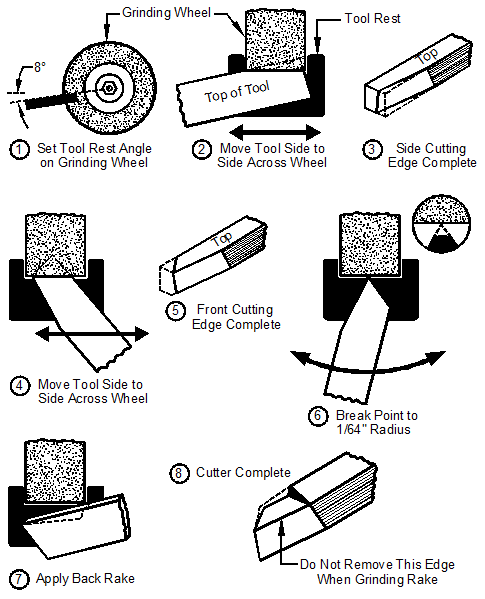
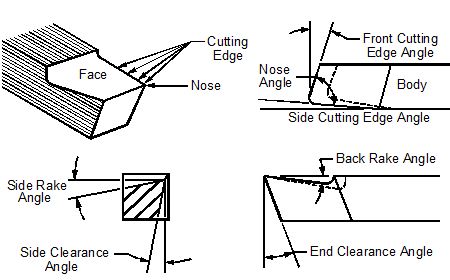
Each lathe tool needs a specific angle for its cutting edge. These angles affect how the tool cuts metal. Set the angle correctly on your grinder before sharpening. Use a protractor or angle guide for accuracy. Sharp edges at the right angle reduce wear and improve cutting speed.
Maintaining Tool Geometry
Tool geometry means the shape of the cutting edge and tool body. Keep this shape consistent when sharpening. Avoid changing the tool’s original design. Proper geometry helps control cutting forces and surface finish. Check the tool often during sharpening to keep the shape correct.
Using Jigs For Consistency
Jigs help hold the tool steady during sharpening. They keep the angle and position the same each time. Using jigs saves time and improves accuracy. A jig prevents mistakes and uneven edges. Consider buying or making a jig for your lathe tools.
Safety Tips During Sharpening
Sharpening lathe tools requires care and attention to safety. Sharp tools can cut metal cleanly but can also cause injury if handled incorrectly. Taking the right safety steps helps protect you from accidents and keeps the sharpening process smooth.
Protective Gear
Always wear safety glasses to shield your eyes from sparks and metal shards. Use gloves to protect your hands from sharp edges and heat. A dust mask helps avoid breathing in fine particles created during sharpening. Proper clothing, like long sleeves and closed shoes, adds extra protection.
Proper Tool Handling
Hold the tool firmly but avoid gripping too tight. Keep your hands clear of the grinding wheel. Move the tool steadily across the sharpener to prevent slips. Never force the tool; let the sharpener do the work. Check the tool’s position often to avoid mistakes.
Work Area Setup
Keep your workspace clean and organized. Remove any flammable materials from the area. Make sure the sharpener is stable and on a flat surface. Use bright lighting to see clearly. Keep a fire extinguisher nearby for emergencies. Ensure good ventilation to reduce dust and fumes.
Testing And Adjusting Sharpened Tools
Testing and adjusting sharpened lathe tools is a key step in tool maintenance. It ensures tools cut smoothly and last longer. Proper testing helps find any flaws in the sharpening process. Adjusting the tool after testing improves its performance and finish quality.
Trial Cuts
Start with small trial cuts on scrap material. Watch how the tool cuts the wood or metal. Look for smooth cuts without chatter or rough edges. Trial cuts show if the tool’s edge is sharp enough. Adjust the angle or sharpen more if cuts are rough.
Measuring Tool Performance
Check the tool’s performance by measuring the cut surface. Use a micrometer or caliper for accuracy. Measure the depth and smoothness of the cut. Compare results to desired specifications. Good performance means clean, even cuts with minimal force.
Fine-tuning Edges
Make small adjustments to the tool edge after testing. Use a fine stone or honing wheel for precision. Remove tiny burrs and smooth the edge carefully. Fine-tuning improves tool life and cutting quality. Repeat testing and tuning until the tool cuts perfectly.
Maintaining Sharpness For Longer
Keeping lathe tools sharp is key for smooth work and long tool life. Sharp tools cut better and reduce damage to your projects. Simple care habits can help tools stay sharp longer and save you time.
Regular Cleaning
Clean lathe tools after each use. Remove dust, metal chips, and oil with a soft cloth. Dirt and debris can dull the cutting edge. Use a brush for hard-to-reach spots. Clean tools cut cleaner and last longer.
Proper Storage
Store tools in a dry place to stop rust. Use a toolbox or a tool rack to keep them safe. Avoid piling tools on top of each other. Keep cutting edges covered or protected. Good storage prevents damage and keeps edges sharp.
Routine Inspections
Check your tools often for chips or dull spots. Look closely at the cutting edge under good light. Early spotting of damage helps fix tools before serious wear. Fixing small problems keeps tools sharp and ready to use.
Credit: www.metalartspress.com

Credit: www.youtube.com
Frequently Asked Questions
How Often Should I Sharpen Lathe Tools?
Sharpen lathe tools whenever they show dullness or poor cutting. Regular sharpening maintains precision and extends tool life. Check tools before each use for optimal performance.
What Is The Best Angle For Sharpening Lathe Tools?
The best sharpening angle is typically between 25 to 30 degrees. This angle balances sharpness and durability for effective cutting. Adjust angles based on tool type and material.
Can I Sharpen Lathe Tools Without A Grinder?
Yes, you can sharpen lathe tools using a sharpening stone or file. These methods require more time but allow precise control. Ensure consistent angles and smooth edges.
What Safety Precautions Are Needed When Sharpening Lathe Tools?
Always wear safety goggles and gloves to protect from sparks and debris. Work in a well-ventilated area and secure the tool firmly. Avoid loose clothing near the grinder.
Conclusion
Sharpening lathe tools keeps your work precise and clean. Regular sharpening saves time and improves tool life. Use the right angle and steady pressure while sharpening. Check the edge often to avoid over-sharpening. Clean the tool after sharpening to remove debris.
Practice makes perfect, so sharpen tools carefully each time. This simple skill helps you get better results with less effort. Keep your tools sharp, and your projects will look great.