

Are your wood lathe tools losing their edge? Dull tools can make your work harder and slow down your progress.
But what if you could sharpen them quickly and easily, right at home? In this guide, you’ll discover simple steps to bring your tools back to life. Imagine slicing through wood smoothly and effortlessly every time you work. Keep reading, and you’ll learn exactly how to sharpen your wood lathe tools like a pro—saving you time, money, and frustration.
Your next perfect project starts with a sharp tool.
Choosing The Right Sharpening Tools
Choosing the right sharpening tools is key for keeping your wood lathe tools sharp and effective. The right tools make sharpening easier and help you get a clean, smooth edge. Different tools suit different needs and skill levels. This section explains common sharpening tools and how to use them well.
Types Of Sharpening Stones
Sharpening stones are popular for their simplicity and control. They come in different materials like oil stones, water stones, and diamond stones. Water stones are fast and easy to use but wear down quicker. Oil stones last longer but need oil to work well. Diamond stones are tough and sharp fast. Choose a stone based on how often you sharpen and your budget.
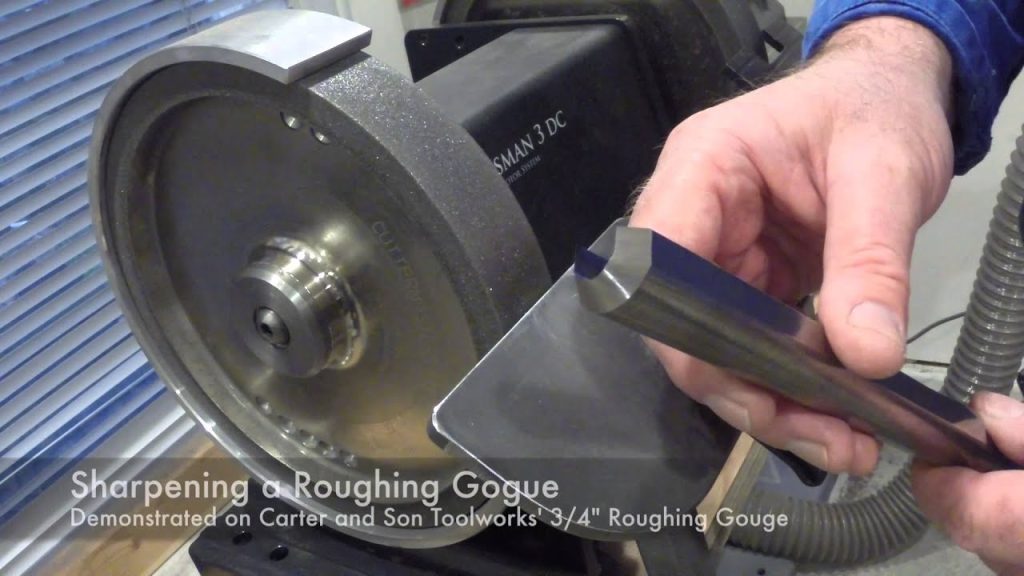
Using Grinding Wheels
Grinding wheels are fast and good for shaping tools. They work by spinning and removing metal quickly. Use a fine-grit wheel for finishing and a coarse wheel for reshaping. Be careful not to overheat the tool, or it can lose its hardness. Cool the tool in water often while grinding. A steady hand helps keep the edge even.
Additional Sharpening Accessories
Besides stones and wheels, other accessories help with sharpening. Honing guides keep your tool at the right angle. Leather strops polish the edge and remove burrs. Sharpening jigs hold tools steady for consistent results. These accessories improve accuracy and make sharpening faster. They are useful for beginners and experienced woodworkers alike.

Credit: www.woodturningbasics.com
Preparing Your Tools And Workspace
Preparing your tools and workspace is the first step in sharpening wood lathe tools. A clean and organized area helps you work safely and efficiently. Proper preparation saves time and improves the quality of your sharpening.
Cleaning The Tools
Start by removing dirt, resin, and rust from your lathe tools. Use a wire brush or steel wool for stubborn spots. Clean tools sharpen better and give smoother results. Wipe the tools with a cloth to remove dust and particles before sharpening.
Setting Up A Safe Sharpening Area
Choose a well-lit space with good ventilation. Make sure the surface is sturdy and stable. Keep the area free from clutter to avoid accidents. Wear safety glasses and gloves to protect yourself during sharpening.
Gathering Necessary Materials
Collect all materials before you start. You will need sharpening stones or a grinder, honing oil or water, and a tool rest. Have a clean cloth and a small brush nearby for cleaning after sharpening. Preparing these items helps maintain focus and flow.
Sharpening Techniques For Wood Lathe Tools
Sharpening wood lathe tools keeps them working well and safe. Dull tools make rough cuts and can cause accidents. Good sharpening skills save time and improve your work’s quality. Different tools need different sharpening methods. Using the right technique helps keep the tools sharp longer and cuts smoother.
Maintaining The Proper Angle
Keep the tool at the correct angle while sharpening. This angle depends on the tool type and use. Holding the wrong angle can ruin the tool’s edge. Use guides or jigs to keep angles steady. A steady hand helps keep the angle consistent. Check the tool often to avoid over-sharpening.
Using Water Or Oil As Lubricants
Lubricants stop the tool from overheating during sharpening. Water cools tools quickly and is easy to use. Oil works better for some grinding wheels and tools. Use just enough lubricant to keep the surface wet. Too much can make the tool slippery. Cooling prevents damage and keeps edges sharp.
Sharpening Different Tool Types
Each wood lathe tool needs a special sharpening approach. Gouges need a round edge, so keep a curved shape. Skew chisels require a sharp, flat edge for clean cuts. Parting tools need a thin, sharp edge to cut wood well. Use the right stone or wheel for each tool type. Check edges regularly and sharpen before they get dull.
Testing And Refining The Edge
Testing and refining the edge is a key step in sharpening wood lathe tools. It ensures the tool cuts smoothly and safely. A sharp edge gives better results and saves time. This part focuses on checking the sharpness, fine-tuning the bevel, and avoiding common mistakes. Each step helps maintain the tool’s performance and extends its life.
Checking Sharpness
Start by feeling the edge carefully with your finger. A sharp edge feels smooth and thin. Avoid pressing too hard to prevent cuts. Another method is to use a piece of soft wood. Try cutting or shaving the wood lightly. A sharp tool will cut cleanly without much effort. Dull tools will tear or crush the wood fibers.
Use a magnifying glass to see the edge closely. Look for any nicks or dull spots. A perfect edge should be even and smooth. If you notice rough areas, it needs more sharpening. Testing sharpness often helps catch problems early.
Fine-tuning The Bevel
The bevel angle affects cutting efficiency and tool control. Adjust the angle by grinding lightly on the sharpening stone. Keep the angle consistent for best results. Use gentle, smooth strokes to avoid overheating the metal. Cool the tool often by dipping it in water.
Fine-tuning the bevel improves the edge’s strength and sharpness. Small changes can make a big difference in cutting performance. After each adjustment, test the sharpness again. Repeat this process until the edge meets your standards.
Avoiding Common Mistakes
Do not sharpen too quickly. Rushing can cause uneven edges or damage. Avoid grinding the tool at a wrong angle. This weakens the edge and reduces control. Keep the tool steady and use light pressure.
Never forget to cool the tool regularly. Overheating can ruin the temper of the metal. Avoid removing too much material. Sharpen only as much as needed to restore the edge. Careful sharpening saves time and keeps the tool in good shape.
Tips For Prolonging Tool Sharpness
Keeping wood lathe tools sharp saves time and effort. Sharp tools cut cleanly and safely. Follow simple tips to keep tools sharp longer. These tips help you avoid frequent sharpening sessions. They also protect your tools from damage.
Proper Tool Storage
Store tools in a dry place to stop rust. Use a tool rack or box with dividers. Keep edges from touching hard surfaces. Cover sharp edges with guards or tape. Avoid clutter to prevent nicks and chips.
Regular Maintenance Routines
Clean tools after each use to remove wood dust and resin. Wipe blades with a dry cloth. Check edges for dull spots or damage. Hone tools lightly with a sharpening stone. Keep the tool rest smooth and clean.
Handling During Woodturning
Hold tools firmly but gently to avoid slipping. Use slow, steady cuts instead of forcing tools. Avoid digging the tool deep into the wood. Let the sharp edge do the work. Stop and sharpen tools before they get too dull.

Credit: www.youtube.com
Credit: carterandsontoolworks.com
Frequently Asked Questions
How Often Should I Sharpen Wood Lathe Tools?
Sharpen wood lathe tools whenever they become dull or cut poorly. Regular sharpening improves precision and safety. For frequent users, sharpening every few hours of use is ideal. Always check the cutting edge before starting a project to ensure smooth performance.
What Is The Best Angle To Sharpen Lathe Tools?
The optimal sharpening angle for wood lathe tools is typically between 25 and 30 degrees. This angle balances sharpness and durability, allowing clean cuts without damaging the edge. Adjust the angle slightly based on the specific tool type and wood hardness.
Can I Use A Bench Grinder For Sharpening?
Yes, a bench grinder is effective for sharpening lathe tools if used carefully. Maintain the correct angle and avoid overheating the tool by dipping it in water. Use a fine-grit wheel for the best edge finish and control.
Should I Use Honing Stones After Grinding?
Honing stones are recommended after grinding to refine the cutting edge. They remove burrs and create a smoother, sharper finish. Using honing stones increases tool life and enhances cutting accuracy on your wood lathe projects.
Conclusion
Sharpening wood lathe tools keeps them effective and safe to use. Regular sharpening makes your work cleaner and easier. Use the right angle and tools to get the best edge. Take time to check your tool often and sharpen when needed.
Sharp tools give better control and help create smooth shapes. Keep practicing these steps to improve your woodturning skills. A sharp tool saves time and makes your projects more enjoyable. Remember, small efforts lead to great results in woodturning.