

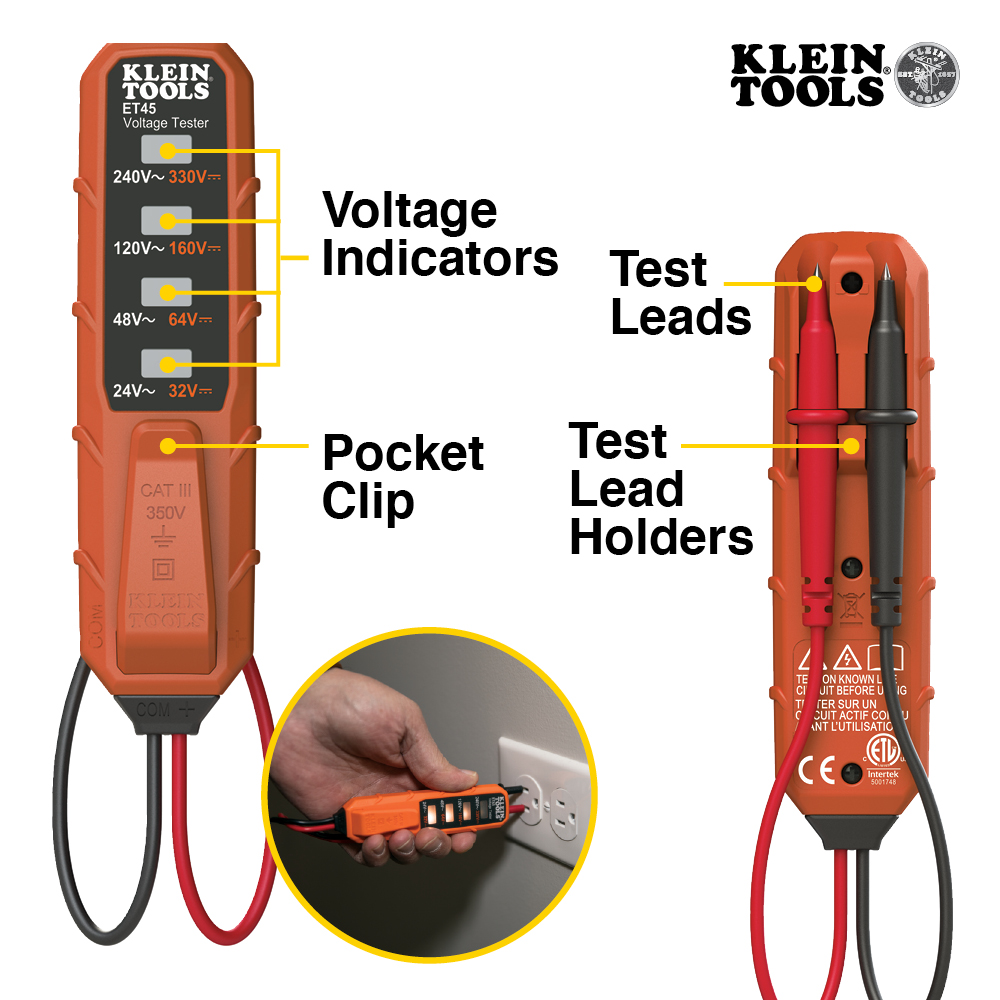
If you work with electrical wiring or just want to stay safe around your home’s circuits, knowing how to use a Klein Tools voltage tester is a must. This simple tool can protect you from shocks and help you quickly find live wires.
But if you’ve never used one before, it might seem tricky or confusing. Don’t worry—this guide will walk you through every step, so you can test voltage confidently and keep your projects safe. Ready to take control of your electrical work?
Let’s get started.

Credit: www.kleintools.co.uk
Choosing The Right Voltage Tester
Choosing the right voltage tester is important for safety and accuracy. Klein Tools offers many types of testers. Each one fits different tasks and needs. Knowing the options helps you pick the best tool for your job. This guide explains the types and key features to consider.
Types Of Klein Tools Voltage Testers
Non-contact voltage testers detect voltage without touching wires. They are safe and easy to use. Pen testers are small and fit in your pocket. They beep or light up if voltage is present.
Contact voltage testers need to touch the wire or terminal. They show voltage levels on a screen or dial. These testers can measure AC and DC voltage.
Multimeters are advanced testers that measure voltage, current, and resistance. Klein Tools offers digital multimeters with clear displays. They are good for complex electrical work.
Features To Consider
Look for testers with a clear display or bright LED lights. This helps you see results quickly, even in low light. Auto-ranging testers select the correct voltage range automatically. This makes testing faster and easier.
Choose testers with a sturdy design and good grip. Klein Tools testers often have durable cases that resist drops. Battery life is important; longer life means less downtime.
Check if the tester has safety ratings like CAT III or CAT IV. These ratings show the tester can handle high energy environments safely. Choose one that matches your work conditions.
Preparing For Safe Testing
Preparing for safe testing is the first step to use a Klein Tools voltage tester correctly. Safety must be your top priority before you start any electrical work. Taking some simple precautions can protect you from electric shocks and accidents.
Wearing Protective Gear
Always wear the right protective gear before testing voltage. Use insulated gloves to keep your hands safe from electric current. Wear safety glasses to protect your eyes from sparks or debris. Avoid loose clothing or jewelry that can catch on wires. Proper gear reduces the risk of injury during testing.
Checking Tester Condition
Inspect your voltage tester carefully before use. Look for cracks or damage on the tester body. Check the test leads for exposed wires or wear. Ensure the tester’s batteries have enough power to give accurate readings. A damaged or weak tester can cause false results and increase danger.
Step-by-step Testing Process
Testing voltage safely is key for any electrical task. Follow these simple steps to use a Klein Tools voltage tester correctly. This process helps avoid shocks and ensures accurate readings. Each step is easy to follow, even for beginners.
Turning Off Power Sources
Start by switching off the power at the main breaker. This stops electricity flow and keeps you safe. Use a circuit tester to check if power is really off. Never trust just the switch; confirm no current is present. Safety first.
Using The Voltage Tester Correctly
Hold the tester by its insulated handle. Touch the tester’s probe to the wire or terminal you want to test. Keep your fingers away from metal parts. Watch the tester’s indicator light or display carefully. Follow the device’s instructions for the best results.
Interpreting Test Results
A lit indicator means voltage is present. No light usually means no voltage, but double-check. Some testers beep or show numbers for extra confirmation. Use these signals to decide if it’s safe to work. Always test more than once for accuracy.

Credit: www.kleintools.com
Common Mistakes To Avoid
Using a Klein Tools voltage tester is simple, but many users make avoidable mistakes. These errors can lead to false readings or even dangerous situations. Understanding common mistakes helps you use the tester safely and correctly.
Ignoring Tester Calibration
Calibration ensures the tester shows accurate voltage levels. Ignoring this step can cause wrong readings. Always check calibration before starting any test. Some testers need regular calibration to stay precise. Using an uncalibrated tester risks missing live wires or detecting voltage where there is none.
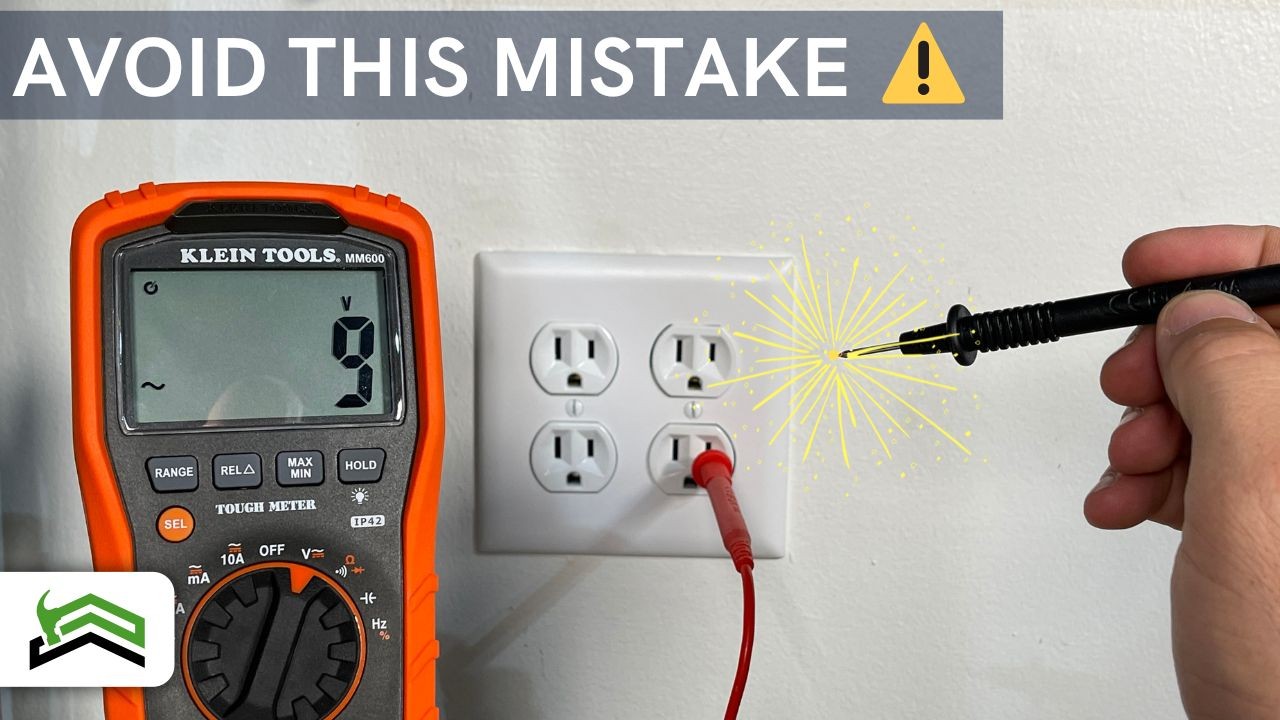
Testing Live Wires Improperly
Testing live wires requires care and correct technique. Touching the wrong part or using the tester incorrectly can cause electric shock. Always hold the tester by the insulated handle. Avoid touching metal parts during testing. Place the tester tip firmly on the wire or contact point. Improper testing can damage the tester or cause injury.
Maintaining Your Voltage Tester
Maintaining your Klein Tools voltage tester helps it work well for a long time. Proper care keeps the tester accurate and safe. Small actions can prevent damage and extend its life.
Cleaning And Storage Tips
Always clean the tester after use. Wipe it with a dry cloth to remove dust and dirt. Avoid using water or chemicals that can harm the device. Store the tester in a dry, cool place away from sunlight. Keep it in its case or pouch to protect it from drops and scratches.
When To Replace Your Tester
Replace the tester if it shows signs of damage. Cracks, loose parts, or worn wires reduce safety and accuracy. If the tester gives false readings or does not turn on, it needs replacement. Regularly check the tester before use to ensure it works correctly. Do not take risks with faulty tools.
Credit: www.youtube.com
Frequently Asked Questions
How Do I Use A Klein Tools Voltage Tester Safely?
To use a Klein Tools voltage tester safely, always wear protective gear and ensure the tester is in good condition. Test on a known live circuit first to verify functionality. Follow the manufacturer’s instructions carefully and avoid contact with exposed wires during testing.
Can Klein Tools Voltage Testers Detect Ac And Dc Voltage?
Yes, Klein Tools voltage testers can detect both AC and DC voltage. Always check the tester’s specifications to confirm voltage range compatibility. This feature makes them versatile for various electrical testing tasks in residential and commercial settings.
What Voltage Range Can Klein Tools Testers Measure?
Klein Tools voltage testers typically measure voltage ranges from 12V to 1000V AC/DC. Always verify your specific model’s range in the user manual. This wide range allows safe testing of most household and industrial electrical circuits.
How Do I Know If My Klein Tools Tester Is Working?
Test the Klein Tools voltage tester on a known live circuit before use. If the tester lights up or beeps as expected, it is working properly. Regular testing ensures accurate readings and prevents false negatives during electrical work.
Conclusion
Using a Klein Tools voltage tester keeps you safe and confident. Always check the device before starting any electrical work. Follow the steps carefully to get accurate results. This tester helps you find live wires fast and easily. Keep practicing to become comfortable using it every time.
Safety and accuracy matter most in electrical tasks. Trust your tester to guide you well. Stay cautious, and work smart.