

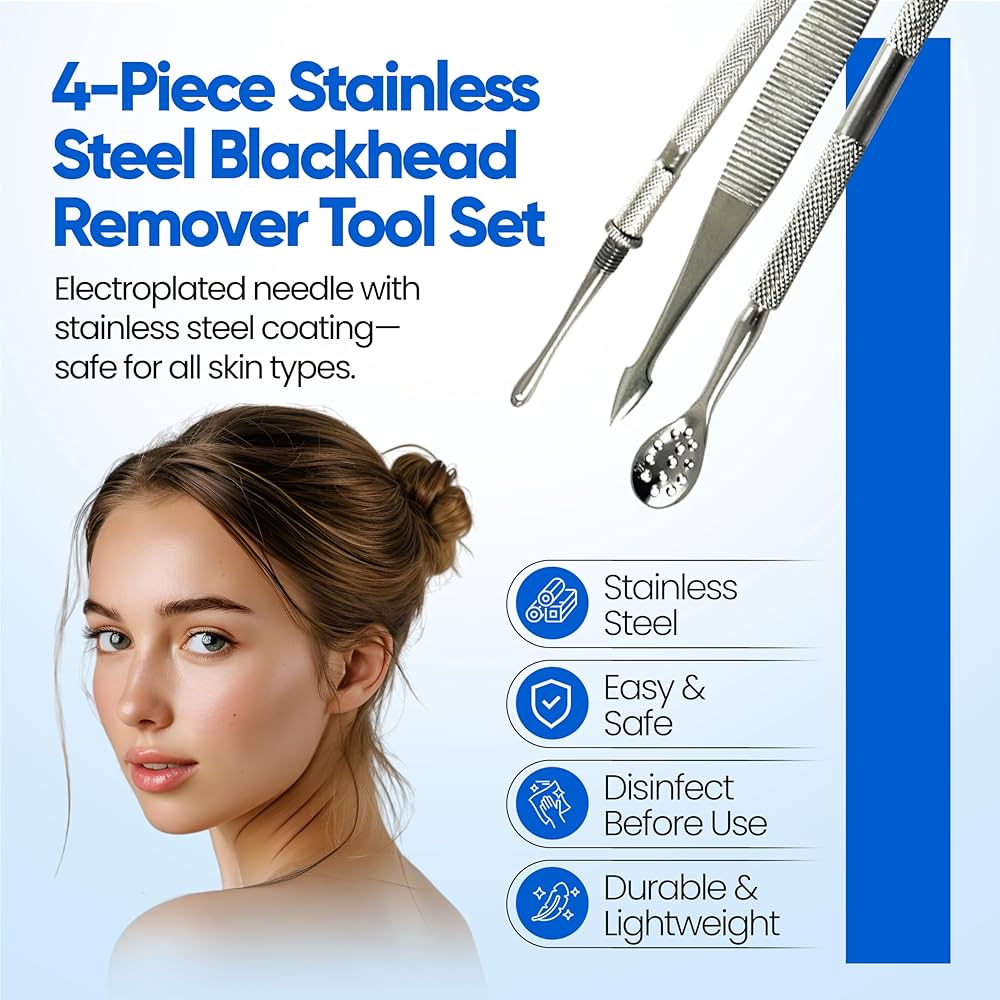
Are you tired of stubborn blackheads that just won’t go away? You might be thinking about using a blackhead remover tool to clear your skin quickly.
But before you grab one, you probably wonder: is this tool really safe for your skin? Using the wrong method can cause irritation or even damage, and no one wants that. You’ll discover the truth about blackhead remover tools—how they work, the risks involved, and how to use them safely to get the clear skin you deserve.
Keep reading to find out everything you need to know before trying one yourself.
Blackhead Remover Tools Explained
Blackhead remover tools help clear clogged pores on the skin. They come in various shapes and sizes. Using the right tool can improve skin appearance safely.
This guide explains different types of blackhead removers. It also shows how these tools work to remove blackheads effectively.
Types Of Blackhead Removers
- Loop Extractors: Metal loops that press around the blackhead to push it out.
- Comedone Extractors: Small tools with a loop or spoon shape to remove blackheads gently.
- Vacuum Devices: Use suction to pull out blackheads from pores.
- Needle Extractors: Fine needles to carefully open clogged pores before extraction.
- Silicone Brushes: Soft brushes that exfoliate skin and clear pores.
How These Tools Work
| Tool Type | Method | Safety Tips |
| Loop Extractor | Presses skin around blackhead | Clean tool before and after use |
| Vacuum Device | Uses suction to pull out debris | Do not use too long on one spot |
| Needle Extractor | Pierces skin to open pore | Use only on visible blackheads |
| Silicone Brush | Exfoliates and cleans pores | Use gentle pressure |
Most tools work by applying gentle pressure or suction. This clears the pore of dirt and oil without damaging the skin. Proper cleaning of tools reduces infection risk.

Credit: www.yahoo.com
Safety Concerns To Consider
Using a blackhead remover tool can help clear your skin. It is important to use it safely to avoid problems.
Improper use can cause skin damage or infections. Knowing the risks helps keep your skin healthy.
Potential Skin Damage
Pressing too hard with the tool can hurt your skin. This may cause redness, swelling, or bruises.
Using the tool on inflamed or broken skin can make damage worse. Avoid using it on pimples or irritated areas.
- Do not press too hard
- Avoid using on inflamed skin
- Use gentle, slow pressure
- Clean skin before use
Risk Of Infection
Blackhead remover tools can spread bacteria if not cleaned well. This can cause infections or worsen acne.
Sharing your tool with others also raises infection risk. Always clean it before and after use.
- Disinfect tool before and after use
- Do not share your tool
- Wash your hands before use
- Use on clean skin only
Expert Tips For Safe Use
Using a blackhead remover tool can clear your skin safely. You must follow good steps to avoid damage. This guide covers how to prepare, use, and care for your skin.
Keep your skin healthy by handling the tool with care. Learn simple tips to make your routine safe and effective.
Preparing Your Skin
Clean your face well before using the tool. Open your pores to make blackhead removal easier and less painful.
- Wash your face with warm water and gentle cleanser.
- Use a warm towel on your face for 5 to 10 minutes.
- Optional: Take a warm shower to soften the skin.
- Dry your face gently with a clean towel.
Proper Technique
Use the tool carefully to avoid skin damage. Press lightly and avoid digging into the skin.
| Do | Don’t |
| Hold the tool at a 45-degree angle | Push too hard or use sharp force |
| Clean the tool before and after use | Use the tool on inflamed or broken skin |
| Work on one blackhead at a time | Try to remove deep or cystic acne |
Aftercare Steps
Treat your skin gently after using the remover tool. This helps prevent irritation and infection.
- Rinse your face with cool water to close pores.
- Apply a soothing toner or aloe vera gel.
- Use a light, non-comedogenic moisturizer.
- Avoid heavy makeup for at least 24 hours.
- Disinfect the tool before storing it.

Credit: www.amazon.sa
When To Avoid Using Tools
Blackhead remover tools can help clear pores, but they are not always safe to use. Using these tools at the wrong time can harm your skin.
It is important to know when to avoid using blackhead remover tools to protect your skin from damage and irritation.
Skin Conditions That Increase Risks
Some skin problems make using blackhead remover tools unsafe. These conditions can make your skin more sensitive and prone to injury.
If you have any of these skin conditions, avoid using tools to remove blackheads:
- Active acne with open sores
- Rosacea causing redness and swelling
- Skin infections or rashes
- Eczema or psoriasis
- Sunburned or irritated skin
Alternatives For Sensitive Skin
Sensitive skin needs gentle care. Using harsh tools can cause redness and pain.
Try these safe ways to clear blackheads without tools:
- Use mild facial cleansers daily
- Apply gentle exfoliants with soft grains
- Try chemical exfoliants like salicylic acid
- Use clay masks to absorb excess oil
- Keep skin moisturized with gentle products
Choosing The Right Tool
Using a blackhead remover tool can keep your skin clear and smooth. Choosing the right tool is essential for safety and effectiveness.
Focus on the material and design to ensure you select a high-quality tool that suits your skin type.
Material And Design
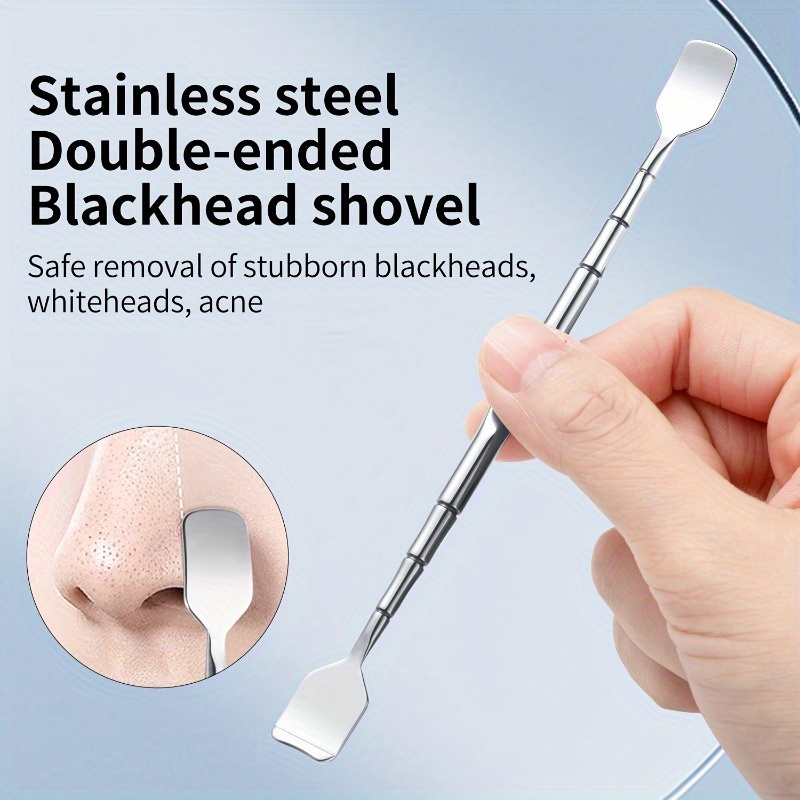
The material of the tool affects its durability and safety. Stainless steel is often recommended because it is easy to clean and resistant to rust.
- Look for tools made from stainless steel.
- Avoid plastic tools as they may break easily.
- Consider tools with a non-slip grip for better control.
Quality Indicators
Quality indicators help you find a reliable blackhead remover tool. Check for these features to make a smart choice.
| Feature | Importance |
| Stainless Steel | Durability and hygiene |
| Non-Slip Grip | Precision and control |
| Rounded Tips | Safety for the skin |
Credit: www.temu.com
Maintaining Your Blackhead Remover
Keeping your blackhead remover clean and stored properly helps it last longer. Proper care also keeps your skin safe from bacteria.
Learn how to clean and store your tool to use it safely every time.
Cleaning Procedures
Clean your blackhead remover after each use. This stops germs from spreading on your skin.
Use warm water and soap to wash the tool. Dry it fully before storing.
- Rinse the tool under warm water
- Use antibacterial soap or rubbing alcohol
- Scrub gently with a clean brush if needed
- Rinse again to remove soap
- Dry with a clean towel or air dry
Storage Tips
Store your blackhead remover in a dry and clean place. Avoid moist areas that can cause rust or bacteria growth.
Keep it in a protective case or container to stop damage and dust buildup.
- Use a small box or pouch for storage
- Keep it away from bathroom humidity
- Store in a place where children cannot reach
- Check the tool regularly for signs of wear
Other Effective Blackhead Treatments
Blackheads can be stubborn, but there are various ways to treat them. Some methods are gentle and effective.
Besides tools, there are topical products and professional procedures that help clear blackheads.
Topical Products
Topical products are applied to the skin to reduce blackheads. They often contain active ingredients.
These ingredients help dissolve oil and dead skin cells, preventing blockages in pores.
- Salicylic acid unclogs pores by exfoliating dead skin cells.
- Benzoyl peroxide kills bacteria and reduces inflammation.
- Retinoids promote skin cell turnover and prevent clogged pores.
Professional Procedures
Some procedures are done by skincare professionals. They offer deeper cleansing than at-home treatments.
These procedures can be more effective for persistent blackheads and provide long-lasting results.
- Microdermabrasion removes dead skin with a special device.
- Chemical peels use acids to exfoliate the top layer of skin.
- Laser therapy targets oil glands to reduce blackheads.
Frequently Asked Questions
Are Blackhead Remover Tools Safe For All Skin Types?
Blackhead remover tools can be safe for most skin types if used correctly. Sensitive skin may require extra caution to avoid irritation. Always sanitize the tool before use and avoid excessive pressure to prevent skin damage.
How Often Should I Use A Blackhead Remover Tool?
It is best to use blackhead remover tools once or twice a week. Overuse can cause skin irritation and damage. Consistent but gentle use helps maintain clear pores without harming the skin.
Can Blackhead Remover Tools Cause Skin Damage?
Improper use of blackhead remover tools can lead to skin damage. Applying too much pressure or using unclean tools may cause redness, bruising, or infection. Proper technique and hygiene are essential to avoid these risks.
Should I Clean My Blackhead Remover Tool After Each Use?
Yes, cleaning your blackhead remover tool after every use is crucial. Use alcohol or warm soapy water to disinfect the tool. This prevents bacteria buildup and reduces the risk of skin infections.
Conclusion
Using a blackhead remover tool can be safe if used with care. Clean the tool before and after every use to avoid infection. Press gently and do not force it on your skin. Stop if you feel pain or notice redness.
Cleanse your face afterward and apply moisturizer. Remember, tools work best when combined with good skincare habits. Consult a dermatologist for persistent skin issues. Safety and patience matter most in removing blackheads effectively.