

Are you ready to take your woodworking projects to the next level? Having the right power tools can make all the difference between a frustrating experience and smooth, precise work.
Whether you’re just starting out or looking to upgrade your workshop, knowing which power tools you must have is key to saving time, improving your skills, and creating beautiful pieces. You’ll discover the essential power tools that every woodworker needs.
Keep reading, and you’ll soon have the confidence to tackle any project with ease and accuracy.
Basic Power Tools For Woodworking
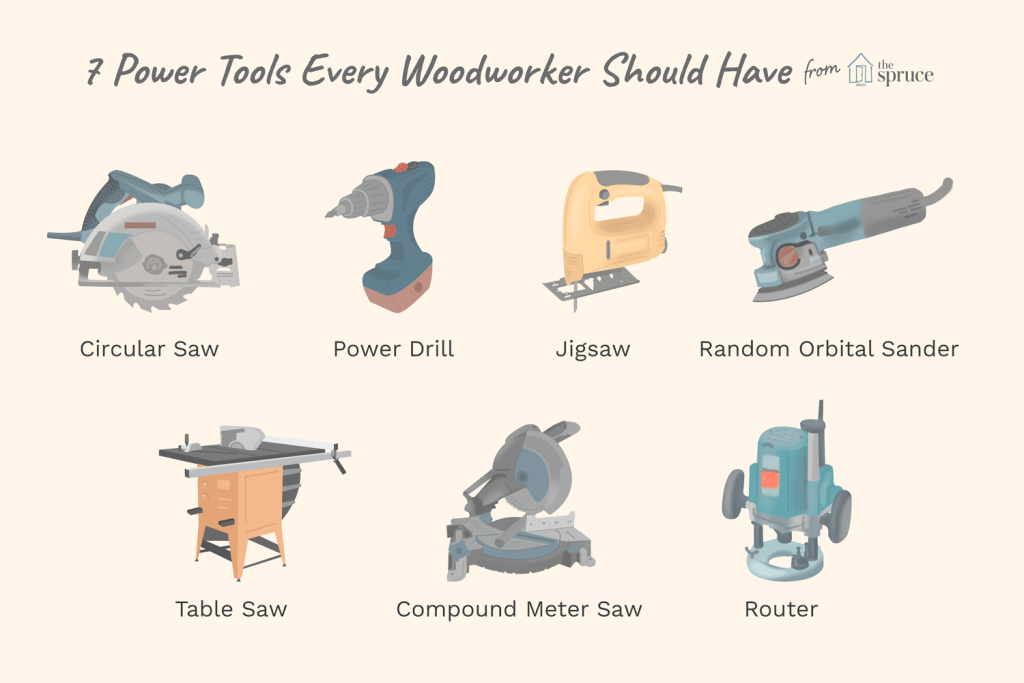
Starting woodworking needs the right tools. Basic power tools help cut, drill, and shape wood easily. These tools save time and give better results than hand tools. They are essential for beginners and hobbyists. Knowing these tools helps build a strong foundation in woodworking.
Cordless Drills
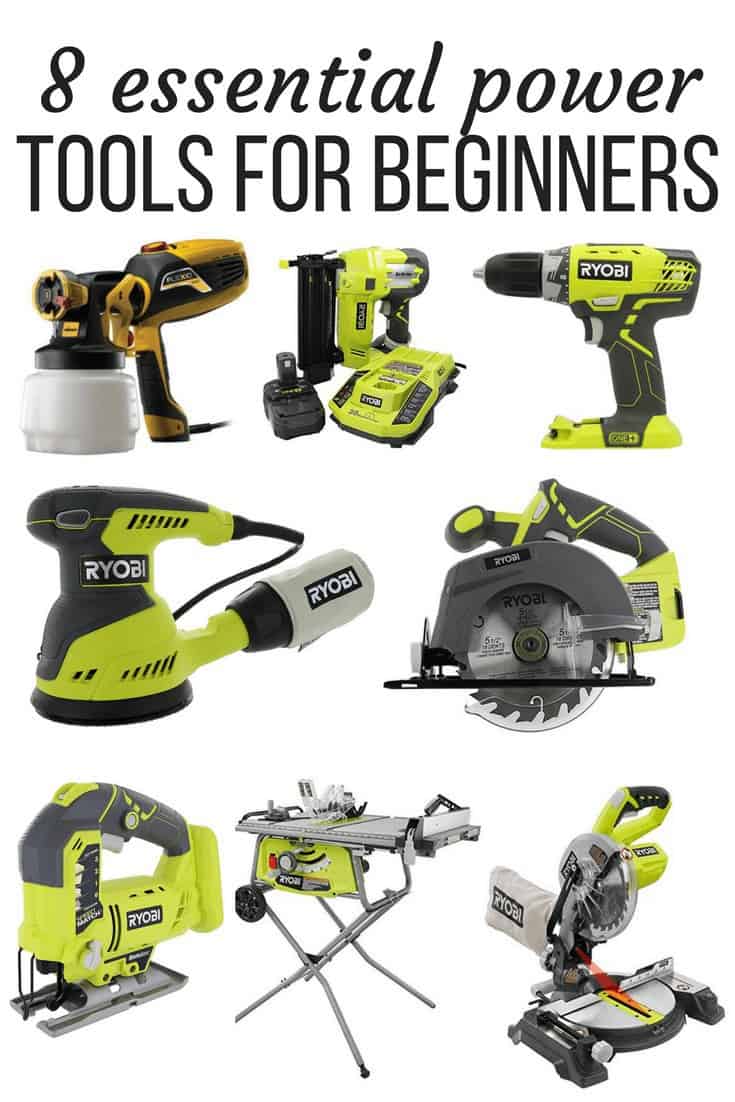
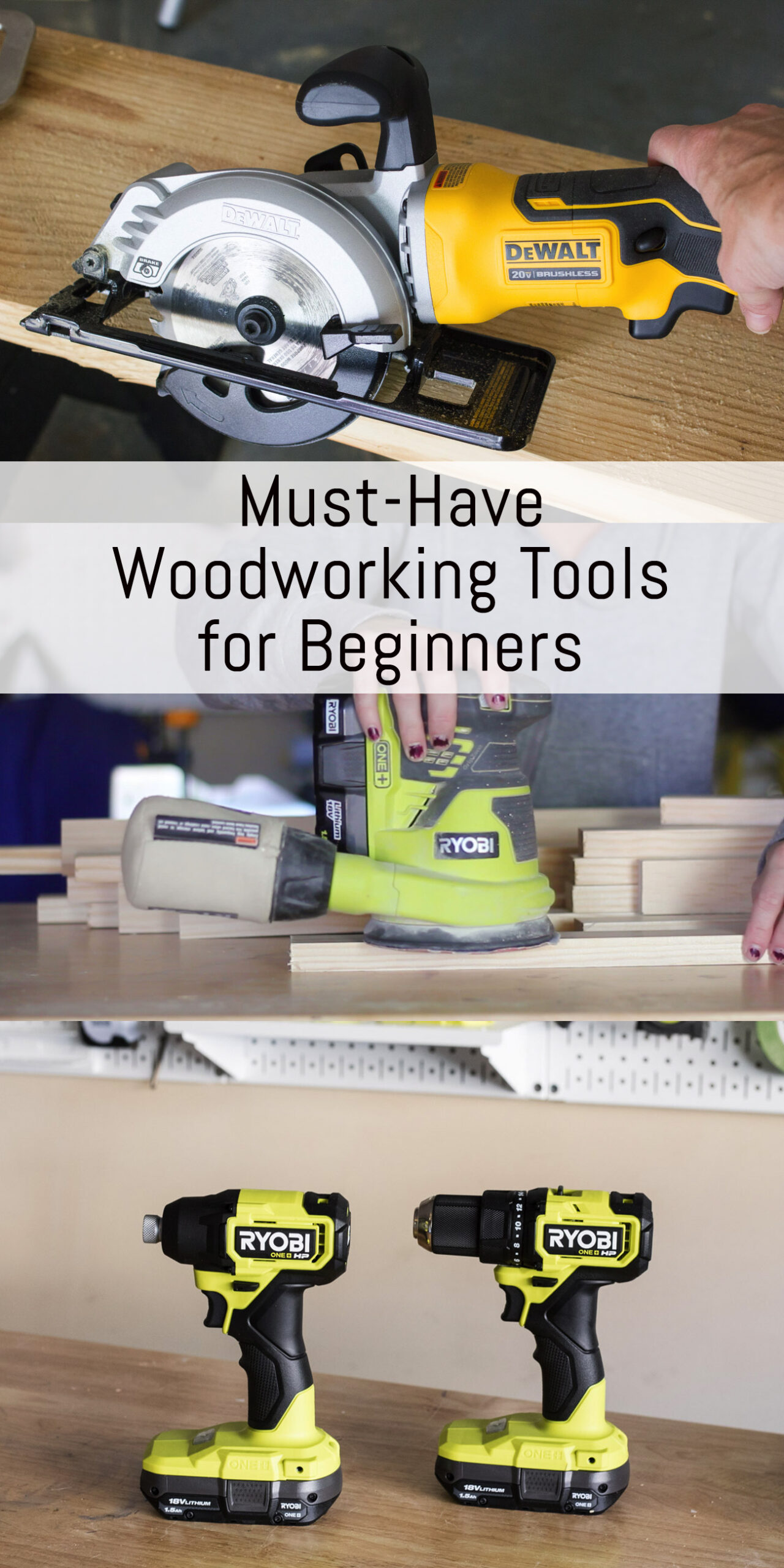
Cordless drills are must-have tools. They let you drill holes and drive screws fast. No cords mean you can move freely around your workspace. Most drills come with different speed settings for various tasks. Their batteries last long enough for most projects.
Circular Saws
Circular saws cut large wood pieces quickly and straight. You can adjust the blade depth to match the wood thickness. These saws are perfect for cutting boards and panels. They are light and easy to handle, even for beginners. Circular saws make straight cuts easier and safer.
Jigsaws
Jigsaws cut curves and shapes in wood. They have small blades that move up and down fast. This tool is useful for detailed work and curved cuts. Jigsaws work well on thin wood and plywood. Their compact size helps cut in tight spaces and corners.

Credit: www.findbuytool.com
Advanced Cutting Tools
Advanced cutting tools help woodworkers make precise and clean cuts. These tools save time and improve the quality of your work. They handle different types of cuts with ease. Each tool suits a specific kind of job in woodworking.
Table Saws
Table saws are essential for straight cuts. They have a circular blade that spins fast. You can adjust the height and angle of the blade. This allows for different cut depths and bevels. Table saws work well for ripping boards and making long cuts. They offer stability and control for better accuracy.
Miter Saws
Miter saws make angled cuts quickly. They have a blade on a swing arm. This design helps cut wood at precise angles. Miter saws are perfect for cutting trim and molding. They handle crosscuts and compound cuts easily. Using a miter saw improves the finish of your joints.
Band Saws
Band saws use a long, flexible blade. The blade moves on two wheels. This tool can cut curves and irregular shapes. Band saws also cut thick wood safely. They are useful for resawing and detailed work. These saws give woodworkers more creative freedom.
Shaping And Sanding Tools
Shaping and sanding tools are essential for woodworking projects. They help create smooth surfaces and perfect shapes. These tools save time and improve the quality of your work. Choosing the right tool can make a big difference. Below are three must-have power tools for shaping and sanding wood.
Orbital Sanders
Orbital sanders are great for fine sanding jobs. They use a small circular motion to smooth wood surfaces. These sanders are easy to handle and control. They work well on flat and curved surfaces. Orbital sanders reduce the risk of leaving marks on wood.
Belt Sanders
Belt sanders are powerful tools for heavy sanding. They use a continuous loop of sandpaper to remove material fast. Ideal for leveling rough wood and shaping edges. Belt sanders are perfect for big projects that need quick results. They require a steady hand to avoid gouging the wood.
Routers
Routers shape wood by cutting grooves and patterns. They are versatile for edging, hollowing, and decorative work. Routers come with different bits for various designs. You can create clean, precise edges with this tool. A router adds a professional finish to your woodworking pieces.
Credit: www.medicina-sante.fr
Measuring And Marking Tools
Measuring and marking tools are the foundation of accurate woodworking. Precise measurements prevent mistakes and save time. Clear marks guide your cuts and joints perfectly. Every woodworker needs reliable tools to measure and mark with confidence.
Laser Measures
Laser measures use a beam of light to find distance quickly. They give exact readings with minimal effort. These tools work well for large projects and tight spaces. Laser measures reduce guesswork and improve precision.
Combination Squares
Combination squares help measure and mark angles and straight lines. They come with a ruler and a movable head. This tool checks 90-degree and 45-degree angles easily. It also helps measure depths and find center points on wood.
Marking Gauges
Marking gauges score lines parallel to wood edges. They have a sharp pin or blade to scribe marks. These tools ensure consistent layout for cutting and joining. Marking gauges improve accuracy and repeatability in projects.
Safety Gear For Woodworking
Woodworking involves sharp tools and flying debris. Safety gear protects you from injuries and health risks. Using the right safety equipment keeps your work safe and comfortable.
Eye Protection
Wood chips and dust can hurt your eyes quickly. Safety glasses or goggles shield your eyes from flying debris. Choose glasses that fit well and have strong lenses. Clear vision is important for precise cuts and safe work.
Hearing Protection
Power tools create loud noise that can damage hearing. Earplugs or earmuffs reduce noise levels significantly. Protect your ears during long or loud sessions. Good hearing protection prevents permanent hearing loss.
Dust Masks
Wood dust can irritate your lungs and throat. Dust masks filter harmful particles from the air you breathe. Use masks especially when sanding or cutting wood. Clean air helps you breathe easier and stay healthy.
Choosing The Right Power Tools
Choosing the right power tools for woodworking is essential for success. The right tools make your work easier and more precise. You save time and avoid frustration. Not all tools fit every project. Picking the right ones depends on a few key factors. Consider your project needs, budget, and the tool brand. Each factor helps narrow your choices. This guide helps you understand what to look for.
Assessing Your Project Needs
Think about the types of projects you will do. Small crafts need different tools than large furniture. List the tasks you expect to perform often. Identify tools that match those tasks. Some tools serve many purposes. Others are specialized. Choose tools that fit your common projects. Avoid buying tools you rarely use. This saves money and space.
Budget Considerations
Set a clear budget before buying tools. Power tools come in many price ranges. Higher cost often means better quality and durability. But cheap tools can work for beginners. Balance cost with how often you will use the tool. Spending more on key tools pays off over time. Look for sales and bundles to save money. Avoid tools that break easily or lack warranty.
Brand Reliability
Choose brands known for quality and support. Reliable brands offer good warranties and customer help. Read reviews from other woodworkers. Check how long the brand has been in business. Trusted brands use better materials and parts. They keep tools running smoothly for years. Avoid unknown brands with poor reviews. A good brand protects your investment and work.
Maintenance Tips For Power Tools
Power tools make woodworking easier and faster. Keeping them in good shape helps them last longer and work better. Simple care can save money and avoid problems.
Cleaning And Storage
Remove dust and wood chips after each use. Use a soft brush or cloth to clean the tool. Avoid water; use a dry cloth or compressed air instead.
Store tools in a dry place to stop rust. Use cases or shelves to keep tools safe. Keep cords untangled and away from sharp objects.
Blade And Bit Care
Sharp blades cut cleanly and reduce accidents. Check blades and bits often for dullness or damage. Replace or sharpen them as needed.
Clean blades with a cloth and mild cleaner after use. Avoid sticky resin build-up by wiping blades regularly. Lubricate moving parts lightly to prevent rust.
Regular Inspections
Check power cords for cracks or frays before each use. Test switches and safety features to ensure they work well. Listen for strange sounds during operation; they may signal issues.
Look inside vents to clear dust that can cause overheating. Tighten loose screws and parts to keep tools steady. Keep a maintenance log to track repairs and checks.
Credit: www.erinspain.com
Frequently Asked Questions
What Are Essential Power Tools For Woodworking Beginners?
Essential power tools for woodworking beginners include a cordless drill, circular saw, jigsaw, and random orbital sander. These tools help with drilling, cutting, and finishing tasks. They are versatile, easy to use, and improve project efficiency, making them perfect for beginners.
How To Choose The Best Power Saw For Woodworking?
Choose a power saw based on your project type, cutting depth, and precision needs. Circular saws are versatile, miter saws offer accurate angles, and jigsaws handle curves well. Consider power, blade quality, and safety features for optimal performance and durability.
Why Is A Cordless Drill Important In Woodworking?
A cordless drill offers portability and convenience for drilling and screw-driving tasks. It eliminates the hassle of cords, allowing easy movement around the workspace. Its adjustable speed and torque settings make it suitable for various woodworking projects and materials.
Which Power Tool Improves Woodworking Finish Quality?
A random orbital sander significantly improves finish quality by smoothing wood surfaces evenly. It reduces sanding marks and prepares wood for staining or painting. Its ergonomic design and dust collection features enhance user comfort and workspace cleanliness.
Conclusion
Choosing the right power tools makes woodworking easier and more fun. These tools save time and help create better projects. Start with the basics like drills, saws, and sanders. Add more tools as your skills grow. Always focus on safety and proper use.
Good tools lead to great results. Keep learning and enjoy building with wood. Your workshop will become a place of creativity and skill.