

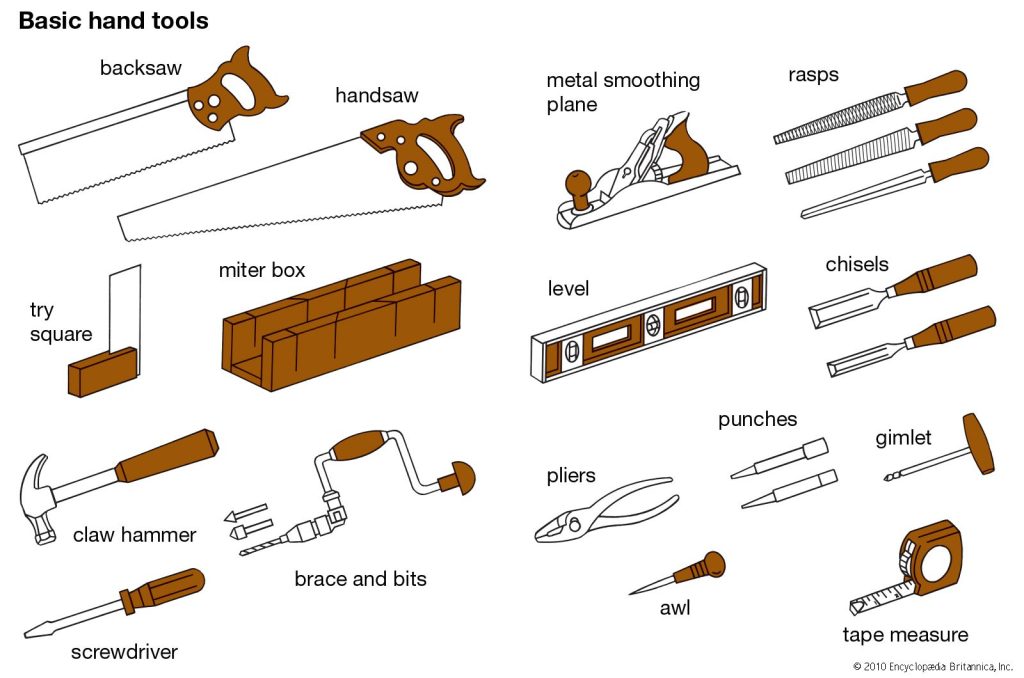
Have you ever wondered what makes simple tasks around your home or workshop easier and more efficient? The answer often lies in the hand tools you choose to use.
These tools are not just objects; they are your trusted companions for fixing, building, and creating. Understanding what hand tools are and how they work can save you time, effort, and frustration. You’ll discover the essential hand tools that can transform the way you tackle projects, whether you’re a beginner or someone looking to sharpen your skills.
Ready to unlock the power of your hands with the right tools? Let’s dive in.
Credit: jcblhandtools.com
Types Of Hand Tools
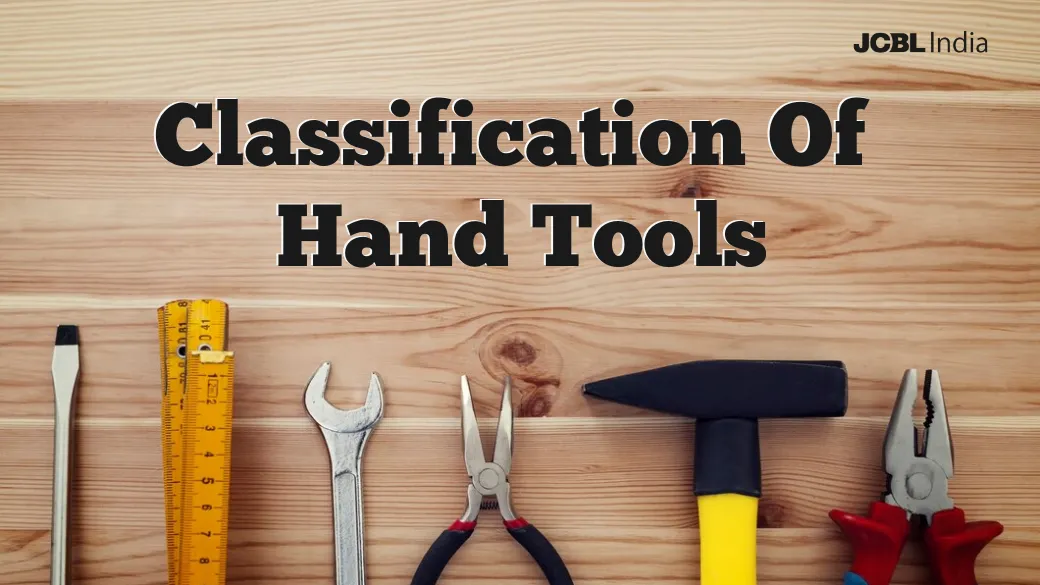
Hand tools come in many shapes and sizes. Each type serves a specific purpose. Understanding these categories helps in choosing the right tool for any task.
Cutting Tools
Cutting tools are designed to slice through materials. Common examples include knives, saws, and scissors. These tools help cut wood, metal, and fabric cleanly and safely.
Measuring Tools
Measuring tools ensure accuracy in projects. Rulers, tape measures, and calipers fall into this group. They help check lengths, widths, and depths precisely.
Fastening Tools
Fastening tools join materials together. Hammers, screwdrivers, and wrenches are typical examples. These tools tighten or loosen nails, screws, and bolts.
Shaping Tools
Shaping tools change the form of materials. Files, chisels, and planes shape wood or metal surfaces. They smooth rough edges and create detailed finishes.
Prying Tools
Prying tools help open, lift, or separate objects. Crowbars and pry bars are common examples. They provide leverage to remove nails or lift heavy items.

Credit: web.iitd.ac.in
Must-have Tools For Beginners
Starting a new project needs the right tools. Beginners should have basic hand tools. These tools help with many tasks around the home or workshop. They are easy to use and very useful for small repairs and projects.
Having the right tools makes work faster and safer. It also gives confidence to anyone just starting out. Here are some must-have hand tools for beginners.
Hammer
A hammer is a simple tool used to drive nails into wood or walls. It also helps remove nails and shape metal. A claw hammer is best for beginners. It has a flat head for hitting and a curved claw for pulling nails.
Screwdrivers
Screwdrivers come in many types, but a basic set is enough for beginners. The most common are flathead and Phillips screwdrivers. They turn screws to hold objects together or take them apart. Choose screwdrivers with comfortable handles for better grip.
Tape Measure
A tape measure helps you get exact lengths and distances. It is useful for measuring wood, walls, and other materials. A 25-foot tape measure is ideal for most tasks. Look for one with a lock to hold the tape in place.
Utility Knife
A utility knife cuts many materials like cardboard, plastic, and drywall. It has a sharp, replaceable blade. Beginners should choose a knife with a safety lock. This prevents accidents and keeps the blade secure.
Pliers
Pliers grip, twist, and cut wires or small objects. Needle-nose pliers are great for detailed work. Slip-joint pliers adjust to different sizes. They are handy for many household tasks and repairs.
Choosing Quality Hand Tools
Choosing quality hand tools is important for any project. Good tools make work easier and last longer. Poor tools can break or cause discomfort. Knowing what to look for helps you pick the best tools for your needs.
Material And Durability
Strong materials mean tools last longer. Steel is common for strength and rust resistance. Tools with hardened tips hold up better under pressure. Avoid tools made with cheap metals. They wear out quickly and may bend or break.
Ergonomics And Comfort
Comfort helps you work longer without pain. Handles should fit your hand well. Soft grips reduce slipping and hand strain. Balanced tools feel easier to control. Try holding tools before buying if possible.
Brand Reputation
Trusted brands often offer better quality. They test tools for safety and performance. Reviews from other users show real experiences. Brands with good support make repairs easier. Avoid unknown brands with little feedback.
Tool Maintenance
Proper care keeps tools working well. Clean tools after each use to stop rust. Store tools in dry places. Sharpen blades and oil moving parts regularly. Well-maintained tools last much longer and stay safe.

Credit: www.moglix.com
Safety Tips When Using Hand Tools
Using hand tools safely is important to avoid injuries. Simple habits can protect you and others around you. Follow these safety tips to work with hand tools carefully and confidently.
Proper Handling
Hold tools firmly and use the right tool for the job. Keep your hands away from sharp edges. Apply force slowly and steadily. Avoid rushing or forcing tools to work harder.
Protective Gear
Wear gloves to protect your hands from cuts and splinters. Use safety glasses to shield your eyes from flying debris. Choose sturdy shoes to protect your feet from falling tools.
Regular Inspection
Check tools before each use. Look for cracks, rust, or loose parts. Fix or replace damaged tools immediately. Well-maintained tools work better and are safer.
Safe Storage
Store tools in a dry, clean place. Keep sharp tools covered or in toolboxes. Organize tools to avoid clutter and accidents. Put tools away after each use to keep the workspace safe.
Organizing Your Hand Tool Kit
Organizing your hand tool kit makes every job easier. A well-arranged kit saves time and reduces frustration. It helps you find tools quickly and keeps your workspace tidy. Good organization also protects your tools from damage and loss. Simple steps can create a neat and efficient tool kit.
Toolboxes And Storage Solutions
Choose a toolbox that fits your tool collection. Look for compartments and trays to separate small items. Stackable plastic bins work well for screws and nails. Magnetic strips can hold metal tools on walls. Pegboards keep tools visible and within reach. Proper storage prevents clutter and damage.
Labeling And Accessibility
Label each section clearly to find tools fast. Use simple words and large letters for easy reading. Group similar tools together for quick access. Place the most-used tools at the top or front. Clear labels save time and reduce searching. Easy access means faster and smoother work.
Maintaining Order
Put tools back after each use. Clean tools before storing to avoid rust. Regularly check your kit for missing or broken tools. Rearrange items if your needs change. Keeping order means your kit stays ready to use. A tidy tool kit supports better work every day.
Expanding Your Collection Over Time
Expanding your hand tool collection takes time and careful choices. Start with basic tools and add more as your projects grow. Building a diverse set helps you handle many tasks with ease.
Specialized Tools
Some projects need specific tools. These are not in every basic set. Examples include pipe wrenches, wire strippers, and tile cutters. Adding these tools lets you work on unique tasks. They make jobs faster and better.
Power Tool Integration
Power tools work well with hand tools. Combining both saves time and effort. For example, use a drill alongside screwdrivers. Power tools handle tough jobs, while hand tools offer control. This mix improves efficiency on projects.
Budgeting For New Tools
Buy tools within your budget. Do not rush to buy expensive sets all at once. Save money over time for better quality. Prioritize tools that fit your current needs first. This way, your collection grows steadily and wisely.
Frequently Asked Questions
What Are The Most Common Types Of Hand Tools?
Common hand tools include hammers, screwdrivers, pliers, wrenches, and saws. They are essential for various repair and construction tasks. Each tool serves a specific purpose, making them versatile for both professionals and DIY enthusiasts.
How Do Hand Tools Differ From Power Tools?
Hand tools operate manually without electricity or batteries. Power tools use motors or batteries for faster work. Hand tools offer precision and control, while power tools provide efficiency for larger tasks.
Why Are Hand Tools Important For Diy Projects?
Hand tools are affordable, easy to use, and require no power source. They allow precise work and help build essential skills. DIYers rely on them for small repairs and creative projects at home.
How To Maintain Hand Tools For Longer Life?
Clean tools after each use and store them in a dry place. Regularly sharpen blades and oil moving parts. Proper maintenance prevents rust and damage, ensuring tools last longer and perform well.
Conclusion
Hand tools play a key role in many tasks. They help us build, fix, and create with ease. Choosing the right tool makes work faster and safer. These simple tools fit in your hand and need no power. Everyone can learn to use them well.
Keeping tools clean and sharp extends their life. Start small and add tools as you need them. Using hand tools brings satisfaction and skill. They remain useful no matter how technology changes.