

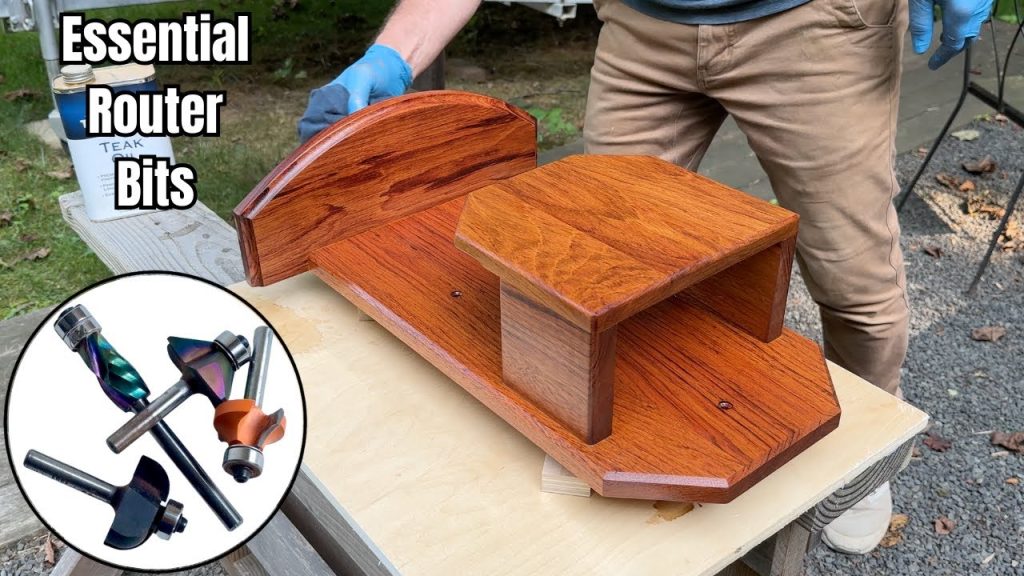
Have you ever wondered what a router tool can do for your woodworking projects? Whether you’re a beginner or have some experience, understanding the full potential of a router can open up a world of creativity and precision.
From shaping edges to making intricate designs, this powerful tool can help you achieve professional-looking results with ease. You’ll discover the many ways you can use a router tool to transform your work and take your skills to the next level.
Ready to unlock your router’s true power? Keep reading to find out how.
Credit: www.anikasdiylife.com
Router Basics
A router is a power tool used to hollow out an area in hard materials like wood. It helps shape edges, cut grooves, and create decorative patterns.
Understanding the parts and types of routers can help you pick the right one for your project. Also, choosing the right router bit is key to good results.
Types Of Routers
There are several types of routers, each designed for different tasks and user needs.
- Fixed Base Router:The base is fixed in place. Good for edge work and simple cuts.
- Plunge Router:The bit can move up and down during use. Ideal for cutting into the middle of a board.
- Combo Router:Offers both fixed and plunge base options. Provides flexibility for various jobs.
- Trim Router:Small and lightweight. Best for light trimming and small projects.
Essential Router Parts
A router has several key parts that work together to make precise cuts.
| Part | Function |
|---|---|
| Motor | Drives the spinning of the router bit. |
| Base | Supports the router and controls depth of cut. |
| Collet | Holds the router bit securely in place. |
| Router Bit | The cutting tool that shapes the material. |
| Depth Adjustment | Allows precise control over how deep the bit cuts. |
Choosing The Right Router Bit
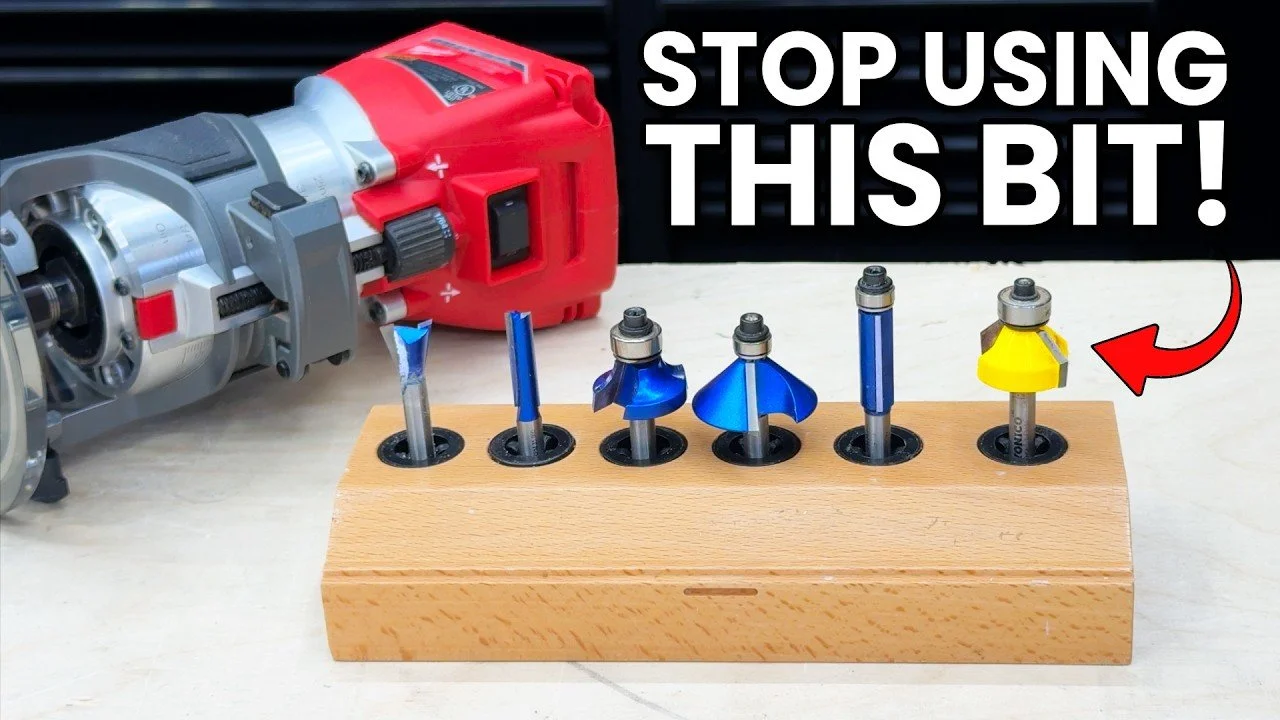
Router bits come in many shapes and sizes. Picking the right bit depends on your project and the cut you want to make.
- Straight Bits:Cut straight grooves and dados.
- Round-over Bits:Create smooth, rounded edges.
- Chamfer Bits:Cut angled edges for decoration or joints.
- Flush Trim Bits:Follow the edge of a pattern or template.
- V-Groove Bits:Cut V-shaped decorative grooves.
Preparing Your Workspace
Using a router tool needs careful preparation to work safely and well. A clean and organized workspace helps you focus on your project.
Before starting, set up your area with all the tools and materials you will need. This saves time and keeps your work smooth.
Safety Precautions
Safety is the top priority when working with a router tool. Protect yourself and others in the workspace.
- Wear safety glasses to protect your eyes.
- Use ear protection to guard against loud noise.
- Keep loose clothing and hair away from the router.
- Check the router for damage before use.
- Ensure the workspace is well-lit and free of clutter.
Setting Up Clamps And Jigs
Clamps and jigs hold your workpiece steady. Setting them up right improves accuracy and safety.
- Choose clamps that fit your material size.
- Place the clamps so the router can reach the work area.
- Use jigs for consistent cuts and shapes.
- Test the setup by gently moving the material to check stability.
Material Selection Tips
Picking the right material affects the quality of your routed project. Different woods and plastics behave differently.
| Material | Best Use | Notes |
|---|---|---|
| Pine Wood | Beginner projects | Soft, easy to cut but may chip |
| Hardwood | Furniture and durable items | Strong but needs sharp bits |
| MDF (Medium Density Fiberboard) | Sign making and painting | Smooth surface, avoid moisture |
| Acrylic Plastic | Decorative items | Use special bits and slow speed |
Common Router Uses
A router is a useful woodworking tool. It helps shape and cut wood with precision.
You can use a router for many tasks. It is great for adding details and making joints.
Edge Profiling
Edge profiling changes the shape of wood edges. It makes the edges smooth or decorative.
Common profiles include round, beveled, and ogee edges. This adds style and safety to furniture.
Grooving And Slotting
Grooving and slotting cut channels into wood surfaces. These grooves help fit pieces together or add design.
Slots can hold shelves or decorative strips. They make assembly easier and stronger.
Dado Cuts
Dado cuts are wide grooves cut across the wood grain. They create a strong joint for shelves and panels.
These cuts help connect parts without nails or screws. They keep furniture stable and neat.
Mortising
Mortising removes wood to make a square or rectangular hole. This hole fits a tenon to form a mortise and tenon joint.
This joint is strong and common in frames. Using a router for mortising saves time and gives clean cuts.
Credit: www.731woodworks.com
Decorative Techniques
A router tool can add beauty and detail to woodwork. It helps create patterns and shapes on surfaces. These designs make furniture and crafts stand out.
Using different bits and settings, you can achieve many decorative effects. Let’s look at some popular techniques you can try with a router.
Inlay Work
Inlay work uses the router to cut shallow grooves or shapes in wood. You then fit pieces of contrasting wood, metal, or resin into these spaces. This adds color and texture to the surface.
Inlay designs can be simple or complex, depending on your skill and tools. The router helps make precise cuts for clean, neat inlays.
Fluting And Beading
Fluting means carving narrow grooves in wood for decoration. Beading adds rounded or sharp edges along wood borders. Both effects give a classic look to furniture and moldings.
- Fluting creates vertical or horizontal lines.
- Beading forms small rounded edges or ridges.
- Use special router bits made for these shapes.
- Work slowly for smooth, even results.
Lettering And Sign Making
A router can carve letters and numbers into wood. This is useful for making signs and personalized projects. You can choose different fonts and depths for style.
| Type of Lettering | Effect | Common Uses |
| Engraved | Shallow carved letters | Nameplates, plaques |
| Raised | Letters stand out from background | Signboards, decorative panels |
| Painted | Carved letters filled with paint | Outdoor signs, house numbers |
Building Furniture With A Router
A router is a versatile tool for woodworking. It helps shape, join, and finish furniture parts with ease.
Using a router makes your furniture look smooth and professional. It can cut precise shapes and join pieces tightly.
Joinery Techniques
Routers help create strong joints between wood pieces. These joints hold furniture parts firmly together.
- Mortise and tenon joints for table legs
- Dovetail joints for drawers
- Box joints for cabinets
- Biscuit joints for panel edges
Shaping Components
Routers shape wood edges and surfaces to add style and function. You can make curves, grooves, and decorative patterns.
| Shape | Use |
| Round-over | Softens sharp edges |
| Chamfer | Creates angled edges |
| Fluting | Adds decorative grooves |
| Beading | Makes small rounded details |
Finishing Touches
A router can smooth surfaces and add final details. It helps prepare wood for painting or staining.
Common finishing tasks with a router include:
- Trimming edges for a clean fit
- Creating decorative inlays
- Adding grooves for drawer bottoms
- Cleaning up cutouts and holes
Advanced Router Projects
Router tools are versatile for woodworking. They help create intricate designs and shapes. Let’s explore advanced projects you can try.
These projects enhance your skills. You’ll make unique items with precision. Discover the potential of your router tool.
Custom Cabinet Doors
Crafting custom cabinet doors is rewarding. Routers can add detailed edges and profiles. You can create doors that fit your style.
| Router Bit | Use |
| Beading Bit | Adds decorative edge |
| Rabbeting Bit | Creates joints |
| Round-over Bit | Softens edges |
Raised Panel Designs
Raised panels add depth to doors and walls. Use your router to form elegant designs. They are ideal for classic and modern styles.
- Choose the right wood type
- Set the depth of cut
- Use a raised panel bit
- Sand for a smooth finish
Complex Patterns And Templates
Routers excel in crafting complex patterns. Templates guide the router for precision cuts. This technique is useful in repetitive designs.
Use a guide bushing with your template. This keeps the router on track and ensures accuracy.
Maintenance And Troubleshooting
A router tool is important for woodworking. To keep it working well, regular maintenance is key. Troubleshooting common problems helps too.
Let’s explore how to maintain and fix your router tool. We’ll cover cleaning, bit sharpening, and common issues.
Cleaning And Lubrication
Dust and debris can harm your router tool. Cleaning helps it run smoothly. Lubrication reduces wear and tear.
- Wipe the tool with a clean cloth after use.
- Use compressed air to clear dust from vents.
- Apply machine oil to moving parts.
Bit Sharpening
A sharp bit cuts better and is safer to use. Regular sharpening is important for performance.
| Tool | Purpose |
| Diamond file | Sharpens edges |
| Bench grinder | Removes nicks |
| Sharpening stone | Polishes surface |
Common Issues And Fixes
Routers may face problems. Knowing common issues helps in quick fixes and keeps your work uninterrupted.
- Router not starting: Check the power supply.
- Uneven cuts: Ensure the bit is correctly installed.
- Burn marks: Reduce the speed setting.

Credit: www.gz-supplies.com
Frequently Asked Questions
What Is A Router Tool Used For In Woodworking?
A router tool shapes edges, cuts grooves, and hollows out wood. It helps create decorative patterns and precise joints. Woodworkers use routers for cabinetry, furniture, and trim work. It offers versatility and accuracy in wood shaping tasks.
Can A Router Tool Make Decorative Edges?
Yes, a router tool creates smooth, decorative edges on wood. Various bits allow for rounded, beveled, or intricate edge profiles. This enhances the aesthetic appeal of furniture and woodworking projects. It’s ideal for adding professional finishing touches.
How Does A Router Tool Help In Joinery?
Routers cut precise grooves and slots for strong wood joints. They are essential for creating dovetail, mortise, and tongue-and-groove joints. This ensures tight fits and durable connections in woodworking. Using a router improves joint accuracy and strength.
Is A Router Tool Suitable For Hollowing Wood?
Yes, routers can hollow out wood surfaces efficiently. They remove material to create recesses or inlays. This is useful for signage, panels, and custom designs. The router’s speed and control make hollowing quick and clean.
Conclusion
A router tool helps shape wood with clean edges and smooth curves. It can cut grooves, create designs, and join pieces tightly. Many woodworkers use it for making furniture, cabinets, and decorations. It saves time and gives a neat finish to projects.
Learning basic uses makes woodworking easier and more fun. Try different bits to see what you can create. A router tool brings more options for your woodwork tasks. Simple, useful, and worth having in your workshop.