

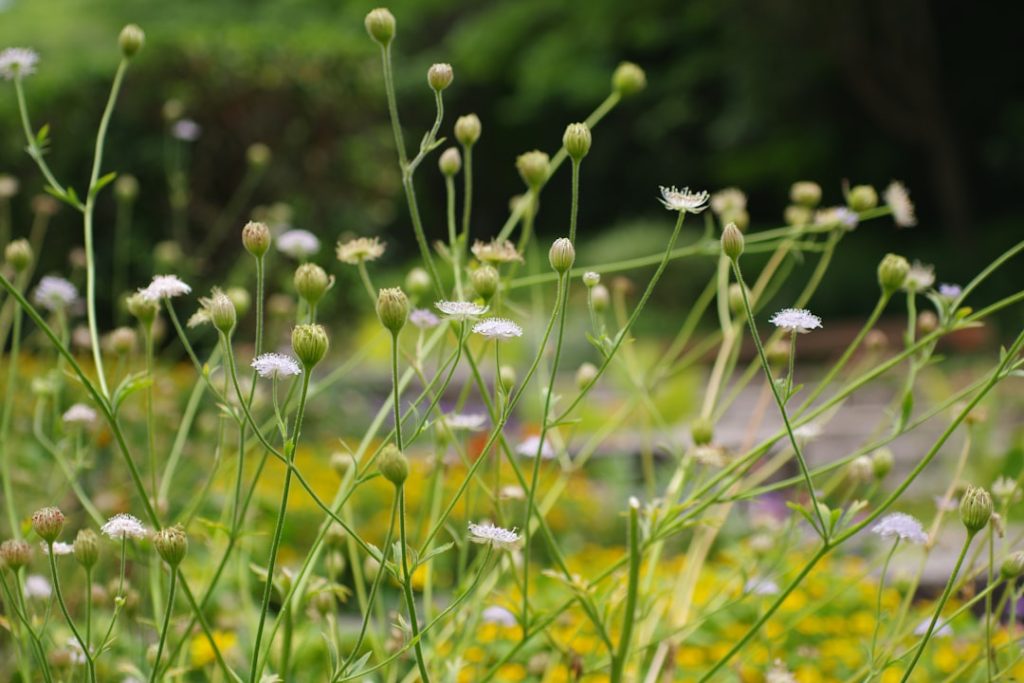
Have you ever looked at your garden and wondered which plants are helping it thrive and which ones might be holding it back? Weeds can sneak in quietly, blending with your flowers and vegetables, making it hard to spot them at first glance.
Knowing what weeds look like in your garden is the first step to keeping your plants healthy and beautiful. You’ll discover simple ways to identify common weeds quickly, so you can protect your garden before they take over. Keep reading, and take control of your garden’s future today!
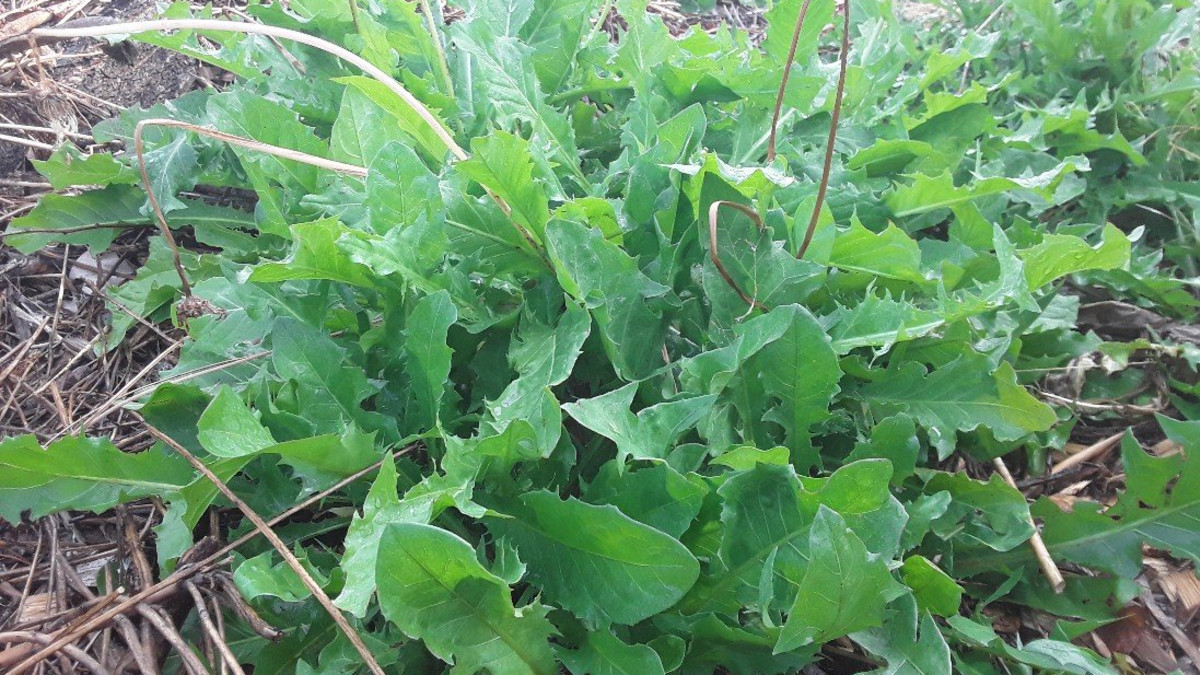
Credit: dengarden.com
Common Garden Weeds
Weeds can quickly take over a garden if left unchecked. They compete with your plants for water, light, and nutrients.
Knowing what weeds look like helps you remove them early. This guide covers common types of garden weeds.
Broadleaf Weeds
Broadleaf weeds have wide, flat leaves. They often have visible veins and various shapes.
- Dandelion: Bright yellow flowers and deeply notched leaves.
- Plantain: Oval leaves with parallel veins and a low growth habit.
- Clover: Small, round leaves usually grouped in threes.
Grass-like Weeds
Grass-like weeds look like grass but grow faster and spread quickly. They have narrow leaves with parallel veins.
| Weed Name | Key Features | Growth Pattern |
| Crabgrass | Wide, spiky blades | Spreads outward fast |
| Quackgrass | Long, pointed leaves | Grows in dense clumps |
| Bermuda Grass | Thin, stiff blades | Spreads by runners |
Vining Weeds
Vining weeds climb on plants and structures. They have long stems that twist or trail.
- Bindweed: White trumpet-shaped flowers and twining vines.
- Morning Glory: Heart-shaped leaves and colorful flowers.
- Creeping Charlie: Rounded leaves and fast ground cover growth.
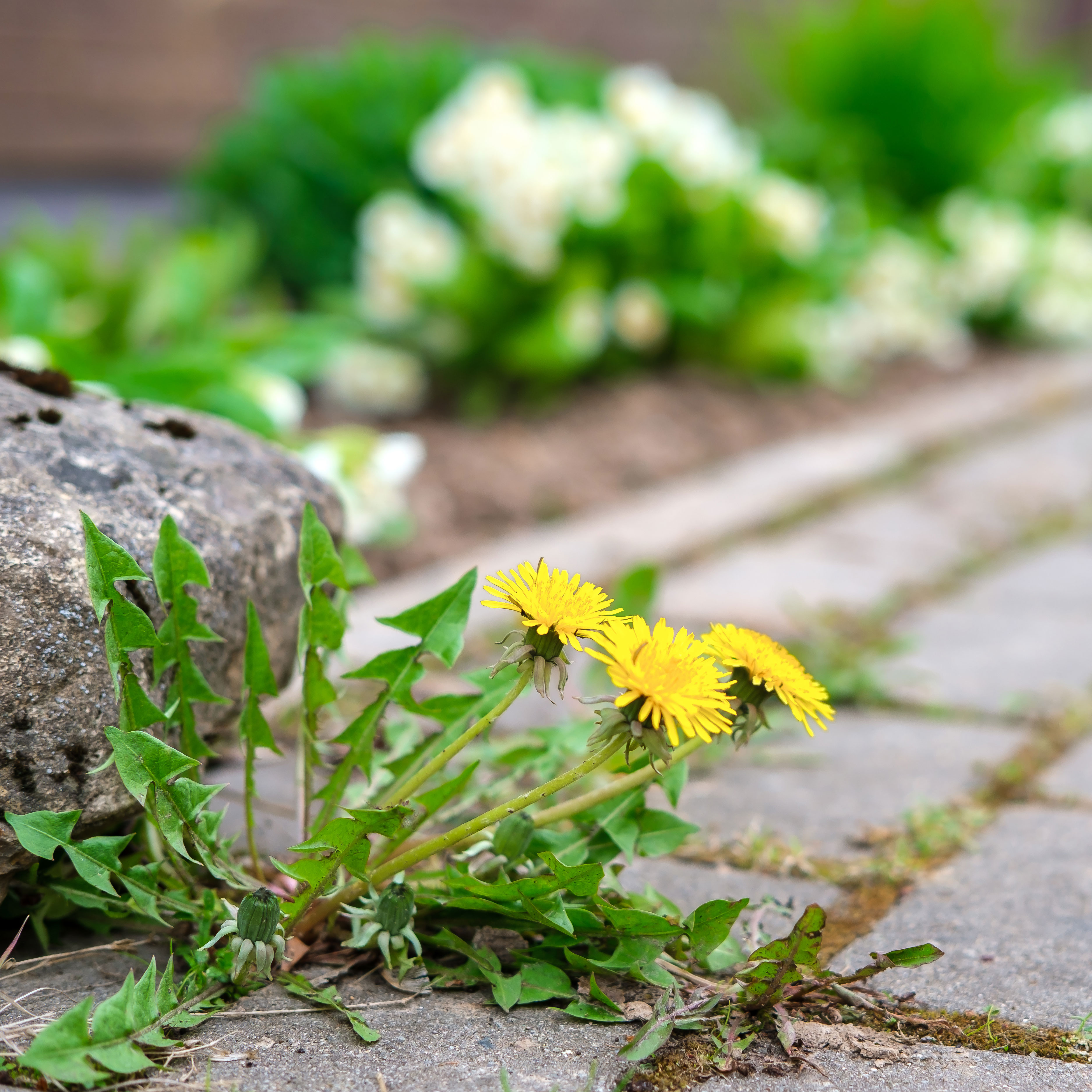
Credit: www.gardeningknowhow.com
Key Weed Features
Weeds can harm your garden by taking nutrients from your plants. Knowing how to spot them helps you protect your garden.
Weeds have distinct features in their leaves, stems, and roots. These traits make them different from your garden plants.
Leaf Shape And Texture
Weed leaves vary widely in shape and feel. Some are smooth, while others are rough or hairy. Their edges may be smooth, jagged, or lobed.
- Leaves can be narrow like grass or broad like dandelions.
- Some have a waxy coating that shines in the sun.
- Leaf veins often form unique patterns.
- Texture might be soft or prickly to touch.
Stem Characteristics
Weeds often have strong stems that grow quickly. The stems may be green, red, or brown and can be smooth or hairy.
| Stem Feature | Description |
| Color | Green, red, brown, or mixed shades |
| Surface | Smooth, hairy, or spiny |
| Shape | Round, square, or ridged |
| Strength | Flexible or very stiff |
Root Systems
Weeds have different roots that help them spread fast. Some roots grow deep, while others spread near the surface.
- Taproots:One thick main root growing deep into the soil.
- Fibrous Roots:Many thin roots spreading out widely.
- Rhizomes:Underground stems that grow new shoots.
- Stolons:Above-ground runners that root at nodes.
Weed Identification Tips
Weeds can take over your garden if you do not identify them early. Knowing what weeds look like helps you remove them quickly.
Many weeds look like other plants, so learning how to spot them is important. Use these tips to recognize weeds in your garden.
Using Visual Clues
Look closely at the shape and color of the leaves. Most weeds have rough edges or irregular shapes. Check the stem and leaf texture too.
- Weeds often grow faster than other plants.
- They may have hair on leaves or stems.
- Many weeds have small, white or yellow flowers.
- Some weeds have a strong smell when crushed.
Seasonal Growth Patterns
Weeds grow at different times of the year. Some appear in spring, while others grow in summer or fall. Knowing when weeds grow helps you watch for them.
| Season | Common Weeds | Growth Type |
| Spring | Dandelions, Chickweed | Fast-growing annuals |
| Summer | Crabgrass, Nutsedge | Warm-season grasses |
| Fall | Henbit, Marestail | Cool-season broadleaf |
Comparing Similar Plants
Many weeds look like garden plants. Check leaf shapes, stem color, and flower size carefully. Compare these features to spot the weed.
| Plant | Leaf Shape | Stem Color | Flower Color |
|---|---|---|---|
| Dandelion (weed) | Jagged edges | Green | Yellow |
| Marigold (garden) | Rounded edges | Green to reddish | Orange or yellow |
| Crabgrass (weed) | Thin and blade-like | Green | Small greenish |
| Lawn Grass (garden) | Thin and uniform | Green | Rarely flowers |
Fast Weed Removal Methods
Weeds can quickly take over a garden if left unchecked. Removing them fast helps protect your plants and keeps your garden neat.
Several easy methods exist to remove weeds quickly and prevent them from coming back.
Manual Pulling Techniques
Pulling weeds by hand is simple and effective. It works best when the soil is moist and the weeds are small.
- Grasp the weed close to the ground.
- Pull slowly to remove the whole root.
- Use a hand fork for deep-rooted weeds.
- Dispose of weeds before they seed.
Natural Herbicides
Natural herbicides use ingredients like vinegar or salt to kill weeds without chemicals.
| Herbicide Type | How It Works | Application Tips |
| Vinegar | Dries leaves quickly | Use on sunny days, avoid plants you want to keep |
| Salt Solution | Draws moisture out of weeds | Apply sparingly; salt can harm soil |
| Boiling Water | Scalds weeds | Pour directly on weeds, avoid nearby plants |
Preventative Mulching
Mulching blocks sunlight and stops weed seeds from growing in garden beds.
Choose mulch materials like:
- Wood chips
- Straw
- Grass clippings
- Leaves
Spread mulch 2-3 inches thick around plants. Reapply each season for best results.
Maintaining A Weed-free Garden
Weeds can quickly take over a garden if you do not control them. Keeping your garden free of weeds helps your plants grow strong and healthy.
Regular care and smart strategies make it easier to stop weeds from spreading and harming your garden.
Regular Inspection Routines
Check your garden often to catch weeds early. Pull them out before they grow roots or spread seeds.
- Walk through your garden at least once a week
- Look closely around plant bases and edges
- Remove small weeds by hand or with tools
- Dispose of weeds away from the garden to stop seed spread
Soil Health And Management
Healthy soil helps your plants grow strong and fight weeds naturally. Good soil keeps moisture and nutrients balanced.
| Soil Practice | Benefit |
| Mulching | Keeps soil moist and blocks weed seeds from light |
| Adding compost | Improves soil nutrients for better plant growth |
| Regular turning | Prevents weed roots from settling deeply |
Plant Competition Strategies
Use plants that grow well together to crowd out weeds. Dense planting leaves less space for weeds to grow.
Tips for Competitive Planting:
- Choose ground covers to shade the soil
- Plant fast-growing vegetables or flowers
- Mix tall and short plants for full coverage
- Keep plants healthy so they can compete better

Credit: savvygardening.com
Frequently Asked Questions
What Are Common Weed Characteristics In A Garden?
Weeds often have rapid growth and irregular leaf shapes. They usually spread quickly and compete with garden plants. Many have fibrous roots and small flowers. Identifying these traits helps gardeners control unwanted plants effectively.
How To Identify Weeds Among Garden Plants?
Look for plants with different leaf patterns and growth habits. Weeds may grow in clusters and appear in bare soil. They often lack the uniformity of cultivated plants. Early identification prevents weed spread and garden damage.
Why Do Weeds Grow In Garden Beds?
Weeds grow due to disturbed soil and available sunlight. Seeds spread by wind, animals, or garden tools. Poor mulch or soil health encourages weed growth. Managing soil and using mulch reduces weed invasion.
Can Weeds Affect Garden Plant Health?
Yes, weeds compete for nutrients, water, and sunlight. They can stunt growth and reduce yields of garden plants. Weeds may also harbor pests and diseases. Removing weeds improves garden plant health and productivity.
Conclusion
Weeds can look very different in any garden. Some have broad leaves, others have thin blades. Many grow fast and crowd out your plants. Knowing what weeds look like helps you spot them early. Removing weeds keeps your garden healthy and neat.
Watch your garden often to catch weeds quickly. Clear weeds before they spread seeds everywhere. A little care goes a long way for a strong garden. Stay alert, and your plants will thrive without weed trouble.