

Have you ever wondered how professionals mark precise lines on metal, wood, or plastic before cutting or shaping? The secret lies in a simple yet powerful tool called a scriber.
If you want your projects to be accurate and clean, understanding what a scriber tool is used for can make all the difference. Keep reading, and you’ll discover how this small tool can improve your craftsmanship and save you time and frustration.

Credit: en.wikipedia.org
Purpose Of A Scriber Tool
A scriber tool helps workers mark exact lines on surfaces. It is useful in many jobs like metalwork and woodworking.
This tool makes sure the lines are clear and sharp. It helps cut or shape materials with accuracy. Without it, measurements might be off and the work can look unprofessional.
Marking Precise Lines
The main job of a scriber is to mark precise lines. It scratches thin, clear lines on the material surface. These lines guide the cutting or drilling process. This prevents mistakes and saves time.
Unlike pencils, scribers do not smudge or fade. The marks stay visible even on smooth or oily surfaces. This makes the scriber ideal for detailed work.
Materials Compatible With Scribers
Scribers work well on hard materials like metal and plastic. They can also mark wood and glass surfaces. The tool’s sharp tip can score tough surfaces easily.
Using a scriber on soft materials may cause damage. It is best for surfaces that need strong, lasting marks. This makes it popular in workshops and factories.
Credit: industrialtoolsinfo.com
Types Of Scriber Tools
Scriber tools come in different types, each made for specific tasks. Choosing the right type helps you mark materials clearly and accurately. Understanding these types makes your work easier and more precise.
Each type suits different surfaces and uses. Some are simple, while others have special features. Let’s explore the main types of scriber tools.
Basic Handheld Scribers
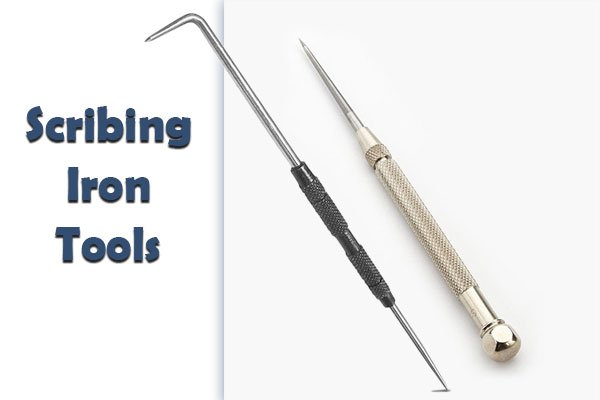
Basic handheld scribers have a simple metal point. They are easy to use and carry. These scribers work well on wood, metal, and plastic. They create fine lines for cutting or drilling guides. Many beginners and professionals prefer these for daily tasks.
Spring-loaded Scriber Variants
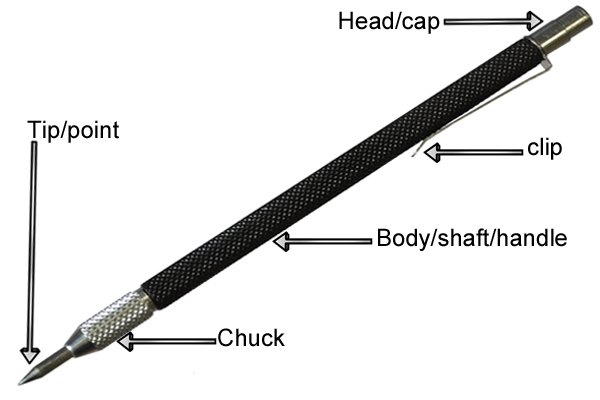
Spring-loaded scribers have a tip that moves with pressure. The spring keeps the tip steady on rough surfaces. This design prevents breaks and offers smooth marking. They often include a clip to attach to pockets. These scribers suit metalworkers and machinists.
Specialty Scribers For Different Surfaces
Specialty scribers target specific materials like glass or ceramics. Some have carbide tips for hard surfaces. Others use diamond points for precision on fragile items. These scribers avoid damaging delicate materials. They help artisans and hobbyists achieve perfect marks.
How To Use A Scriber Tool
Using a scriber tool is simple and helps create clear, precise marks on metal, wood, or plastic. It is useful for measuring and cutting tasks. Follow these steps to use it well and get good results.
Preparing The Surface
Clean the surface to remove dirt and dust. A smooth, dry surface helps the tool make clear lines. Use a cloth or brush to clean the area. Avoid surfaces with oil or grease. This prevents the scriber from slipping.
Proper Grip And Pressure
Hold the scriber like a pencil. Use your fingers, not your whole hand. Apply light but firm pressure. Too much force can damage the surface or tool tip. Too little pressure will make faint lines. Find a balance for a clear mark.
Common Techniques For Accuracy
Move the scriber slowly along a ruler or straight edge. Keep your hand steady to avoid wavy lines. Use short, repeated strokes for better control. Mark the shape or line clearly before cutting or drilling. Check the marks before starting the next step.
Applications In Various Trades
The scriber tool is valuable in many trades. It helps mark precise lines on different materials. This tool guides cutting, shaping, and fitting tasks. Clear, accurate marks reduce mistakes and save time. Below are common uses in various fields.
Metalworking And Fabrication
In metalworking, a scriber marks metal sheets and parts. It creates fine lines for cutting or welding. Workers use it to trace shapes on steel and aluminum. The tool helps make exact measurements visible on metal. It improves the quality of fabricated metal products.
Woodworking Projects
Woodworkers use scribers to mark wood before cutting. It leaves clear lines on rough or smooth wood surfaces. The tool ensures pieces fit together perfectly in furniture making. It also helps mark drilling points and joints. This leads to cleaner, more precise woodwork.
Glass And Ceramics Marking
Scribers work well on glass and ceramic surfaces. They score lines to guide breaking or cutting glass. The tool helps shape glass pieces for windows and art. In ceramics, it marks clay or tiles before firing. This aids in creating detailed, accurate designs.
Maintenance And Care Tips
Proper maintenance and care keep your scriber tool effective and long-lasting. Regular attention prevents damage and ensures precise marking. Follow these simple tips to maintain your tool’s sharpness and durability.
Sharpening The Tip
Keep the tip sharp for clean, accurate lines. Use a fine-grit sharpening stone or diamond file. Gently rub the tip at the correct angle. Avoid over-sharpening, which can weaken the tip. Check the tip often and sharpen as needed.
Storage Recommendations
Store the scriber in a dry place to prevent rust. Use a protective case or cover for the tip. Avoid tossing it in a toolbox with heavy tools. Keep it separate to protect the fine point. Proper storage extends the tool’s life.
Avoiding Common Damages
Do not use the scriber on very hard surfaces. Avoid applying too much pressure; it can bend or break the tip. Clean the tool after use to remove debris. Handle with care to prevent dropping. Small damages reduce its accuracy and usefulness.
Credit: www.wonkeedonkeetools.co.uk
Alternatives To Scriber Tools
Alternatives to scriber tools offer simple ways to mark materials. These options suit different tasks and budgets. Some tools provide quick marks, while others give precise lines. Choosing the right alternative depends on the project and material type.
Using Marking Pens
Marking pens work well on smooth surfaces like metal and plastic. They leave clear, visible lines that dry fast. Pens come in various colors for contrast on dark or light surfaces. These tools are easy to carry and use anywhere.
Chalk And Pencil Options
Chalk is great for marking rough or dusty surfaces. It wipes off easily, allowing for temporary marks. Pencils offer sharper lines on wood and softer materials. Both chalk and pencils are inexpensive and widely available.
Laser Markers For Precision
Laser markers create fine, accurate lines without touching the material. They are useful for detailed work and complex shapes. These markers work on many surfaces, including metal and wood. Laser markers need power but give consistent, neat marks.
Frequently Asked Questions
What Is The Primary Use Of A Scriber Tool?
A scriber tool is mainly used to mark precise lines on metal or hard surfaces. It helps in accurate cutting, measuring, or shaping tasks in metalworking and carpentry.
How Does A Scriber Tool Improve Metalworking Accuracy?
It creates fine, visible lines on metal, guiding saws or drills. This prevents errors and ensures clean, exact cuts or holes during fabrication.
Can A Scriber Tool Be Used On Materials Other Than Metal?
Yes, scribers work on wood, plastic, and glass. They mark surfaces where pencils or pens may not be visible or precise.
What Types Of Scriber Tools Are Commonly Available?
Common types include single-point scribers, double-point scribers, and carbide-tipped scribers. Each suits different materials and marking needs for precision work.
Conclusion
A scriber tool helps mark precise lines on metal, wood, or plastic. It improves accuracy in cutting and shaping materials. Using it saves time and reduces mistakes. Anyone working with crafts or repairs finds it useful. Simple, clear lines guide your work easily.
Keep your projects neat and exact with a scriber. Small tool, big help.