

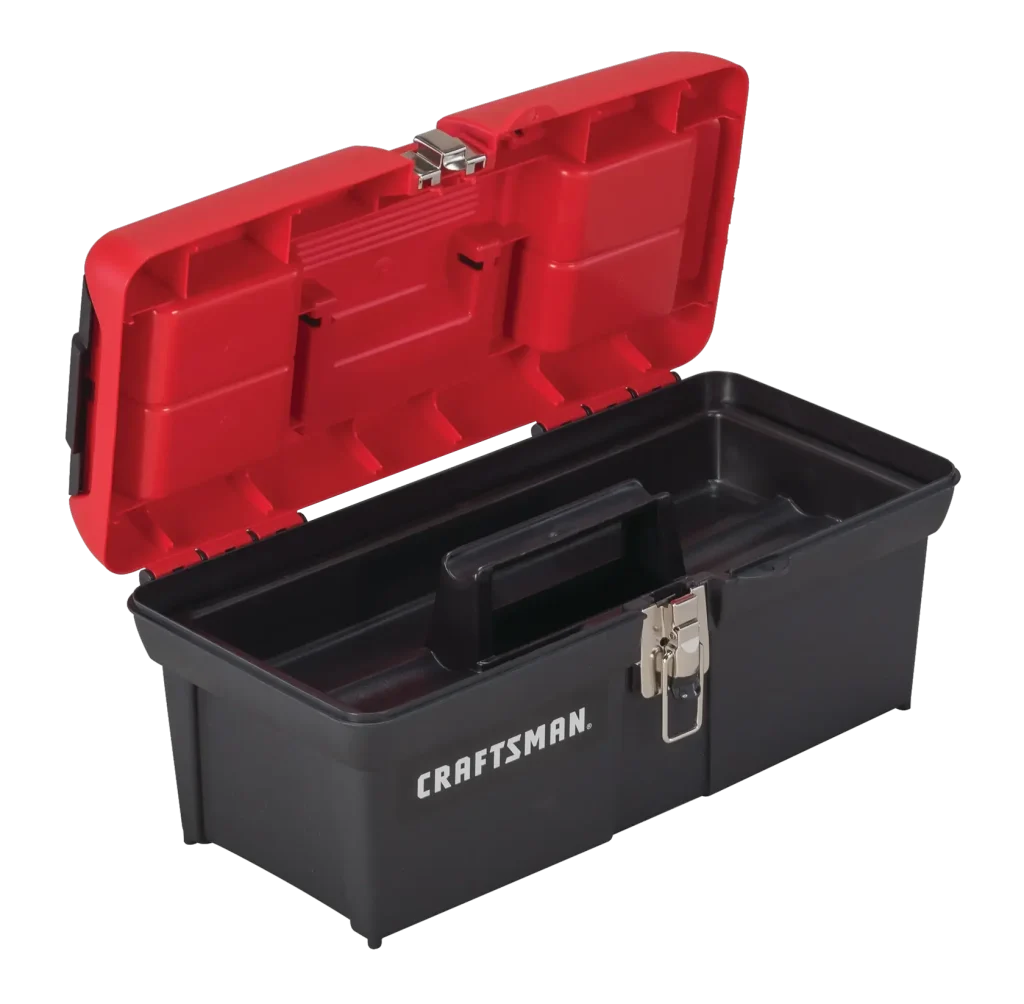
Have you ever needed to fix something quickly but didn’t know where to find the right tools? That’s where a tool box comes in handy.
A tool box is more than just a container—it’s your personal assistant for every repair, project, or creative idea. Imagine having everything you need neatly organized and ready to go whenever you need it. Curious to learn what exactly a tool box is and how it can make your life easier?
Keep reading, and you’ll discover why a good tool box is a must-have for everyone.
Types Of Tool Boxes
A tool box keeps your tools safe and organized. There are many types to choose from. Each type fits different needs and jobs.
Understanding the different kinds helps you pick the right one. This guide explains four common types of tool boxes.
Portable Tool Boxes
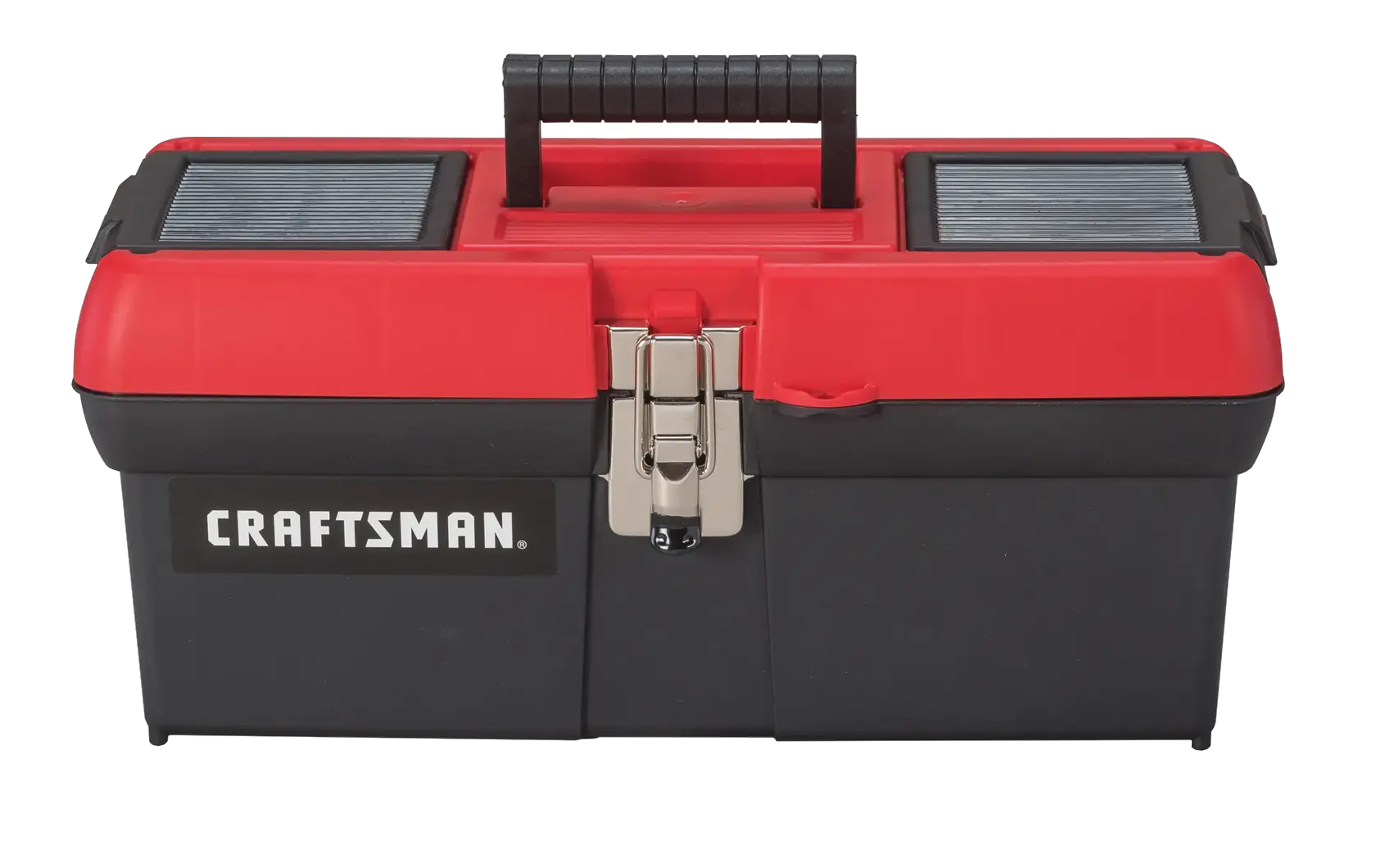
Portable tool boxes are small and easy to carry. They often have a handle on top. These boxes are good for light jobs.
They usually have compartments inside to keep tools neat. You can take them anywhere without trouble.
Rolling Tool Boxes
Rolling tool boxes have wheels and a handle. You pull them like a suitcase. They hold many tools and heavy items.
These boxes are great for workshops or big jobs. They make moving tools easy and reduce strain on your back.
Tool Chests
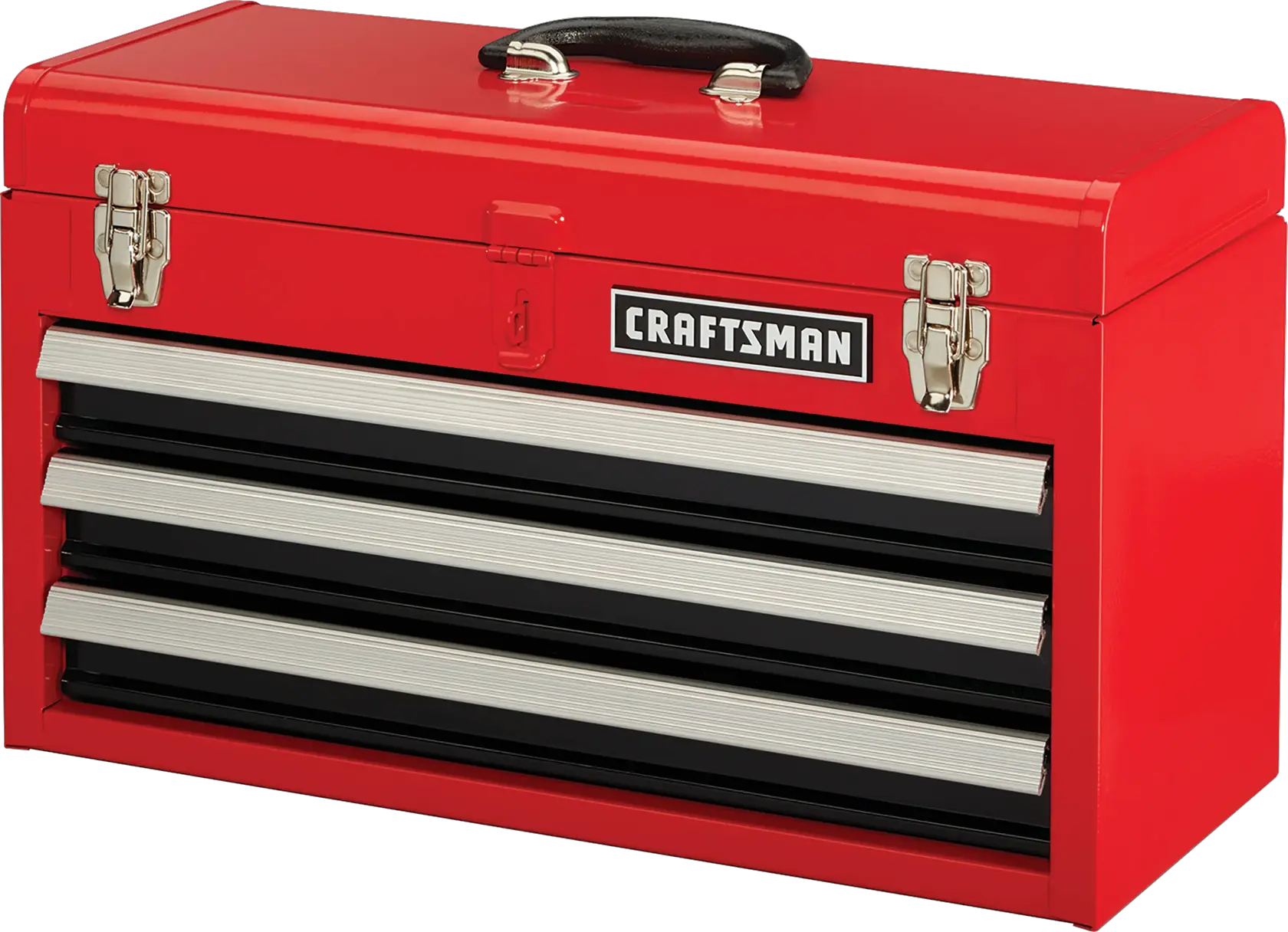
Tool chests are large and strong. They have many drawers to sort tools by size and type. Often, they stay in one place.
These chests are good for mechanics and serious hobbyists. They help keep a workspace clean and tools easy to find.
Tool Bags
Tool bags are soft and flexible. They have pockets inside and outside for different tools. Bags are light and easy to carry.
They work well for small jobs or when you need quick tool access. Some bags have shoulder straps for comfort.

Credit: www.amazon.com
Materials And Durability
Tool boxes come in different materials that affect their strength and weight. Choosing the right material helps keep your tools safe and easy to carry.
We will look at plastic, metal, and hybrid tool boxes. Each type offers different levels of durability and protection.
Plastic Tool Boxes
Plastic tool boxes are light and easy to carry. They resist water and many chemicals, which helps protect tools from rust and damage. They are good for home use and light jobs.
- Lightweight
- Water-resistant
- Less durable under heavy impact
- Usually lower cost
Metal Tool Boxes
Metal tool boxes offer strong protection for heavy tools. They can handle rough use and last longer. Steel and aluminum are common metals used. They may be heavier and can rust if not cared for.
| Metal Type | Durability | Weight | Rust Resistance |
| Steel | Very high | Heavy | Low without coating |
| Aluminum | High | Light | High |
Hybrid Materials
Hybrid tool boxes combine plastic and metal parts. This mix improves strength and reduces weight. They offer good durability and protection for various tools.
Benefits of Hybrid Tool Boxes:
- Metal frames with plastic lids for impact resistance
- Plastic bodies to keep weight low
- Usually come with secure locking systems
Size And Capacity
A tool box holds your tools safely and keeps them organized. Size and capacity matter for choosing the right one.
Tool boxes come in small, medium, and large sizes. Each size fits different needs and tool amounts.
Small Tool Boxes
Small tool boxes are easy to carry and store. They hold basic hand tools for simple jobs.
- Dimensions usually under 16 inches wide
- Capacity around 10 to 20 liters
- Good for home use or quick repairs
Medium Tool Boxes
Medium tool boxes offer more space for a wider range of tools. They balance portability with storage.
| Feature | Details |
|---|---|
| Width | 16 to 22 inches |
| Capacity | 20 to 40 liters |
| Use | DIY projects, small work sites |
Large Tool Boxes
Large tool boxes hold many tools and heavy items. They suit professional or large projects.
Large tool box features:
- Width over 22 inches
- Capacity above 40 liters
- Strong materials to support weight
- Multiple compartments and trays
- Often have wheels for easy moving
Credit: www.craftsman.com
Storage Features
A tool box is designed to keep tools organized and safe. Storage features help users find tools quickly.
Good storage options protect tools and make carrying easier. Different features work together for this.
Compartments And Trays
Compartments separate tools by type or size. They help keep everything in its place.
Trays inside the box slide out for easy access. They are useful for small items like screws and nails.
- Fixed compartments hold large tools securely
- Removable trays allow flexible storage
- Small slots keep tiny parts organized
Locking Mechanisms
Locking mechanisms keep the tool box closed during transport. They stop tools from falling out.
Some locks use latches or clasps. Others have built-in key or combination locks for extra security.
- Simple latches are easy to open and close
- Key locks protect tools from theft
- Combination locks do not require keys
Portability Enhancements
Portability features make it easy to carry a tool box to any job site. They reduce strain and improve comfort.
Handles and wheels are common enhancements. They allow users to move heavy boxes more easily.
- Ergonomic handles improve grip
- Telescoping handles extend for rolling
- Wheels reduce lifting effort
Choosing Based On Your Needs
A toolbox holds your tools and keeps them organized. Choosing the right toolbox depends on what you need.
Think about where you will use it and what tools you have. This helps you pick the best toolbox for your work.
For Home Use
Home toolboxes are good for small repairs and projects. They do not need to be very big or heavy.
Look for a toolbox with simple compartments to keep basic tools like screwdrivers and hammers.
- Lightweight and easy to carry
- Enough space for common tools
- Durable but not too large
For Professional Use
Professionals need toolboxes with more space and strong build. They carry many tools for different jobs.
Choose a toolbox with strong locks and many compartments. It should protect tools and keep them organized.
- Large size to hold many tools
- Metal or hard plastic for durability
- Secure locks and handles for safety
- Organizers for different tool types
For Outdoor And Mobile Work
Outdoor work needs toolboxes that resist weather and are easy to carry. They must keep tools dry and safe.
Look for waterproof and compact toolboxes with strong handles. Portability is very important for mobile jobs.
- Waterproof or water-resistant material
- Compact and lightweight design
- Strong handle for easy transport
- Good seal to keep out dirt and moisture
Budget Considerations
A tool box is essential for keeping tools organized. Many options suit different budgets. Consider your needs before buying.
Think about how much you can spend. This helps you find the best tool box for your money.
Affordable Options
Affordable tool boxes are great for beginners. They are simple and cost less.
These tool boxes are often made of plastic. They are lightweight and easy to carry.
- Plastic tool boxes with trays
- Small metal boxes for basic tools
- Simple latch systems
Mid-range Choices
Mid-range tool boxes offer more features. They are suitable for regular users.
These tool boxes are often more durable. They might include extra compartments and locks.
- Sturdy metal tool boxes
- Additional compartments for organization
- Lockable designs for security
Premium Tool Boxes
Premium tool boxes are for professionals. They offer the best quality and features.
These tool boxes are made from high-quality materials. They often have advanced security and storage solutions.
- Heavy-duty steel construction
- Customizable storage options
- Advanced locking mechanisms
Maintenance Tips
A tool box is essential for storing and organizing your tools. Regular maintenance keeps it in top condition. This guide offers tips to help you care for your tool box.
Proper care ensures your tool box lasts longer. It also keeps your tools protected and ready for use.
Cleaning Your Tool Box
Clean your tool box regularly to keep it in good shape. Dirt and debris can lead to wear and tear.
Use a soft cloth to wipe down the surfaces. Remove any spills or stains immediately. A mild soap solution can help with tougher stains.
- Empty your tool box before cleaning
- Use a soft brush for hard-to-reach areas
- Dry completely to prevent rust
Preventing Rust And Damage
Rust can damage your tools and tool box. Keep moisture away to prevent rust.
Store your tool box in a dry place. Use silica gel packs to absorb moisture inside the box.
- Apply a rust-proof spray on metal parts
- Check for rust regularly
- Repair any damage quickly
Organizing Tools Efficiently
Organize your tools to find them easily. A well-organized tool box saves time and effort.
Use dividers or trays to separate different types of tools. Label sections for quick access.
- Group similar tools together
- Keep frequently used tools on top
- Use foam inserts for protection
Credit: www.craftsman.com
Frequently Asked Questions
What Is A Tool Box Used For?
A tool box is used to store and organize tools efficiently. It keeps tools safe and easily accessible for projects.
What Materials Are Tool Boxes Made From?
Tool boxes are made from metal, plastic, or wood. Each material offers different durability and weight options.
How Do I Choose The Right Tool Box?
Choose a tool box based on size, material, and compartments. Consider portability and the types of tools you own.
Can Tool Boxes Be Locked For Security?
Yes, many tool boxes feature locks to protect tools. This adds security for valuable or specialized equipment.
Conclusion
A toolbox holds all the tools you need in one place. It keeps your tools safe and easy to find. Everyone from beginners to experts uses toolboxes daily. Choosing the right toolbox helps you work faster and smarter. Organize your tools well to avoid wasting time.
A good toolbox is a simple way to stay prepared. It makes fixing and building tasks easier and more fun. Having a toolbox is a smart step for any project.