

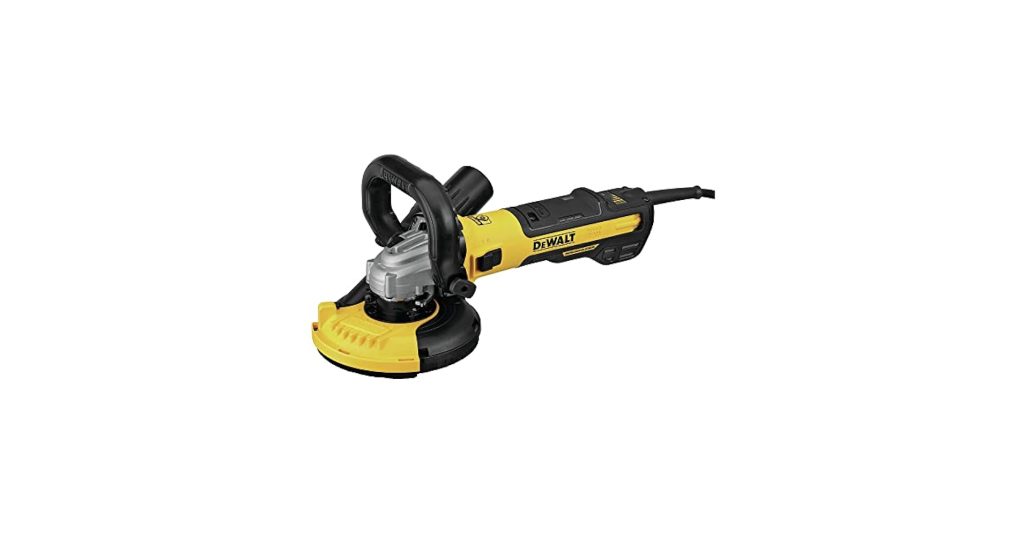
Are you planning to smooth out your concrete surfaces but don’t know which tool to choose? Finding the best tool for sanding concrete can save you time, effort, and frustration.
Whether you’re working on a small DIY project or a larger renovation, the right tool makes all the difference. You’ll discover the top options that professionals and DIYers trust. By the end, you’ll feel confident picking the perfect tool to get your concrete looking flawless.
Keep reading to make your sanding job easier and more effective!
Types Of Concrete Sanders
Concrete sanding helps smooth rough surfaces and remove old coatings. Different sanders fit different jobs and areas.
Choosing the right concrete sander makes the work easier and faster. Here are the main types of concrete sanders.
Handheld Sanders
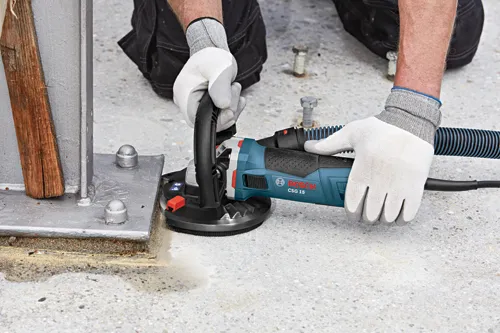
Handheld sanders are small and easy to control. They are good for small areas and tight spaces.
These sanders let you work on edges and corners where bigger machines cannot reach. They use sanding discs or pads.
- Lightweight and portable
- Best for small repairs and touch-ups
- Require manual handling
- Work well on uneven surfaces
Walk-behind Sanders
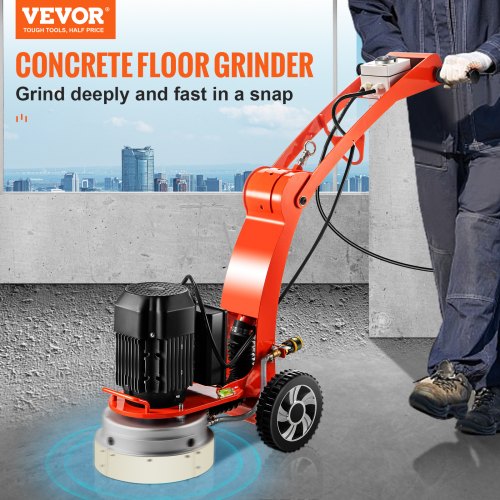
Walk-behind sanders are larger machines for big concrete floors. They cover wide areas quickly.
These sanders have multiple sanding heads and a handle to guide them. They are good for commercial and industrial jobs.
- Ideal for large floor surfaces
- Requires operator control from behind
- Can remove thick layers of material
- Often powered by electricity or gas
Rotary Sanders
Rotary sanders use a spinning disc to sand concrete. They create strong abrasion for fast material removal.
These sanders work well on flat surfaces. They are effective for smoothing and preparing concrete for finishing.
- Disc spins in one direction
- Good for aggressive sanding
- Can leave swirl marks if not used carefully
- Used for surface leveling and cleaning
Orbital Sanders
Orbital sanders move in small circles while spinning. This creates a smooth finish without deep scratches.
They are gentle on the surface and good for final sanding. Orbital sanders are easy to handle and control.
- Moves sanding pad in orbit pattern
- Produces fine, smooth surfaces
- Less aggressive than rotary sanders
- Good for finishing and light sanding

Credit: bestabrasives.com.au
Key Features To Consider
Choosing the best tool for sanding concrete depends on several important features. These features affect how well and how fast you can finish your project.
Understanding these key features helps you pick a tool that fits your needs and gives good results.
Power And Motor Strength
Power and motor strength determine how easily the tool sands rough concrete. A strong motor handles tough surfaces and works faster. Look for tools with enough power for your project size. Too little power may cause slow sanding or tool damage.
Abrasive Grit Options
Abrasive grit affects the smoothness of the concrete surface. Different grit sizes serve different purposes. Coarse grits remove rough patches, while fine grits polish the surface. Choose a tool that offers multiple grit options for better control.
- Coarse grit (30-40) for heavy material removal
- Medium grit (60-80) for smoothing surfaces
- Fine grit (100-150) for finishing and polishing
Dust Collection Systems
Concrete sanding creates a lot of dust. A good dust collection system keeps your workspace clean and safe. It helps reduce health risks and cleanup time. Check if the tool has built-in dust bags or can connect to a vacuum.
| Dust Collection Type | Benefits |
|---|---|
| Built-in Dust Bag | Easy to empty and carry |
| Vacuum Attachment | Better dust control for large jobs |
| No Dust System | Less clean workspace, more cleanup needed |
Ergonomics And Weight
Comfort matters when sanding concrete. Tools with good ergonomics reduce hand and arm strain. Lightweight tools are easier to handle for long periods. Look for padded grips and balanced weight for better control.
Top Tools For Different Projects
Sanding concrete needs the right tools for each task. Choosing the correct tool saves time and effort. Different jobs require different equipment to get the best results.
This guide covers tools for small repairs, large floors, polishing or grinding, and budget choices. Read on to find what suits your project.
Small-scale Repairs
For small concrete repairs, handheld tools work well. They are easy to control in tight spaces. A few common tools include angle grinders and palm sanders.
- Angle grinder with diamond sanding pads
- Palm sander for smooth finish
- Orbital sander for light sanding
- Handheld wire brush for cleaning
Large Surface Areas
Big concrete floors need powerful machines. Floor sanders and grinders cover wide areas fast. They make the work less tiring and more even.
| Tool | Best Use | Advantages |
| Floor Grinder | Large rough surfaces | Fast, smooth finish |
| Concrete Floor Sander | Polishing floors | Even sanding, less dust |
| Shot Blaster | Surface prep | Removes coatings, roughens surface |
Polishing Vs. Grinding
Grinding removes rough patches or coatings on concrete. Polishing makes the surface smooth and shiny. Both use different tools and pads.
- Grinding uses coarse pads or wheels.
- Polishing uses finer diamond pads.
- Grinding prepares the floor for polish.
- Polishing enhances the appearance.
Budget-friendly Options
You can find affordable tools for concrete sanding. Renting tools is a good choice for one-time jobs. Basic hand tools also work for small tasks.
- Rent large machines instead of buying
- Use multi-purpose tools
- Buy quality diamond pads that last longer
- Maintain tools regularly
Safety Tips For Sanding Concrete
Sanding concrete creates dust and requires careful handling. Safety is important to avoid injuries and health problems.
Use the right tools and follow safety steps to protect yourself during the sanding process.
Protective Gear
Wear protective gear to guard against dust and debris. This gear helps prevent breathing problems and skin injuries.
- Use a dust mask or respirator to avoid inhaling fine dust.
- Wear safety goggles to protect your eyes from flying particles.
- Put on heavy-duty gloves to protect your hands.
- Wear ear protection to reduce noise from sanding tools.
- Use long sleeves and pants to cover your skin.
Proper Ventilation
Good ventilation lowers dust levels in your work area. It also helps keep the air clean and safe to breathe.
Follow these ventilation tips:
- Work outdoors if possible.
- Open windows and doors to increase airflow.
- Use fans to blow dust away from you.
- Set up dust extraction systems if available.
Safe Handling Practices
Handle tools carefully to avoid accidents. Follow these safe handling rules to protect yourself and others.
| Action | Safety Tip |
| Start the sander | Check the tool before use and start it away from your body. |
| Move the sander | Keep a firm grip and move it steadily to avoid slips. |
| Clean up | Turn off and unplug tools before cleaning dust and debris. |
| Store tools | Keep tools in a safe place away from children. |
Maintenance And Care
Keeping your sanding tool in good shape helps it last longer. Proper care makes sanding concrete easier and safer.
Regular checks and cleaning prevent damage. Follow simple steps to maintain your tool and get better results every time.
Cleaning The Tool
After sanding, dust and debris build up on the tool. Clean it to avoid clogging and wear. Use a brush or compressed air to clear dust from vents and moving parts.
- Unplug the tool before cleaning
- Use a soft brush to remove dust
- Blow compressed air into vents
- Wipe the exterior with a dry cloth
- Check for stuck debris around sanding pads
Replacing Sanding Pads
Sanding pads wear down with use. Replace them to keep the tool effective. Old pads reduce sanding quality and can damage concrete surfaces.
| Signs to Replace Pads | Reason |
| Worn or torn edges | Less sanding power |
| Uneven surface | Uneven sanding finish |
| Reduced grip on concrete | Slips and scratches |
| Pad detaches during use | Safety risk |
Storage Recommendations
Store your sanding tool in a dry, cool place. Keep it away from moisture and dust to prevent rust and damage. Proper storage keeps it ready for use.
Tips for Storing Your Sanding Tool:
- Keep in original case or cover
- Store with sanding pads removed
- Place tool on a stable shelf
- Avoid stacking heavy items on top
- Check tool before each use
Credit: www.boschtools.com
Latest Innovations In Concrete Sanding Tools
Concrete sanding tools have evolved with new technology. These tools make sanding faster and easier. Understanding these innovations helps you choose the best tool.
New features offer better control and efficiency. Some tools are also designed to be eco-friendly. Let’s explore these advancements.
Smart Technology Features
Smart technology in sanding tools enhances precision and ease of use. Many tools now come with digital displays and sensors.
| Feature | Benefit |
| Digital Display | Shows speed and pressure |
| Sensors | Detect surface smoothness |
| Auto-Adjust | Modifies speed for consistency |
Eco-friendly Designs
Eco-friendly sanding tools help reduce environmental impact. These designs focus on energy efficiency and sustainable materials.
- Energy-efficient motors use less power
- Recyclable materials reduce waste
- Low noise levels for a quieter operation
Using these tools benefits both the user and the environment. They are becoming a popular choice for many professionals.
Credit: www.vevor.com
Frequently Asked Questions
What Is The Best Tool For Sanding Concrete Floors?
The best tool for sanding concrete floors is a concrete floor grinder. It uses diamond abrasive pads for smooth finishes and durability. This tool efficiently removes imperfections, stains, and coatings, ensuring a polished surface. It’s suitable for both small and large concrete areas.
Can Handheld Sanders Be Used On Concrete?
Handheld sanders can be used on concrete but are less effective. They work best for small, detailed areas or edges. For larger surfaces, a concrete grinder is recommended. Handheld sanders may struggle with tough concrete and consume more time.
Are Diamond Pads Necessary For Concrete Sanding?
Yes, diamond pads are necessary for concrete sanding. They are highly durable and provide efficient abrasion on hard surfaces. Diamond pads ensure smooth finishes and last longer than traditional sanding materials. Their grit variety allows for different sanding stages.
How Do Concrete Grinders Improve Sanding Quality?
Concrete grinders improve sanding quality by using rotating diamond pads. These pads evenly remove surface imperfections and create a smooth finish. Grinders allow better control and consistency. They also reduce sanding time compared to manual methods.
Conclusion
Choosing the right tool makes sanding concrete easier and faster. Different projects need different tools for best results. Consider the size, power, and dust control of each option. A good tool saves time and effort. Always pick a tool that fits your skill level and budget.
Taking care of your tool helps it last longer. With the right choice, your concrete will look smooth and clean. Sanding becomes less of a chore and more of a success. Your project deserves the best tool for the job.