

When you pick up an electric tool, you expect it to make your job easier and faster. But do you ever stop to think about the hidden dangers that come with using these tools?
Knowing the most common hazard can save you from serious injury and keep your work running smoothly. You’ll discover what risks you face every time you power up your electric tool—and how to protect yourself before it’s too late. Keep reading to make sure your safety comes first.

Credit: facs.com
Common Hazards Of Electric Tools
Electric tools are common in homes and workplaces. They make jobs easier and faster. But they also bring risks. Knowing these risks helps keep users safe. Common hazards include electrical shocks, burns, fires, and mechanical injuries. Each hazard has its own dangers and precautions.
Electrical Shock Risks
Electric tools use power that can cause shocks. A shock can harm the body or even cause death. Damaged cords or wet hands increase shock risk. Using tools with faulty wiring is very dangerous. Always check tools before use to avoid shocks.
Burn Injuries
Electric tools can get very hot during use. Contact with hot parts can cause burns. Sparks from tools may also burn skin or clothes. Wearing gloves and protective clothing lowers burn risks. Never touch tools immediately after use.
Fire Hazards
Faulty electric tools can start fires. Overheating or short circuits are common causes. Sparks can ignite flammable materials nearby. Keep work areas clean and free of debris. Use tools as instructed to reduce fire chances.
Mechanical Injuries
Moving parts in electric tools can cause cuts or bruises. Loose clothes or hair can get caught. Flying debris may injure eyes or skin. Use guards and safety gear to protect yourself. Stay alert and focused while using tools.
Causes Of Electrical Shocks
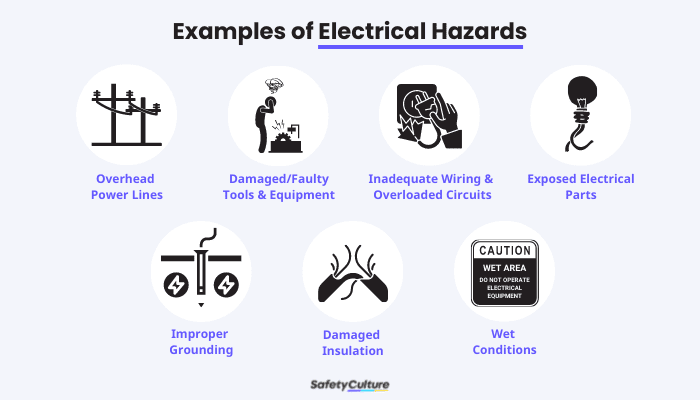
Electrical shocks are a serious risk when using electric tools. Understanding their causes helps to avoid accidents. Shocks happen because of problems with the tool or the environment. Knowing these causes keeps you safer and more confident while working.
Faulty Wiring And Insulation
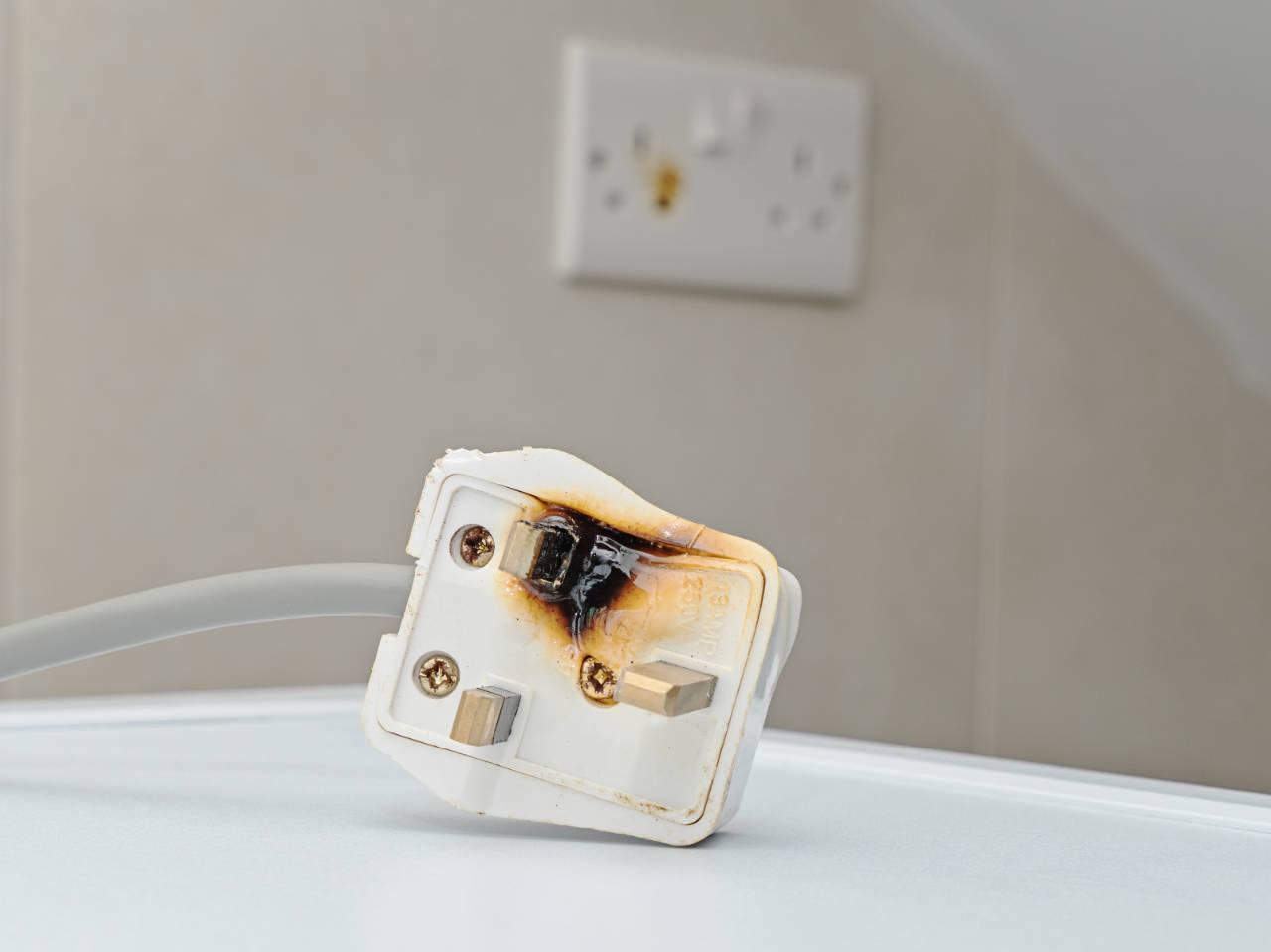
Wires inside tools carry electricity safely. Faulty wiring can expose live wires. Poor insulation lets electricity flow where it should not. This can cause a shock if you touch the tool. Always check wires and insulation for damage or wear.
Wet Conditions
Water conducts electricity very well. Using electric tools in wet places raises shock risk. Wet hands or tools increase the chance of electricity passing through the body. Avoid using electric tools near water or in rainy weather.
Damaged Tools
Tools with cracks or broken parts are dangerous. Damage can expose live parts or wires. This makes shocks more likely during use. Inspect tools before use and do not use damaged ones.
Improper Use
Using tools in the wrong way can cause shocks. Ignoring instructions or safety rules leads to accidents. Holding tools with wet hands or removing safety guards is risky. Follow guidelines carefully to stay safe.
Preventing Electrical Shocks
Electrical shocks are a serious risk when using electric tools. These shocks can cause injury or even death. Taking steps to prevent electrical shocks is very important. Simple actions can keep you safe and protect your health.
Regular Tool Inspection
Check your tools before every use. Look for cracks, frayed cords, or loose parts. Damaged tools can cause shocks easily. Fix or replace faulty tools immediately. Regular inspection helps catch problems early.
Using Ground Fault Circuit Interrupters
Use Ground Fault Circuit Interrupters (GFCIs) on all power sources. GFCIs stop the flow of electricity if a fault happens. They reduce the risk of electric shocks significantly. GFCIs are a simple safety step that saves lives.
Wearing Protective Gear
Wear rubber gloves and insulated boots. Protective gear stops electricity from passing through your body. Gloves and boots add a strong safety layer. Never use electric tools without proper gear.
Following Safety Guidelines
Read and follow all safety instructions carefully. Use tools only as directed by the manufacturer. Avoid working in wet or damp areas. Keep your work area clean and dry. These rules help reduce shock risks greatly.
Credit: praxis42.com
Safe Practices For Electric Tool Use
Using electric tools safely prevents injuries and accidents. Following safe practices protects you and others nearby. Learning proper storage, handling, and awareness reduces risks significantly.
Proper Storage And Maintenance
Store electric tools in dry, clean places. Avoid damp areas that cause rust or damage. Regularly check cords for cuts or frays. Keep tools sharp and clean for better performance. Replace worn parts immediately to avoid failures.
Correct Handling Techniques
Hold tools firmly with both hands. Keep fingers away from moving parts. Use the right tool for each job. Do not force tools beyond their limits. Always unplug tools before changing bits or cleaning.
Avoiding Risky Environments
Never use electric tools near water or wet surfaces. Avoid working in cluttered or dark areas. Keep the work area clear of obstacles. Ensure good lighting for better visibility. Remove flammable materials from the workspace.
Training And Awareness
Learn how to operate each tool correctly. Read the manual before use. Attend safety training sessions when possible. Stay alert and focused during work. Report damaged tools or unsafe conditions immediately.
Emergency Response To Electric Shocks
Electric shocks are a serious risk when using power tools. Quick and correct response can save lives. Knowing what to do right after a shock is crucial. This section explains the emergency steps to take if someone gets an electric shock.
Immediate Actions
Stop using the tool right away. Do not touch the person if they are still in contact with the electric source. Turn off the power supply or unplug the tool. Use a non-conductive object like wood to move the person away. Call for help immediately. Keep calm and act fast.
First Aid Measures
Check if the person is breathing and has a pulse. If not, start CPR if you know how. Cover any burns with a clean cloth. Do not apply ice or ointments. Keep the person lying down and warm. Monitor their condition until help arrives.
When To Seek Medical Help
Always seek medical help after any electric shock. Even mild shocks can cause hidden injuries. Go to the hospital if the person has burns, pain, confusion, or breathing problems. Follow up with a doctor to check the heart and nerves. Do not ignore symptoms.
Reporting Incidents
Report the electric shock to your supervisor or safety officer. Document what happened and how the person was treated. Reporting helps prevent future accidents. It ensures safety measures improve. Keep records for workplace safety compliance.

Credit: www.grainger.com
Frequently Asked Questions
What Is The Most Common Hazard Of Electric Tools?
The most common hazard when using electric tools is electric shock. It occurs due to faulty wiring or improper handling. This can cause serious injury or even death if safety precautions are ignored. Always inspect tools and use proper grounding to reduce risk.
How Can Electric Shock Happen With Power Tools?
Electric shock happens when current passes through the body. This can occur if tools have damaged cords or exposed wires. Using tools in wet conditions or without protective gear increases the risk. Regular maintenance and careful use minimize electric shock hazards.
What Safety Measures Prevent Electric Tool Accidents?
To prevent accidents, always wear insulated gloves and safety goggles. Use tools with intact cords and proper grounding. Avoid using electric tools near water. Follow manufacturer guidelines and disconnect tools before maintenance. These steps greatly reduce the chance of injury.
Why Is Grounding Important For Electric Tools?
Grounding provides a safe path for electric current to flow into the earth. It prevents electric shock by reducing the chance of current passing through the user. Tools with proper grounding protect users from electrical hazards and ensure safer operation.
Conclusion
Electric tools can be dangerous if not used with care. The most common hazard is electric shock. It happens when tools have faulty wires or wet hands touch them. Always check tools before use. Keep your hands dry and wear proper safety gear.
Staying alert prevents most accidents. Safety is simple but very important. Protect yourself and others by following these tips every time. Safe use of electric tools keeps work smooth and injury-free. Remember, a small mistake can cause big harm. Stay safe, stay smart.