


Have you ever wondered how those smooth, detailed edges on wooden furniture or cabinets are made? The secret often lies in a tool called a router.
If you’re curious about what a router tool is used for and how it can transform your woodworking projects, you’re in the right place. Understanding this tool can unlock new creative possibilities for you, whether you’re a beginner or looking to upgrade your skills.
Keep reading to discover how a router can become your best friend in shaping, cutting, and designing wood with precision.
Credit: www.boschtools.com
Router Tool Basics
A router tool is a power tool used to hollow out an area in hard materials. It is mostly used in woodworking to shape edges and make grooves.
People use routers to add decorative designs or to cut joints in wood. The tool is versatile and comes with different parts and accessories.
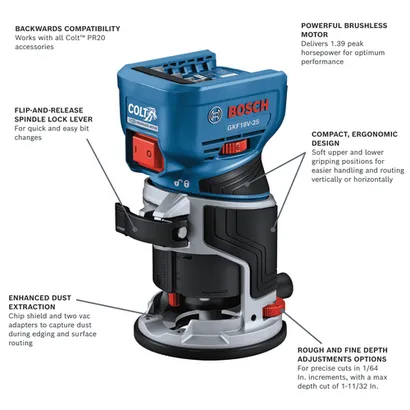
Key Components
The router tool has several main parts that help it work properly. Knowing these parts helps users operate the tool safely and effectively.
- Base:The flat bottom part that rests on the work surface.
- Motor:Powers the router bit to spin at high speeds.
- Collet:Holds the router bit tightly in place.
- Depth Adjustment:Allows control over how deep the bit cuts.
- Handles:Provide grip and control while guiding the tool.
Types Of Routers
There are different types of routers designed for specific tasks. Choosing the right type depends on the project and skill level.
- Fixed-Base Router:The bit stays at a set depth. Good for simple edge work.
- Plunge Router:The bit can move up and down during use. Ideal for making holes and grooves.
- Combo Router:Combines fixed and plunge bases for more flexibility.
- Trim Router:Small and lightweight for light trimming and shaping tasks.
Router Bits And Accessories
Router bits come in many shapes and sizes. Each bit creates a different cut or design on the wood.
| Bit Type | Use | Shape |
|---|---|---|
| Straight Bit | Cut straight grooves and dados | Flat bottom, straight sides |
| Round-Over Bit | Round edges for smooth corners | Curved cutting edge |
| Flush Trim Bit | Trim edges flush with a surface | Has a bearing to guide cuts |
| Chamfer Bit | Create angled edges | Beveled cutting edge |
Primary Uses Of A Router
A router is a versatile woodworking tool. It shapes and cuts wood with precision. Many woodworkers use it for detailed work and joinery.
This tool helps create smooth edges, grooves, and slots. It also cuts joints and follows patterns with templates. Below are its main uses.
Edge Profiling
Edge profiling means shaping the edges of wood pieces. A router adds decorative or functional shapes. It can make rounded, beveled, or ornate edges.
Grooving And Slotting
Routers cut grooves and slots in wood. These cuts help hold parts together or add design details. The depth and width of grooves can vary.
- Cutting dado grooves for shelves
- Making slots for sliding doors
- Creating channels for wiring or decoration
Cutting Joinery
Joinery means connecting wood pieces. A router cuts joints like dovetails and mortise and tenon. These joints strengthen furniture and cabinets.
| Joint Type | Purpose | Router Use |
| Dovetail | Strong corner joints | Precise angled cuts |
| Mortise and Tenon | Frame connections | Cut holes and matching tabs |
| Box Joint | Simple corner joints | Evenly spaced cuts |
Template Routing
Template routing uses a guide pattern. The router follows the template to copy shapes. This method ensures uniform cuts and shapes.
Benefits of Template Routing:
- Repeat exact shapes
- Save time on complex cuts
- Improve accuracy for multiple pieces
Benefits Of Using A Router
A router is a tool used to hollow out or shape wood. It helps woodworkers create smooth edges and detailed designs.
Using a router brings many benefits. It improves the quality and speed of woodworking projects.
Precision And Accuracy
Routers allow for very precise cuts. They help you follow exact lines and measurements.
This accuracy is important for fitting pieces together tightly. It reduces mistakes and waste.
Versatility In Woodworking
Routers can be used for many tasks. You can cut grooves, shape edges, and carve patterns.
This makes the router a useful tool for many woodworking projects. It works on different wood types and thicknesses.
Enhanced Efficiency
Using a router speeds up the work. It cuts faster than hand tools and saves time.
It also reduces the effort needed to make detailed cuts. This helps complete projects quicker.
Improved Finish Quality
A router creates smooth and clean edges. This improves the look of the final product.
It helps avoid rough surfaces and splinters. This makes sanding and finishing easier.
Credit: www.vevor.ca
Choosing The Right Router
A router is a tool used for shaping wood edges and cutting grooves. Choosing the right router helps you work better and faster.
There are different types of routers. Each type fits different tasks and skill levels.
Fixed Vs. Plunge Routers
Fixed routers have a set cutting depth. You lower the whole tool to start cutting.
Plunge routers let you lower the bit into the wood while running. This helps with cuts inside the material.
- Fixed routers are easy to use for edge work
- Plunge routers offer more control for complex cuts
- Fixed routers are usually lighter and simpler
- Plunge routers can be more versatile but heavier
Power And Speed Considerations
Power affects how well the router cuts through wood. More power means it can handle tougher jobs.
Speed controls how fast the router bit spins. Different speeds work better with different materials.
- Use higher power for hardwood and big bits
- Lower speeds work well for soft wood and small bits
- Variable speed routers let you adjust speed as needed
Ergonomics And Ease Of Use
Choose a router that feels comfortable to hold and use for long times. Good grips reduce hand fatigue.
Look for features like easy depth adjustment and smooth controls. These help make your work precise and fast.
- Rubber handles improve grip and comfort
- Clear depth scales help set cutting depth accurately
- Lightweight models are easier to handle
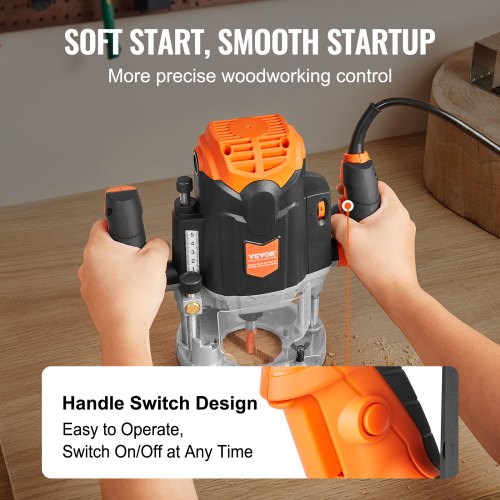
- Soft-start motors reduce jerking when starting
Safety Tips For Router Use
A router is a powerful woodworking tool. It shapes edges and cuts patterns. Using it safely is very important to avoid injuries.
Follow safety tips to protect yourself and keep your router working well. Always be careful and prepared before starting.
Proper Handling Techniques
Hold the router firmly with both hands. Keep a steady grip to control the tool during use. Avoid forcing the router into the wood.
- Check the router bit is tight before turning on.
- Start the router before it touches the wood.
- Move the router slowly and smoothly along the cut.
- Keep your fingers away from the spinning bit.
- Turn off the router before setting it down.
Protective Gear
Wear protective gear to reduce injury risks. Eye and ear protection are very important.
- Safety glasses protect your eyes from flying chips.
- Hearing protection helps prevent damage from loud noise.
- Wear a dust mask to avoid breathing wood dust.
- Use gloves only if they do not interfere with grip.
Maintenance And Care
Keep your router clean and in good condition. Regular checks make the tool safer and last longer.
| Maintenance Task | Frequency | Purpose |
| Clean router bits | After each use | Remove resin and dust |
| Inspect power cord | Monthly | Check for damage or wear |
| Lubricate moving parts | Every 3 months | Ensure smooth operation |
| Check bit tightness | Before each use | Prevent loose bits |

Credit: infinitytools.com
Frequently Asked Questions
What Is A Router Tool Used For In Woodworking?
A router tool shapes edges, grooves, and decorative patterns in wood. It creates precise cuts and smooth finishes for carpentry projects. It’s essential for cabinetry, furniture, and trim work.
How Does A Router Tool Improve Woodworking Projects?
A router tool enhances accuracy and detail in woodworking. It allows clean, consistent cuts and intricate designs. This results in professional-quality finishes and efficient project completion.
Can A Router Tool Cut Different Materials?
Yes, routers can cut wood, plastic, and some soft metals. Using the correct bit and speed ensures clean cuts. Always follow safety guidelines for each material type.
What Types Of Router Bits Are Commonly Used?
Common router bits include straight, round-over, chamfer, and flush-trim bits. Each bit shapes wood differently for edges, grooves, and joints. Choosing the right bit is key for desired results.
Conclusion
A router tool helps shape and smooth wood edges. It makes designs clean and precise. Many people use it for furniture and crafts. This tool saves time and effort. Anyone can learn to use it with practice. It brings creativity to simple wood projects.
Understanding its use can improve your work. Try a router tool for your next project. You will see the difference it makes.