

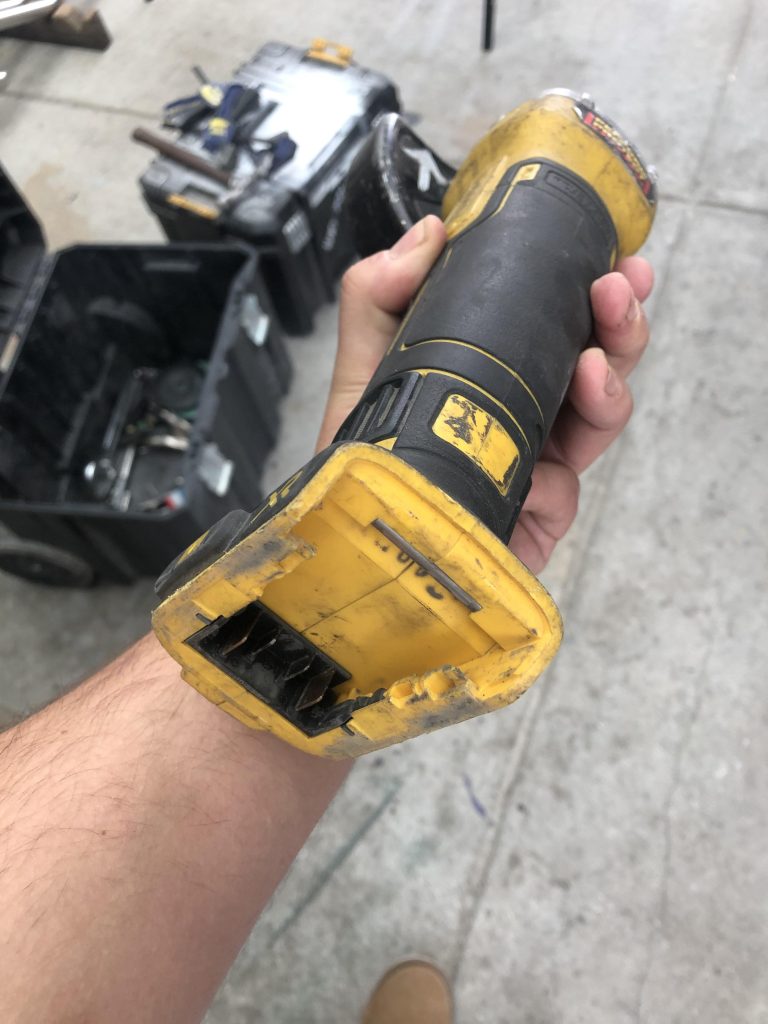
When was the last time you gave your hand and power tools a proper cleaning? If you’re like most people, it’s probably been a while.
But here’s the truth: keeping your tools clean isn’t just about looks—it directly affects their performance and how long they last. Imagine reaching for your favorite drill or wrench, only to find it clogged with grime or rust. Frustrating, right?
You’ll discover exactly what you should use to clean your tools safely and effectively. By the end, your tools will feel almost brand new, ready to tackle any job you throw their way. Keep reading—you don’t want to miss these simple but powerful cleaning tips!

Credit: www.livowalny.com
Types Of Hand And Power Tools
Tools come in many shapes and sizes. They help us build, fix, and create. Knowing the types of hand and power tools is key to cleaning them properly. Each tool needs special care to stay in good shape. This section explains common hand and power tools. It guides you on what to use for cleaning.
Common Hand Tools
Hand tools work without electricity. People use them by holding and moving them. Examples include hammers, screwdrivers, wrenches, and pliers. These tools often get dirt, grease, and rust on their surfaces. Cleaning them well keeps them strong and ready for work. A soft cloth and mild cleaner usually work well. For rust, a wire brush or sandpaper helps remove it gently. Avoid harsh chemicals that can damage the metal or handles.
Popular Power Tools
Power tools run on electricity or batteries. They make work faster and easier. Drills, saws, sanders, and grinders are common power tools. Dust, oil, and debris collect on and inside them. Cleaning power tools requires care to avoid water damage. Use a dry brush or compressed air to clear dust. Wipe surfaces with a damp cloth and mild soap. Keep vents and moving parts free from buildup. Proper cleaning extends tool life and keeps them safe to use.
Why Cleaning Tools Matters
Cleaning hand and power tools is important. Dirt, grease, and moisture can damage them. Keeping tools clean helps them work well and last longer. It also saves money on repairs and replacements. Simple cleaning routines protect your investment and keep tools ready for any job.
Preventing Rust And Corrosion
Rust and corrosion weaken tools. They form when metal meets moisture and dirt. Cleaning tools removes these harmful elements. Drying tools after cleaning stops rust from forming. Using light oil can protect metal parts. Preventing rust keeps tools strong and safe to use.
Maintaining Tool Performance
Dirty tools do not work properly. Dust and grime can block moving parts. Cleaning removes buildup that slows tools down. Well-maintained tools cut, drill, or fasten better. This makes work easier and faster. Good performance means better results every time.
Extending Tool Lifespan
Regular cleaning helps tools last longer. Dirt and rust cause parts to wear out fast. Removing debris reduces friction and damage. Clean tools need fewer repairs. This saves money over time. Taking care of tools means they stay useful for years.
Essential Cleaning Supplies
Keeping hand and power tools clean helps them last longer and work better. Using the right supplies makes cleaning easier and more effective. Essential cleaning supplies remove dirt, grease, and rust safely without damaging tools. These supplies also protect tools from wear and tear over time.
Cleaning Solutions And Solvents
Choose mild detergents or specialized tool cleaners for most tools. These solutions break down grime and grease quickly. Avoid harsh chemicals that may damage tool parts or finishes. For tough grease, use solvents like mineral spirits or rubbing alcohol. Test solvents on a small area before full use to prevent damage.
Brushes And Cloths
Use soft brushes to remove dust and dirt from tool surfaces. Stiff brushes work well for scrubbing rust or hardened grime. Microfiber cloths trap dust and wipe tools without scratching. Avoid rough fabrics that can damage tool finishes. Keep cloths clean and dry for best results.
Lubricants And Protectants
Lubricate moving parts to keep tools running smoothly and prevent rust. Use light machine oil or spray lubricants designed for tools. Apply protectants like silicone spray to metal surfaces to guard against moisture. Regular lubrication reduces wear and improves tool lifespan.
Cleaning Techniques For Hand Tools
Cleaning hand tools keeps them working well and lasting longer. Dirt, rust, and old grease can stop tools from doing their job. Regular care helps avoid damage and saves money. Using simple steps, you can make your tools clean and smooth again.
Removing Dirt And Debris
Start by brushing off loose dirt with a stiff brush. Use a cloth to wipe away dust and grime. For sticky spots, dip a rag in soapy water. Scrub gently to avoid damage. Dry the tool fully to stop rust from forming.
Dealing With Rust
Rust weakens tools and makes them hard to use. Rub the rusty area with steel wool or a wire brush. Use white vinegar or lemon juice for tough rust. Soak the tool for a few hours if needed. Wipe clean and dry the tool after treatment.
Lubricating Moving Parts
Moving parts need oil to work smoothly. Apply a few drops of light machine oil or WD-40. Move the parts to spread the oil evenly. Wipe off extra oil to avoid dirt buildup. Regular oiling stops squeaks and prevents rust.
Cleaning Power Tools Safely
Cleaning power tools keeps them working well and lasts longer. It also helps avoid damage and accidents. Power tools need special care because they have electric parts. Clean them safely to protect yourself and the tool. Follow easy steps to clean power tools the right way.
Unplugging And Disassembly
Always unplug power tools before cleaning. This stops electric shocks or the tool starting by mistake. Take off parts you can remove, like blades or guards. Check the manual for safe disassembly tips. Keep small parts safe so you don’t lose them.
Dust And Debris Removal
Use a brush or cloth to clear dust and dirt. Compressed air can blow out hard-to-reach spots. Avoid water on parts that can rust or short circuit. Clean the vents well to prevent overheating. Remove all debris to keep the tool working smoothly.
Electrical Component Care
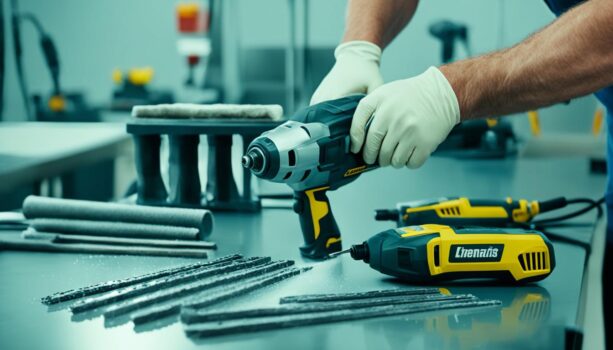
Never soak electrical parts in water or cleaners. Use a dry cloth or soft brush on these areas. Check cords for cracks or damage and replace if needed. Keep connections dry to avoid short circuits. Proper care protects both you and the tool.
Credit: smartdiywithme.com
Tool Storage Tips
Proper tool storage keeps your hand and power tools in good shape. It stops rust and damage. Tools last longer and work better when stored right. Follow these simple tips for storing your tools safely.
Dry And Clean Environments
Store tools in a dry place to stop rust and corrosion. Moisture can damage metal and electrical parts. Choose a room with low humidity and good airflow. Avoid damp basements or garages. Clean tools before storing to remove dirt and grease. Clean surfaces help prevent buildup and damage.
Protective Covers And Cases
Use covers or cases to protect tools from dust and scratches. Soft cloth covers work well for hand tools. Hard cases suit power tools and delicate equipment. Cases also keep tools organized and easy to find. Protect sharp edges and sensitive parts to avoid accidents.
Regular Inspection And Maintenance
Check stored tools regularly for damage or wear. Look for rust, loose parts, or broken handles. Clean tools during inspection to keep them ready for use. Tighten screws and oil moving parts. Early care saves tools from bigger problems later.
Common Mistakes To Avoid
Cleaning hand and power tools is important for their performance and life. Many people make simple mistakes that harm their tools. Avoiding these errors keeps tools working well and safe to use.
Using Harsh Chemicals
Harsh chemicals can damage tool surfaces and parts. Strong cleaners might eat away paint or plastic. They can also corrode metal parts. Use mild soap and water or cleaners made for tools. This keeps tools safe and clean.
Neglecting Regular Cleaning
Tools get dirty fast with dust and grease. Ignoring regular cleaning lets dirt build up. This buildup causes tools to work poorly. Clean tools after each use. It helps stop rust and keeps parts moving smoothly.
Ignoring Manufacturer Guidelines
Each tool has cleaning rules from the maker. Ignoring these can cause damage or void warranties. Read the instructions before cleaning. Use recommended products and methods. This protects your tools and your purchase.

Credit: smartdiywithme.com
Frequently Asked Questions
What Is The Best Cleaner For Hand Tools?
The best cleaner for hand tools is a mild detergent mixed with warm water. Avoid harsh chemicals that can damage metal or wood parts. Use a soft brush or cloth to remove dirt and grease effectively without scratching the tools.
How Do You Clean Power Tools Safely?
Unplug power tools before cleaning to avoid accidents. Use a dry cloth or compressed air to remove dust. For stubborn grime, a slightly damp cloth with mild soap works well. Never immerse power tools in water to protect electrical components.
Can Wd-40 Be Used For Cleaning Tools?
Yes, WD-40 is effective for cleaning and lubricating tools. It removes rust and loosens stuck parts. Apply it sparingly with a cloth and wipe off excess to prevent buildup. It also helps protect tools from future corrosion.
How Often Should You Clean Hand And Power Tools?
Clean your hand and power tools after every use to maintain performance. Regular cleaning prevents rust, dirt buildup, and extends tool life. For heavy use, deep clean monthly to ensure optimal function and safety.
Conclusion
Cleaning hand and power tools keeps them working well and lasting longer. Use simple supplies like brushes, cloths, and mild cleaners. Avoid harsh chemicals that can damage tool parts. Dry tools fully to stop rust and wear. Regular care saves money and time over repairs.
Clean tools also work safer and better. Small efforts make a big difference in tool life. Keep your tools ready for any job.