

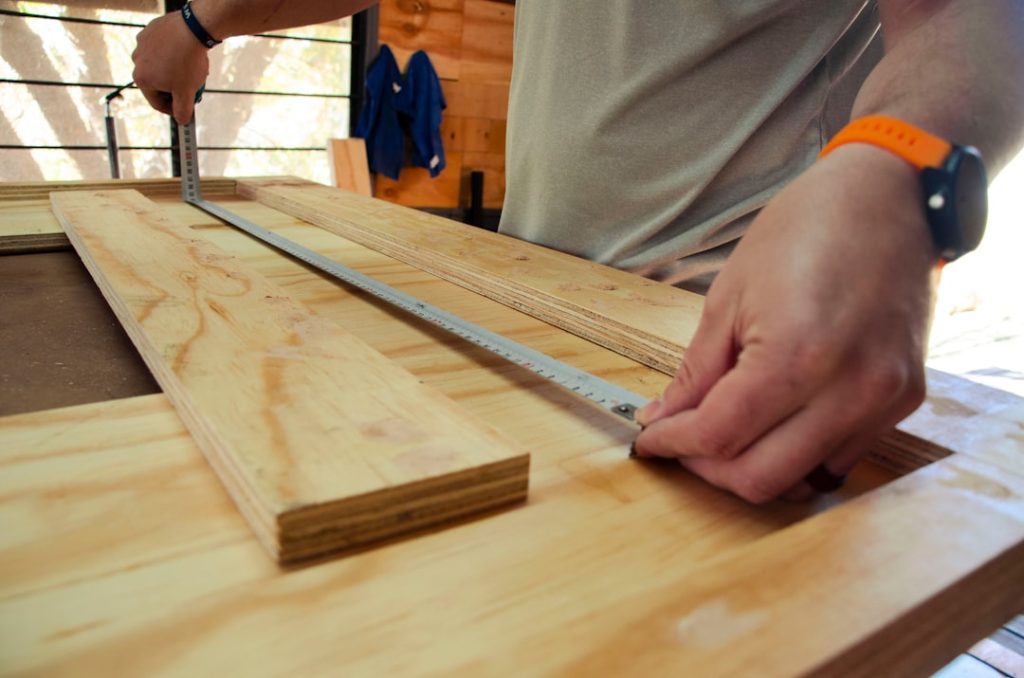
When it comes to working with wood, choosing the right tool to cut your boards can make all the difference. You might have faced the frustration of uneven cuts or struggled with tools that just don’t fit your project.
What if the tool you pick could save you time, improve your accuracy, and make your work easier? You’ll discover the best options for cutting wood boards, how to pick the perfect tool for your needs, and tips to get clean, precise cuts every time.
Keep reading to find out which tool will transform your woodworking experience.
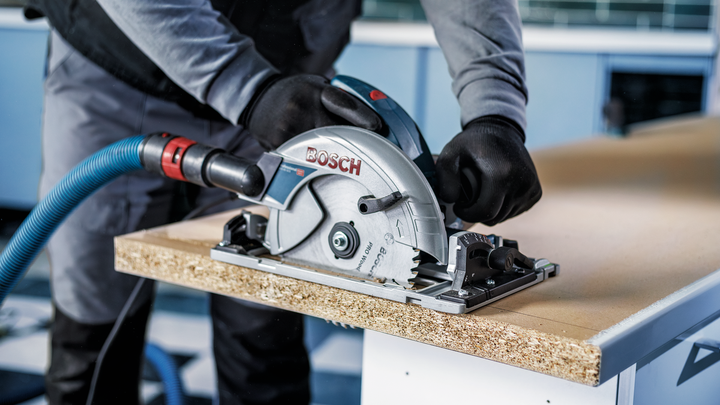
Credit: www.bosch-professional.com
Types Of Wood Cutting Tools
Cutting wood boards requires the right tool for clean and safe cuts. Different tools fit different jobs and skill levels.
Choosing the right wood cutting tool helps you work faster and get better results.
Hand Saws
Hand saws are simple tools for cutting wood by hand. They have sharp teeth on a flat blade.
They work well for small projects and straight cuts. Hand saws are quiet and do not need power.
Circular Saws
Circular saws have a round, spinning blade powered by electricity. They cut wood quickly and straight.
They are good for cutting large boards and sheets of wood. Circular saws are portable and easy to use.
Jigsaws
Jigsaws have a small blade that moves up and down. They cut curves and shapes in wood boards.
These saws are useful for detailed and curved cuts. Jigsaws work well on thinner wood pieces.
Miter Saws
Miter saws have a blade mounted on a swing arm. They make angled cuts called miters on wood boards.
These saws are perfect for frames and trim work. Miter saws provide accurate and clean cuts.
Table Saws
Table saws have a circular blade sticking up through a flat table surface. You push wood boards to cut them.
They are ideal for making straight, long cuts. Table saws are common in workshops and woodworking shops.
Band Saws
Band saws use a long, continuous blade in a loop. The blade moves on two wheels to cut wood.
They can cut curves and irregular shapes. Band saws work well on thick and thin wood boards.

Credit: www.yahoo.com
Factors For Choosing The Right Tool
Choosing the right tool to cut wood boards depends on many factors. Picking the correct tool makes your job easier and safer.
Understanding what you need helps you select the best saw or cutter for your project.
Type Of Cut Needed
Different cuts require different tools. Straight cuts work well with circular saws. Curved or detailed cuts need jigsaws or scroll saws.
Wood Thickness And Hardness
Thicker or harder wood needs stronger, more powerful tools. Thin wood can be cut with smaller saws or hand tools.
Portability And Ease Of Use
If you work in different places, a portable tool is best. Handheld saws and cordless models offer easy use and movement.
- Lightweight tools reduce fatigue
- Battery-powered tools work without cords
- Compact tools fit small workspaces
Precision Requirements
High precision cuts need tools with good control and fine blades. Tools like miter saws or table saws offer accurate cuts.
| Tool Type | Precision Level | Best For |
|---|---|---|
| Hand Saw | Low | Rough cuts |
| Circular Saw | Medium | Straight cuts |
| Miter Saw | High | Angles, trim work |
| Jigsaw | Medium | Curves, shapes |
Budget Considerations
Tools range from low to high cost. Think about how often you will use the tool before buying.
- Basic hand saws are cheap
- Power saws cost more but save time
- Consider buying used tools to save money
- Factor in blade replacements and maintenance
Top Picks For Precision Cutting
Cutting wood boards with precision needs the right tool. Choosing the best saw improves your work quality.
This guide covers top saws for different cutting needs. Find the tool that fits your project perfectly.
Best Hand Saw For Detail Work
Hand saws offer control for fine and detailed wood cutting. They work well for small projects and tight spots.
- Look for a saw with a thin blade for delicate cuts.
- A comfortable handle helps reduce fatigue.
- Fine teeth count means smoother edges.
Most Accurate Circular Saw
Circular saws cut fast and straight. Accuracy depends on blade quality and guide features.
Use a saw with adjustable depth and bevel for varied cuts. A laser guide can improve precision.
Precision Miter Saws
Miter saws make angled cuts with great accuracy. They are ideal for frames and trim work.
| Feature | Benefit |
| Laser guide | Shows exact cut line |
| Adjustable bevel | Allows angled cuts up to 45° |
| Sliding arm | Supports wider boards |
Table Saws For Fine Cuts
Table saws provide steady support for smooth, straight cuts. They suit larger wood pieces.
- Choose a model with a rip fence for straight cuts.
- Look for a fine-tooth blade for cleaner edges.
- Safety features like blade guards are important.
Specialty Saws For Complex Cuts
Specialty saws handle tricky cuts like curves and joinery. They add flexibility to your toolset.
- Jigsaw – for curved and irregular cuts
- Scroll saw – for intricate patterns and fine details
- Band saw – for resawing and cutting thick wood
Tips For Maintaining Cutting Tools
Cutting tools need care to work well and last long. Keeping them sharp and clean helps you cut wood boards easily.
Use simple steps to maintain your tools safely and correctly. This guide covers key tips for good tool care.
Sharpening Blades
Sharp blades cut wood smoothly and reduce accidents. Dull blades force you to use more pressure, which can cause mistakes.
- Use the right sharpening tool for your blade type.
- Follow the blade’s angle while sharpening.
- Sharpen regularly, not only when blades look dull.
- Wear safety glasses to protect your eyes.
- Clean the blade after sharpening to remove metal dust.
Proper Storage
Store cutting tools in a dry, safe place. Proper storage prevents rust and damage to blades and handles.
- Keep blades covered with guards or sheaths.
- Hang tools or place them in toolboxes to avoid dropping.
- Store in a place away from moisture and dust.
- Avoid stacking tools where blades touch each other.
Cleaning And Lubrication
Clean tools after each use to remove wood dust and sap. Lubrication keeps moving parts working smoothly.
| Cleaning Task | Recommended Method |
| Remove wood dust | Use a soft brush or cloth |
| Remove sap or resin | Use rubbing alcohol or special cleaner |
| Lubricate moving parts | Apply light machine oil or silicone spray |
| Dry tools | Wipe with dry cloth before storage |
Safety Checks
Check tools before use to avoid accidents. Look for damage and test parts to ensure safe cutting.
- Inspect blades for cracks or chips.
- Check handles for tightness and cracks.
- Test moving parts for smooth operation.
- Replace worn or broken parts immediately.
- Wear protective gear when using cutting tools.
Accessories To Improve Cutting Accuracy
Cutting wood boards precisely needs more than just a sharp saw. Using the right accessories helps you make clean and exact cuts.
These tools keep your wood steady, measure accurately, and guide your saw along the right path.
Clamps And Guides
Clamps hold wood firmly so it does not move while cutting. Guides help your saw follow a straight line. Both are vital for accuracy.
- Use bar clamps for large boards
- Try toggle clamps for quick holding
- Edge guides keep cuts straight
- Fence guides assist with repeated cuts
Measuring Tools
Measuring tools mark exact cut lines. They reduce mistakes and save wood from waste.
| Tool | Use |
|---|---|
| Tape Measure | Measure lengths quickly |
| Combination Square | Mark straight and angled lines |
| Marking Gauge | Score wood for precise cuts |
| Pencil | Make visible marks |
Dust Collection Systems
Dust clouds can hide cut lines and make the work area unsafe. Dust collection keeps the workspace clean and improves visibility.
Attach a dust collector or vacuum to your saw. This removes sawdust right where the cut happens.
Laser Guides
Laser guides project a bright line onto wood boards. This line shows exactly where the blade will cut.
Advantages of Laser Guides:
- Improves cutting accuracy
- Easy to follow line
- Works on many saw types
- Helps with angled cuts

Credit: www.findbuytool.com
Frequently Asked Questions
What Is The Best Tool To Cut Wood Boards?
The best tool depends on the cut type. A circular saw is ideal for straight cuts. For precision, a miter saw works best. Hand saws suit small or detailed cuts. Choose based on your project needs and skill level.
Can I Use A Jigsaw For Cutting Wood Boards?
Yes, a jigsaw is great for curved or intricate cuts. It offers control and versatility. However, it’s slower for long straight cuts compared to circular saws. It’s perfect for detailed woodworking projects or irregular shapes.
How Do I Choose The Right Saw Blade For Wood?
Choose blades with more teeth for smooth cuts, fewer teeth for fast cuts. Use carbide-tipped blades for durability. Match blade size and type to your saw and wood thickness. Proper blades ensure clean, efficient cutting and extend tool life.
Is A Hand Saw Effective For Cutting Wood Boards?
Hand saws are effective for small projects or light tasks. They require manual effort and offer control. Ideal for beginners or when power tools aren’t available. For larger boards or frequent cuts, power saws save time and effort.
Conclusion
Choosing the right tool makes wood cutting easier and safer. Each tool fits different needs and skills. Hand saws work well for small jobs. Power saws save time on bigger projects. Always pick the tool that suits your wood type and cut style.
Practice helps you get better and more confident. Safety gear is a must every time you cut wood. With the right tool and care, your wood projects will turn out great. Keep trying and enjoy the process.