

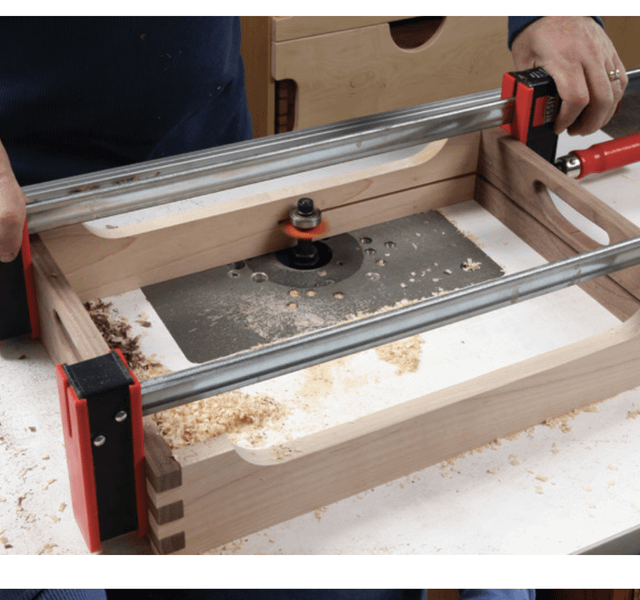
Are you ready to take your woodworking skills to the next level? Cutting slots in wood might sound simple, but choosing the right tool can make all the difference between a clean, precise cut and a frustrating, uneven mess.
Whether you’re working on a DIY project or a professional build, knowing which tool fits your needs can save you time, effort, and headaches. You’ll discover the best tools for cutting slots in wood, how to use them effectively, and tips to get perfect results every time.
Keep reading to find out which tool will become your new favorite in the workshop!
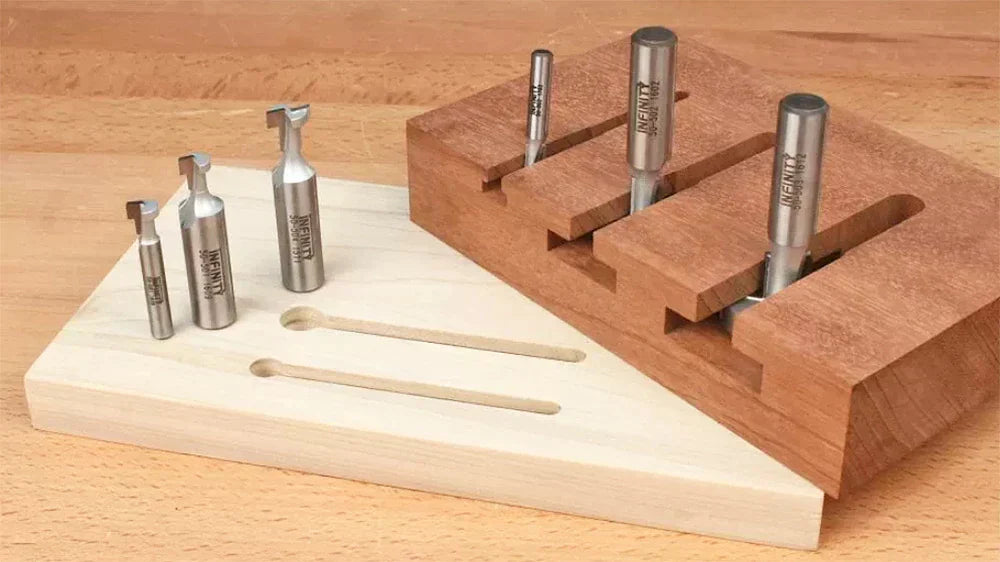
Credit: infinitytools.com
Types Of Slot Cutting Tools
Cutting slots in wood needs the right tool. Different tools work well for different jobs. Choosing the right one saves time and makes clean cuts.
This guide explains three main types of slot cutting tools. Learn about hand tools, power tools, and CNC machines. Each has its own uses and advantages.
Hand Tools
Hand tools are simple and easy to use. They do not need electricity and work well for small or detailed jobs. They offer control but take more effort.
- Chisels: Used for precise slot cutting by hand.
- Hand saws: Small saws like dovetail saws cut narrow slots.
- Files: Smooth and shape slots after cutting.
- Router planes: Help level the slot bottom.
Power Tools
Power tools speed up slot cutting. They use motors to cut faster and with less effort. These tools are good for many woodworking projects.
| Tool | Use | Best For |
| Router | Cut slots with different bits | Precise and adjustable slots |
| Jigsaw | Cut curved or straight slots | Irregular slot shapes |
| Table Saw | Cut slots using dado blades | Wide, straight slots |
| Dremel | Small slots and detail work | Fine, small slots |
Cnc Machines
CNC machines cut slots with computer control. They offer high precision and repeatability. CNC tools are great for complex designs and large batches.
CNC slot cutting benefits:
- Very accurate cuts
- Consistent results every time
- Can cut complex patterns
- Works well for mass production
Key Features To Consider
Choosing the right tool for cutting slots in wood is important. The right tool makes your work easier and better.
Look at key features before buying. These help you pick the best tool for your needs.
Precision And Accuracy
Cutting slots needs a tool that gives clean and exact cuts. Good precision stops mistakes and saves wood.
Look for tools with adjustable depth and guides. These help control how deep and straight the cut is.
- Adjustable cutting depth
- Strong guide fences for straight cuts
- Sharp, durable blades
- Stable base to reduce wobble
Ease Of Use
The tool should be easy to handle, even for beginners. It saves time and reduces tiredness during work.
Look for lightweight tools with simple controls. Quick blade changes and clear markings also help.
- Lightweight and balanced design
- Easy-to-read measurement scales
- Simple blade change system
- Comfortable handles
Durability
A strong, long-lasting tool saves money over time. Durable parts stand up to heavy use and rough conditions.
Check for high-quality materials like steel or aluminum. Good build quality means fewer repairs and replacements.
- Metal body or parts
- Rust-resistant coatings
- Strong blade holders
- Reliable motor (for powered tools)
Cost
Price matters but do not pick only the cheapest option. Balance cost with features and quality.
Higher cost may mean better precision, ease, and durability. Set a budget and find the best tool in that range.
- Compare prices of similar tools
- Check what features come with each price
- Consider long-term savings from durable tools
- Look for warranty or service options
Best Hand Tools For Slot Cutting
Cutting slots in wood requires precision and the right tools. Hand tools give you control over the depth and width of the slot.
This guide covers two common hand tools that work well for slot cutting: chisels and hand routers.
Chisels
Chisels are sharp blades attached to a handle. They are used to remove wood carefully. Woodworkers often use chisels to cut slots by hand.
- Choose a chisel with a sharp, flat blade for clean cuts.
- Mark the slot area before cutting to stay accurate.
- Use a mallet to tap the chisel gently and remove wood in layers.
- Work slowly to avoid splitting the wood.
Hand Routers
Hand routers are handheld tools with a spinning bit. They can cut slots quickly and evenly by removing wood as you guide the tool.
| Feature | Details |
| Power Source | Manual or electric |
| Slot Depth Control | Adjustable depth settings |
| Bit Types | Straight, spiral, or flush trim |
| Best Use | Long, straight slots and grooves |
Top Power Tools For Slot Cutting
Cutting slots in wood requires precision and the right tool. Many power tools can make this task easier and faster. Choosing the best tool depends on the job size and type of slot you need.
This guide covers three popular power tools used for slot cutting. Each tool has unique features for different woodworking needs.
Router With Slotting Bits
A router with slotting bits is perfect for cutting clean, precise slots. Slotting bits come in various sizes to fit your specific needs. This tool works well for small to medium slots.
- Easy to control depth and width
- Good for decorative and functional slots
- Works best with a router table for stability
- Requires steady hands for straight cuts
Plunge Router
A plunge router allows you to start cutting in the middle of the wood piece. It is useful for creating slots with exact depth. This tool offers flexibility for many woodworking projects.
| Feature | Benefit |
| Adjustable Depth | Control slot depth precisely |
| Plunge Action | Start cuts anywhere on wood |
| Variety of Bits | Choose bits for different slot sizes |
| Handles | Better control and safety |
Dado Blades On Table Saws
Dado blades on table saws are great for wide and deep slots. They cut fast and produce smooth edges. This setup is ideal for making grooves and dados in large wood pieces.
- Set blade width by stacking blades
- Use fences for straight, even cuts
- Best for repetitive slot cutting
- Requires caution and safety gear
Advantages Of Cnc Machines
CNC machines are tools used to cut slots in wood with high accuracy. They use computer controls to guide the cutting tool.
These machines offer many benefits over manual tools for woodworking projects. They help improve quality and save time.
Automation And Consistency
CNC machines work automatically by following computer instructions. This means the same cut is made every time.
This consistency reduces mistakes and waste. It also makes it easier to produce many pieces with the same slot size and shape.
Complex Slot Designs
CNC machines can cut slots with complex shapes that are hard to make by hand. They can follow detailed patterns precisely.
This allows woodworkers to create unique designs and custom shapes with ease. The machine can cut curves, angles, and different depths accurately.
Time Efficiency
CNC machines cut slots faster than manual tools. The machine works quickly without needing breaks or rest.
This speed helps finish projects sooner. It also frees up time for other tasks in the workshop.

Credit: www.axminstertools.com
Safety Tips For Cutting Slots
Cutting slots in wood requires careful attention to safety. Using the right tools and methods protects you from harm. Always follow safety guidelines to ensure a smooth and safe woodworking experience.
Before starting any project, make sure you understand the tools you are using. Prepare your work area, and always wear the necessary protective gear.
Personal Protective Equipment
Wearing the right protective gear is crucial. It reduces the risk of injury while cutting slots in wood. Always prioritize your safety over speed or convenience.
- Wear safety goggles to protect your eyes from wood chips.
- Use ear protection to guard against loud tool noises.
- Wear gloves to protect your hands from cuts and splinters.
Proper Tool Handling
Handling tools correctly ensures that your work is both safe and efficient. Understanding how to use each tool is key to preventing accidents.
Always read the manual for your tools. Keep tools well-maintained and check them for damage before use.
- Hold tools firmly with both hands for better control.
- Keep fingers away from the cutting path.
- Turn off tools when not in use.
Work Area Setup
Setting up your work area properly is vital for safety. A clean and organized space helps prevent accidents and improves your workflow.
Make sure your workspace is clear of clutter. Have a designated area for each tool and material.
- Ensure good lighting for clear visibility.
- Use clamps to secure wood pieces firmly.
- Keep a first-aid kit nearby for emergencies.
Maintenance For Slot Cutting Tools
Proper maintenance of slot cutting tools keeps them efficient and safe. Regular care extends their lifespan and ensures precise cuts.
Understanding how to care for these tools involves sharpening, cleaning, and inspections. Let’s explore each aspect in detail.
Sharpening Blades And Bits
Sharp blades and bits are crucial for smooth cuts. Regular sharpening prevents dullness and reduces wear. Use the right sharpening tools for different materials.
Ensure to follow the manufacturer’s guidelines when sharpening. This preserves the tool’s structure and performance.
Cleaning And Storage
Keeping tools clean prevents rust and buildup. After each use, wipe down tools to remove dust and debris. Proper storage is also important to avoid damage.
- Use a soft cloth to clean the blades
- Store tools in a dry, cool place
- Apply a light coat of oil to prevent rust
Routine Inspections
Regular inspections help identify potential issues early. Check for signs of wear, damage, or rust. Replace any parts that show significant wear to maintain safety.
| Inspection Task | Frequency |
| Check for Rust | Monthly |
| Assess Blade Sharpness | Bi-Monthly |
| Inspect Handles | Quarterly |
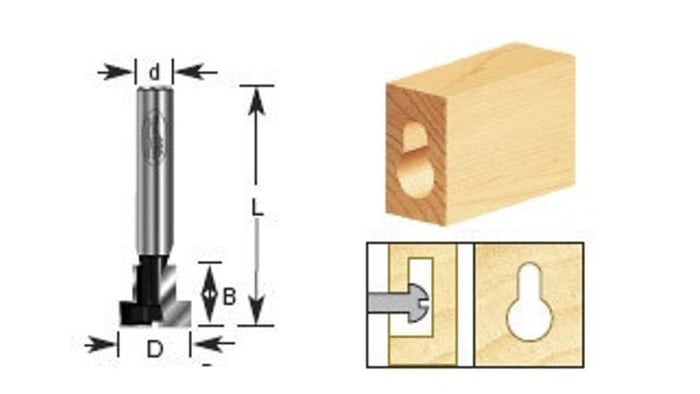
Credit: toolstoday.com
Cost Vs. Performance Comparison
Cutting slots in wood requires the right tool to get clean and precise results. Choosing the best tool depends on your budget and the quality you need.
This guide compares budget-friendly options with professional-grade tools. It helps you decide which tool fits your needs and wallet.
Budget-friendly Options
Affordable tools can do the job for light or occasional work. They cost less but may not last long or handle heavy use.
- Handheld router kits
- Manual slot cutting saws
- Basic plunge routers
- Slot cutting jigs for circular saws
Professional Grade Tools
Professional tools offer high performance and durability. They work well for frequent or large projects and deliver better precision.
| Tool Type | Price Range | Performance | Durability |
|---|---|---|---|
| High-end plunge routers | $200 – $600 | Excellent precision and control | Built for heavy use |
| Slot cutting shapers | $400 – $1000 | Very precise with smooth cuts | Long-lasting with proper care |
| Professional dado blades | $100 – $300 | Clean, wide slots quickly | Sharp and durable |
Choosing The Right Tool For Your Project
Cutting slots in wood needs the right tool for clean and accurate results. The tool you pick depends on your project needs.
Think about the size, wood type, and your skill level before choosing a tool. This helps you work safely and well.
Project Size And Complexity
Small projects with simple slots may need basic tools. Large or complex slots need more precise equipment.
Simple hand tools work for small jobs. Bigger projects often require power tools for speed and accuracy.
- Small slots: chisel or hand saw
- Medium slots: router with slotting bit
- Large or complex slots: table saw or CNC machine
Material Type
Different woods need different tools. Hardwoods are tougher and need stronger tools than softwoods.
Softwood allows easier cutting with hand tools. Hardwoods may need power tools for clean cuts.
- Softwood: hand saw, router
- Hardwood: router, table saw, slot cutter
- Plywood or MDF: router or table saw for smooth slots
Skill Level
Your experience affects tool choice. Beginners should start with simple, safe tools.
Experienced woodworkers can use advanced tools for precise and fast slot cutting.
- Beginner: hand tools, simple router jigs
- Intermediate: handheld router, slot cutters
- Advanced: table saw, CNC router
Frequently Asked Questions
What Is The Best Tool For Cutting Slots In Wood?
A router is the best tool for cutting slots in wood. It provides precision and smooth edges. You can use various bits to customize slot width and depth. Routers work well on different wood types and are easy to control.
Can A Table Saw Cut Slots In Wood Accurately?
Yes, a table saw can cut slots in wood accurately. Using a dado blade set allows wide, clean cuts. However, it requires careful setup and safety precautions. It is ideal for repetitive slot cutting on large wood pieces.
Is A Jigsaw Suitable For Cutting Slots In Wood?
A jigsaw can cut slots but isn’t the best choice. It’s less precise and may produce rough edges. For small, irregular slots, it works fine. For clean, straight slots, routers or table saws are better.
How To Choose The Right Bit For Slot Cutting?
Choose a straight or slot-cutting router bit for clean slots. The bit size depends on the slot width needed. Carbide bits last longer and cut smoother. Matching the bit to wood type improves cutting quality.
Conclusion
Choosing the right tool makes slot cutting easier and cleaner. A router often fits most woodworking needs well. It cuts precise slots with smooth edges every time. For quick or small jobs, a jigsaw or handsaw can work. Safety matters, so always wear protective gear while cutting.
Practice on scrap wood to build confidence before the real project. The best tool depends on your skill and project size. Keep tools sharp and well-maintained for better results. Enjoy crafting wood slots that look neat and professional.