

Have you ever needed to make a hole quickly and cleanly but weren’t sure what tool to use? Whether you’re fixing something around the house or working on a creative project, knowing the right tool for drilling holes can save you time and frustration.
You’ll discover the most common and effective tools used to drill holes, how they work, and which one fits your needs best. Keep reading to find out how you can get the job done right the first time.
Types Of Drilling Tools
Drilling tools help make holes in different materials. They come in many types for various jobs.
Choosing the right tool depends on the material and the size of the hole.
Handheld Drills
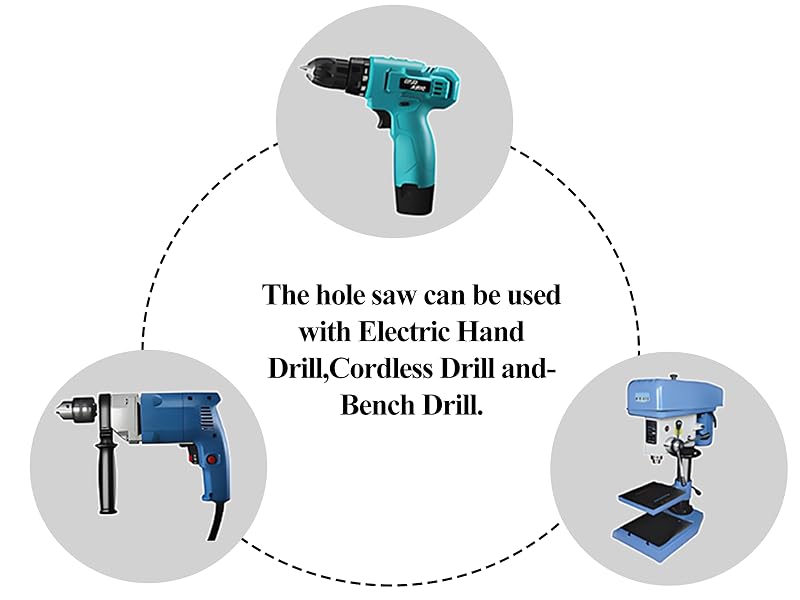
Handheld drills are simple tools used for drilling small holes. They are easy to carry and use.
These drills work well on wood, plastic, and light metal. They need to be plugged into power or battery.
Cordless Drills
Cordless drills run on rechargeable batteries. They allow more freedom to move around.
These drills are good for home use and small jobs. They come with different speed settings.
Hammer Drills
Hammer drills add a pounding action to drilling. This helps break hard materials like concrete.
They work well on bricks, stone, and tough surfaces. You can switch the hammer action on or off.
Drill Presses
Drill presses are large machines that hold the drill steady. They provide precise and deep holes.
These tools are used in workshops and factories. They can drill through metal, wood, and plastic.
Credit: www.vevor.com
Choosing The Right Drill Bit
Drilling holes requires the right drill bit for the material. Using the correct bit makes drilling easier and safer.
Different drill bits are made for wood, metal, masonry, and special tasks. Choose the right one to get clean holes.
Wood Drill Bits
Wood drill bits are sharp and designed to cut through soft and hard wood cleanly. They often have a pointed tip.
These bits create smooth holes without splintering the wood. Some types have spurs to start the hole precisely.
- Spade bits: flat and fast for rough holes
- Brad point bits: sharp tip for clean holes
- Auger bits: deep cutting for large holes
Metal Drill Bits
Metal drill bits are made of hardened steel to cut through metals. They last longer and resist heat well.
These bits have a blunt tip angle to prevent slipping on metal surfaces. They work best with cutting oil.
- High-speed steel (HSS) bits: general metal drilling
- Cobalt bits: extra hard for tough metals
- Titanium-coated bits: reduce friction and heat
Masonry Drill Bits
Masonry bits are made to drill into brick, stone, and concrete. They have strong tips with carbide tips.
These bits work with hammer drills to break through hard surfaces. Use them carefully to avoid damage.
- Carbide tips: tough and long-lasting
- Fluted design: removes debris quickly
- Use with hammer mode for best results
Specialty Drill Bits
Specialty bits serve unique purposes like drilling glass, tile, or large holes. They need careful handling.
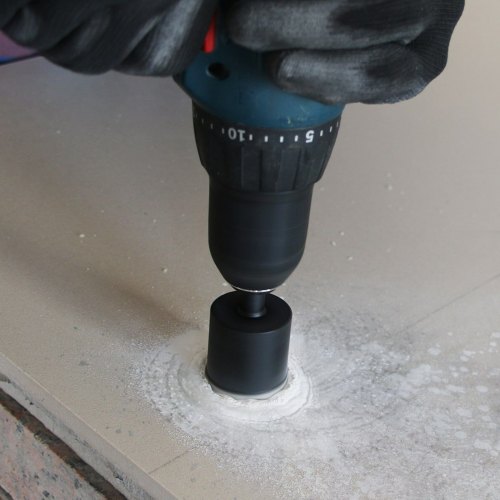
Each specialty bit has a design that fits its task, such as diamond tips for glass or hole saws for big cuts.
- Diamond bits: cut glass and tile smoothly
- Hole saws: drill large diameter holes
- Step bits: drill multiple hole sizes
Key Features To Consider
Drilling holes requires the right tool to make the job easy and precise. Choosing the right drill depends on certain features. These features affect how well the drill performs.
Understanding these key features helps you pick a drill that fits your needs. Let’s look at the most important points to check before buying a drill.
Power And Speed
Power tells how strong a drill is. Speed controls how fast the drill bit spins. Both affect drilling quality. High power helps with tough materials. Variable speed allows better control.
- Higher power works well for hard surfaces like metal or concrete.
- Lower power suits light tasks like wood or plastic.
- Variable speed helps avoid damage and makes clean holes.
- Speed is usually measured in RPM (revolutions per minute).
Chuck Size
The chuck holds the drill bit. Chuck size limits the bit diameter you can use. Common sizes are 3/8 inch and 1/2 inch. Bigger chucks fit larger bits for bigger holes.
| Chuck Size | Bit Diameter Range | Use Case |
| 3/8 inch | Up to 10 mm | Light to medium tasks |
| 1/2 inch | Up to 13 mm | Heavy-duty drilling |
Ergonomics And Weight
Ergonomics means how comfortable the drill feels in your hand. Weight affects how long you can use the drill without fatigue. A good grip and balanced weight improve control.
- Look for soft handles to reduce hand strain.
- Choose a drill light enough to hold for long periods.
- Balance between size and weight for better handling.
Battery Life
Battery life matters for cordless drills. Longer battery life means less charging time and more work done. Check the battery type and voltage for better performance.
- Look for lithium-ion batteries for longer life and lighter weight.
- Higher voltage usually means more power and longer run time.
- Some drills have removable batteries for quick swaps.

Credit: www.amazon.com
Safety Tips For Drilling
Drilling holes is a common task in many projects. Using the right tools and following safety rules keeps you safe.
Drills can be dangerous if not handled properly. Always take precautions to avoid injuries and damage.
Protective Gear
Wear protective gear to keep yourself safe during drilling. This gear protects your eyes, hands, and ears.
- Use safety goggles to protect your eyes from dust and debris.
- Wear gloves to avoid cuts and blisters on your hands.
- Use ear protection if the drill is very loud.
- Wear a dust mask if drilling creates a lot of dust.
Secure Workpieces
Hold the material firmly before drilling. Loose pieces can move and cause accidents.
Use clamps or a vise to keep the workpiece steady. This helps you drill accurately and safely.
- Check that the workpiece is stable before starting.
- Do not hold small pieces by hand while drilling.
- Clamp the workpiece close to the drilling area.
Proper Handling
Hold the drill with both hands for better control. Keep a firm grip to avoid slips.
Start drilling at a slow speed. Increase speed gradually as needed to keep control.
- Check the drill bit is tight before use.
- Keep your fingers away from the drill bit.
- Do not force the drill; let it work at its own pace.
- Unplug or remove the battery before changing bits.
Avoiding Common Mistakes
Many accidents happen because of simple mistakes. Learn to avoid these common errors.
Always check your surroundings and the drill condition before starting to work.
- Do not wear loose clothing that can get caught.
- Keep the drill bit sharp and clean.
- Do not rush the drilling process.
- Ensure the drill is suitable for the material you are working on.
- Never use a damaged or faulty drill.
Maintenance And Care
Drills are useful tools for making holes in many materials. To keep your drill working well, regular care is important.
Good maintenance helps your drill last longer and work safely. Here are tips for cleaning, sharpening, storing, and fixing common problems.
Cleaning Your Drill
After using your drill, clean it to remove dust and dirt. This stops damage and keeps it running smoothly.
Use a soft brush or cloth to wipe the drill body and vents. Avoid water to prevent rust and electrical problems.
- Unplug or remove the battery before cleaning
- Brush out dust from vents and moving parts
- Wipe with a dry or slightly damp cloth
- Do not spray water or cleaning liquids directly
Sharpening Drill Bits
Dull drill bits cause poor holes and stress the drill. Sharpen bits regularly to keep them sharp and effective.
You can use a bench grinder or a special sharpener. Follow safety rules and keep the correct angle on the bit.
- Wear safety glasses during sharpening
- Hold the bit steady and at the right angle
- Sharpen only the cutting edges
- Check the bit often to avoid overheating
Storage Tips
Store your drill and bits in a dry place. Proper storage protects them from damage and rust.
Use a case or box to keep parts organized. Avoid leaving drills in damp or dusty areas.
- Keep drill and bits in their case
- Store in a cool, dry place
- Keep away from children and pets
- Check storage area for moisture regularly
Troubleshooting Common Issues
Sometimes drills do not work right. Check common problems before seeking help.
Look for loose parts, worn brushes, or power supply issues. Fixing small problems can save time and money.
- Drill won’t start: check battery or power cord
- Drill bit slips: tighten chuck or replace worn bit
- Overheating: let drill cool and clean vents
- Unusual noises: inspect for loose parts or damage
Diy Projects Using Drills
Drills are essential tools for many DIY projects. They help you create precise holes quickly and easily. Whether you are working indoors or outdoors, a drill can make your tasks simpler.
Let’s explore how drills are used in various DIY projects like furniture assembly, home repairs, craft projects, and outdoor tasks.
Furniture Assembly
Drills are crucial for assembling furniture. They help in making holes for screws and bolts, ensuring strong joints.
- Drilling pilot holes prevents wood from splitting.
- Use screws to secure parts together.
- Adjust the drill’s speed for different materials.
Home Repairs
A drill is handy for various home repair tasks. It helps in fixing loose fixtures and installing new items.
| Repair Task | Drill Bit Needed |
| Fixing a loose door handle | Phillips head |
| Installing shelves | Wood bit |
| Mounting curtain rods | Masonry bit |
Craft Projects
For craft projects, a drill can create holes for threading wires or assembling parts. It’s useful for making intricate designs.
Outdoor Tasks
Outdoor tasks often require a drill for building fences, decks, or garden features. A cordless drill offers mobility in large spaces.
- Build a sturdy fence with treated wood.
- Secure decking boards with screws.
- Install garden trellises for plants.

Credit: www.midlandtool.com
Frequently Asked Questions
What Tool Is Commonly Used To Drill Holes?
A drill is the most common tool used to create holes in various materials. It uses a rotating drill bit to cut through surfaces efficiently.
Which Drill Type Is Best For Wood Holes?
A cordless drill with a spade or twist bit works best for drilling holes in wood. It offers control and portability.
Can A Hammer Drill Be Used For Concrete?
Yes, a hammer drill is ideal for drilling into concrete and masonry. It combines rotation with a hammering action for effective drilling.
What Safety Gear Is Needed When Drilling Holes?
Safety glasses, gloves, and ear protection are essential when drilling holes. They protect against debris, sharp fragments, and loud noise.
Conclusion
Choosing the right tool makes drilling holes easier and safer. A drill helps create clean and precise holes in many materials. Different drills suit different jobs, like cordless drills for flexibility. Using the correct drill bit improves the result and saves time.
Always wear safety gear to protect your eyes and hands. Practice drilling on scrap material before starting your project. With the right tools and care, you can complete any drilling task well. Simple steps lead to better work and less frustration.
Keep your drill in good condition for long-lasting use.