


Are you working on a woodworking project and wondering how to get that smooth, perfect finish on your wood? Knowing the right tool that shaves wood can make all the difference between a rough surface and a flawless piece.
Whether you’re a beginner or an experienced craftsman, choosing the correct tool will save you time and effort. You’ll discover exactly which tool shaves wood best, how to use it, and tips to get the most out of your work.
Keep reading, and you’ll soon have the confidence to create woodwork that looks professional every time.
Types Of Wood Shaving Tools
Wood shaving tools help shape and smooth wood surfaces. They remove thin layers of wood for a clean finish.
Different tools work best for different tasks. Some are hand tools, and others use power.
Hand Planes
Hand planes have a sharp blade set in a flat body. You push them along the wood to shave off thin layers.
They work well for flattening wood and smoothing rough surfaces. You can adjust the blade for deeper or lighter cuts.
Spokeshaves
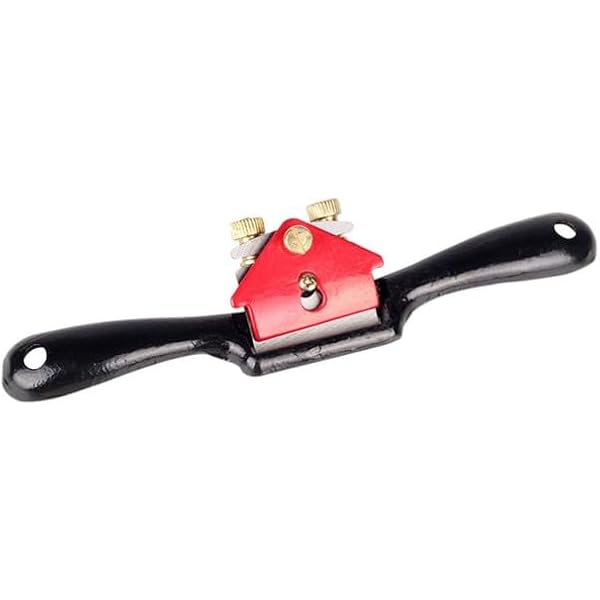
Spokeshaves are small hand tools with two handles and a blade in the middle. They shape curved wood surfaces.
Woodworkers use them on chair legs, wheel spokes, and other rounded parts. Spokeshaves give fine control over the cut.
Drawknives
Drawknives have a long blade with handles at both ends. You pull them toward you to shave wood.
They remove large wood shavings quickly. Drawknives are good for rough shaping and removing bark from logs.
Card Scrapers
Card scrapers are thin, flat pieces of metal with a sharp edge. You scrape them across the wood surface.
They remove very fine shavings and smooth the wood. Card scrapers are useful for finishing work and removing small defects.
Power Planers
Power planers use a motor to spin blades quickly. They shave wood much faster than hand tools.
These tools are good for large projects and rough shaping. Power planers can remove thick layers of wood in a short time.
Choosing The Right Tool
Shaving wood requires choosing the right tool for the job. The tool you pick affects the smoothness and accuracy of your work.
Different tools work better for different wood types, project sizes, and skill levels. Learn what fits your needs best.
Project Size And Detail
Small projects with fine details need precise tools. Larger projects require tools that can remove more wood quickly.
Hand planes work well for big flat surfaces. For tiny details, carving knives or chisels are better.
- Large surfaces: use a block plane or bench plane
- Small details: use carving knives or fine chisels
- Curves or irregular shapes: use spokeshaves or rasps
Wood Type And Grain
Soft woods are easier to shave and need less sharp tools. Hard woods need sharper blades and more care.
Grain direction matters. Always shave along the grain to avoid splinters and rough cuts.
- Soft wood: use standard hand planes or spokeshaves
- Hard wood: sharpen blades well and use sharp chisels
- Grain direction: shave with the grain, not against it
Skill Level Considerations
Beginners should start with easy-to-use tools. Complex tools need practice to use safely and well.
Simple hand planes and carving knives suit new woodworkers. More advanced tools like spokeshaves need skill.
- Beginners: use hand planes and basic carving knives
- Intermediate: try spokeshaves and finer chisels
- Advanced: use specialty tools for detailed shaping
Top Hand Planes For Smooth Results
Hand planes are essential for shaping and smoothing wood surfaces. They help remove rough patches and create even finishes.
Choosing the right type of hand plane depends on your woodworking needs. Each plane serves a unique purpose for smooth results.
Bench Planes
Bench planes are versatile tools used for flattening and straightening wood. They come in various sizes to handle different tasks.
- Jack Plane: Good for general smoothing and flattening.
- Fore Plane: Used for rapid stock removal and rough shaping.
- Jointer Plane: Ideal for truing edges and flattening large surfaces.
Block Planes
Block planes are small and easy to handle. They work well for trimming and fine-tuning small wood pieces.
| Type | Use |
| Standard Block Plane | Chamfering edges and small cuts |
| Low Angle Block Plane | Cutting end grain smoothly |
Smoothing Planes
Smoothing planes provide the finest finish on wood. They remove small imperfections and prepare surfaces for finishing.
- Use a fine blade for thin shavings.
- Work with the grain to avoid tear-out.
- Adjust the mouth opening for better control.

Credit: www.rockler.com
Best Power Tools For Efficient Shaving
Shaving wood means removing thin layers to smooth or shape it. Using power tools speeds up this work and makes it easier. The right tool depends on the wood type and the job size.
Below are three popular power tools that help shave wood quickly and neatly. Each tool works best for certain tasks and wood surfaces.
Electric Hand Planers
Electric hand planers shave wood by cutting thin layers evenly. They are easy to handle and good for flattening boards or trimming edges.
These tools have adjustable depth settings. You can control how much wood is removed with each pass.
- Fast and smooth shaving
- Good for large flat surfaces
- Portable and easy to use
- Adjustable blade depth
Belt Sanders
Belt sanders use a moving belt of sandpaper to shave wood. They remove material quickly and are great for rough shaping.
These tools work well on large wooden surfaces. They can smooth rough spots and prepare wood for finishing.
- Fast material removal
- Good for rough surfaces
- Easy to control pressure
- Variety of belt sizes available
Router Planes
Router planes shave wood by cutting precise grooves and recesses. They are good for detailed work and shaping edges.
This tool allows fine control over depth and shape. It works well for trimming joints or making shallow cuts.
- Precise depth control
- Good for detailed shaping
- Works well on small areas
- Ideal for joinery and edges
Maintenance Tips For Shaving Tools
Maintaining your wood shaving tools ensures they remain effective and safe. Regular care prolongs their lifespan and keeps your projects precise.
Learn how to sharpen, clean, and adjust your tools for the best results.
Sharpening Blades
Sharp blades are crucial for smooth wood shaving. They reduce effort and prevent damage to the wood.
- Use a sharpening stone for fine edges.
- Maintain a consistent angle while sharpening.
- Check the blade regularly for nicks and dull spots.
Cleaning And Storage
Proper cleaning and storage prevent rust and damage. Your tools will last longer and perform better.
| Task | Frequency |
| Wipe blades clean | After each use |
| Oil metal parts | Weekly |
| Store in a dry place | Always |
Adjusting For Precision
Adjusting your tools ensures precise wood shaving. It involves fine-tuning the blade and handle for optimal performance.
Credit: www.amazon.in
Techniques For Perfect Wood Shaving
Shaving wood requires precision and skill. With the right techniques, your woodwork will be smooth and flawless.
This guide will help you learn the essential techniques for achieving perfect wood shaving. Focus on grip, cut depth, and working with the grain.
Proper Grip And Stance
A firm grip and balanced stance are key to effective wood shaving. Keep your hands steady and your feet shoulder-width apart.
- Hold the tool with both hands for control
- Position your body directly behind the tool
- Keep your elbows close to your body
Controlling Depth Of Cut
Adjusting the depth of cut ensures smooth and even shavings. Too deep a cut can damage the wood.
| Tool Type | Recommended Depth |
| Hand Plane | 1/16 inch |
| Chisel | 1/32 inch |
| Spokeshave | 1/64 inch |
Working With The Grain
Shave with the grain to reduce splintering. Pay attention to the wood’s natural lines and patterns.
Safety Tips During Wood Shaving
Shaving wood is a useful skill for woodworking projects. It helps to shape and smooth wood surfaces.
Using the right tools safely is very important. Safety helps prevent injuries and accidents.
Protective Gear
Always wear protective gear to keep yourself safe. It reduces the risk of cuts and dust inhalation.
- Wear safety goggles to protect your eyes from wood chips.
- Use gloves to protect your hands from sharp tools.
- Wear a dust mask to avoid breathing wood dust.
- Use ear protection if using noisy shaving tools.
Tool Handling Practices
Handle your tools carefully to avoid accidents. Keep tools sharp and in good condition.
Always cut away from your body. Keep your fingers clear of the blade path.
- Hold the tool firmly and use slow, steady movements.
- Do not force the tool; let it do the work.
- Store tools safely when not in use.
Workspace Setup
Keep your workspace clean and well-lit. A tidy area helps prevent slips and falls.
Make sure your work surface is stable and at a comfortable height. Secure your wood piece before shaving.
- Remove clutter and keep tools organized.
- Use clamps to hold wood firmly in place.
- Ensure good lighting to see your work clearly.

Credit: www.amazon.in
Frequently Asked Questions
What Tool Is Best For Shaving Wood?
A hand plane is the best tool for shaving wood. It smooths surfaces and shapes wood precisely. It’s ideal for fine woodworking and furniture making.
Can A Chisel Be Used To Shave Wood?
Yes, a chisel can shave wood for detailed work. It removes small wood pieces and refines edges. It’s perfect for carving and tight spaces.
How Does A Spokeshave Work On Wood?
A spokeshave has a blade between two handles. It shaves thin wood layers for shaping curves and edges. It’s great for rounded or irregular wood surfaces.
Is A Drawknife Effective For Shaving Wood?
Yes, a drawknife quickly shaves wood by pulling toward you. It removes large wood sections and shapes logs or beams. It’s useful for rough shaping.
Conclusion
Wood shavings come from the right tool. A hand plane or spokeshave works well. These tools help shape and smooth wood easily. They remove thin layers with control and precision. Choose the tool based on your project’s needs. Practice makes your cuts cleaner and smoother.
Using the right tool saves time and effort. Woodworking becomes more enjoyable and satisfying this way. Keep your tools sharp for the best results. Happy woodworking!