

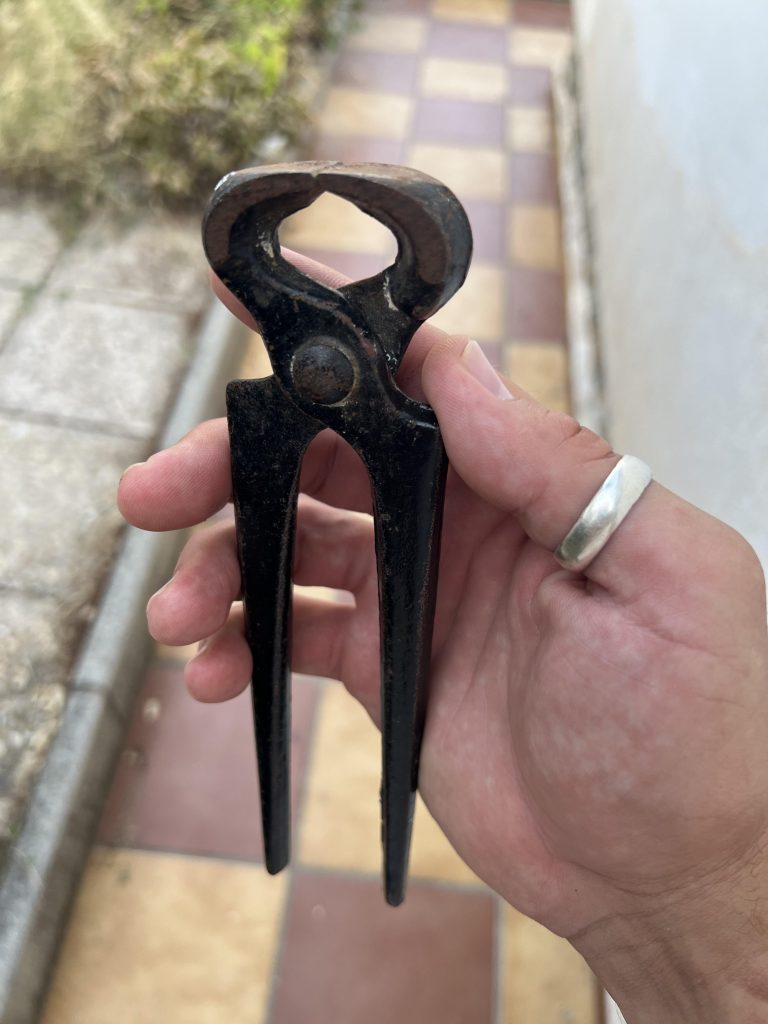
Have you ever faced the frustrating task of removing nails without the right tool? If you’re tired of struggling and risking damage to your wood or walls, knowing the correct tool can make all the difference.
You’ll discover exactly what the tool is that pulls nails out quickly and safely. By the time you finish reading, you’ll be ready to tackle any nail-removal job like a pro—saving your time, effort, and patience. Keep reading to find out how to make your next project easier!

Credit: www.reddit.com
Types Of Nail Pullers
Nails can be hard to remove without the right tool. Different tools make it easier to pull nails out safely. Each tool works best for certain jobs.
Knowing the types of nail pullers helps you pick the right one for your work. Here are common nail pulling tools.
Claw Hammer
A claw hammer is a common tool for pulling nails. It has a flat head for hammering and a curved claw for pulling nails out.
You place the claw under the nail head and pull back the handle. This tool works well for small to medium nails.
Cat’s Paw
The cat’s paw is a small, curved tool with a sharp V-shaped end. It is designed to dig under nail heads.
This tool is perfect for removing nails that are deeply embedded or hard to reach with a hammer.
Pry Bar
A pry bar is a long metal tool with a flat end and a curved end. It helps lift and pull nails out from wood.
You can use it to get extra leverage on stubborn nails. Pry bars are good for heavy-duty jobs.
Nail Puller Pliers
Nail puller pliers look like regular pliers but have special jaws for gripping nails. They grab the nail head tightly.
This tool works well for pulling small nails or nails with damaged heads. It gives good control during removal.
End Nippers
End nippers are strong pliers with sharp cutting edges at the end. They can cut or pull nails from wood.
These tools are good for cutting off nail heads before pulling the rest out. They work well on short nails.

Credit: www.reddit.com
Choosing The Right Nail Puller
Finding the right tool to pull nails out can save time and effort. A good nail puller matches the job and feels comfortable in your hand.
Different nail pullers work better for different nails and tasks. Consider the size, material, grip, and portability before buying one.
Considering Nail Size And Type
Nails come in many sizes and shapes. Choose a nail puller that fits well with the nails you often work with. Some tools work better on small finishing nails, while others handle large framing nails.
Material And Durability
The material affects how long a nail puller lasts and how strong it is. Steel tools often last longer and resist bending. Cheaper metals might break or wear out fast.
| Material | Durability | Weight |
| Steel | High | Heavy |
| Aluminum | Medium | Light |
| Plastic | Low | Very Light |
Comfort And Grip
Comfort is key for long jobs. Look for nail pullers with soft handles or rubber grips. These reduce hand strain and help you hold the tool firmly.
- Rubber or foam handles improve grip
- Ergonomic shapes fit the hand better
- Non-slip surfaces prevent accidents
Portability And Size
Think about where you will use the nail puller. A small, lightweight tool is easier to carry and store. Larger tools give more leverage but are harder to move around.
How Nail Pullers Work
Nail pullers are tools used to remove nails from wood and other materials. They help take nails out without breaking them or damaging the surface.
These tools use simple mechanics to grab the nail and pull it out with force. Understanding how they work makes it easier to use them safely.
Lever Mechanics
Nail pullers work by using leverage. The tool acts like a lever that multiplies the force you apply. This makes pulling nails easier.
The curved part of the nail puller fits under the nail head. When you push down on the handle, the tool lifts the nail out.
Grip And Extraction Techniques
Holding the tool correctly helps you pull nails with less effort. You need a firm grip on the handle and a good hold on the nail.
- Place the claw of the nail puller under the nail head.
- Grip the handle tightly with one hand.
- Use your other hand to steady the wood if needed.
- Pull back slowly to lift the nail out.
- Repeat if the nail is stuck until it comes free.
Preventing Wood Damage
| Tip | Reason |
|---|---|
| Use a thin piece of wood under the nail puller | Protects the wood surface from scratches |
| Pull nails slowly and evenly | Reduces risk of splitting the wood |
| Apply steady pressure, avoid sudden jerks | Prevents dents and cracks |
Using Nail Pullers Safely
Nail pullers are handy tools for removing nails from wood and other materials. Using them safely helps avoid injuries and damage.
This guide explains how to use nail pullers with care. Follow these tips to work smart and stay safe.
Protective Gear
Wear the right protective gear before starting nail pulling. This reduces the risk of cuts, eye injuries, and other accidents.
- Use safety glasses to protect your eyes from flying debris.
- Wear gloves to avoid splinters and blisters.
- Choose sturdy boots to protect your feet from dropped tools.
- Consider wearing long sleeves to protect your arms.
Proper Body Positioning
Stand in a stable position to keep balance while pulling nails. This helps you apply force safely and avoid strain.
| Body Part | Recommended Position |
| Feet | Shoulder-width apart, flat on the ground |
| Knees | Slightly bent for better balance |
| Back | Straight to avoid injury |
| Arms | Close to the body for control |
Common Mistakes To Avoid
Many people make mistakes that cause injury or damage when using nail pullers. Avoid these to stay safe.
- Do not use excessive force that can break the tool or wood.
- Avoid pulling nails at awkward angles that strain your body.
- Never use a nail puller as a hammer or pry bar.
- Do not forget to clear the area of obstacles before starting.
- Avoid working without protective gear.
Maintenance And Care
The tool that pulls nails out needs regular care. Proper maintenance keeps it working well and safe.
Cleaning, sharpening, and storing the tool correctly helps it last longer. Follow these tips to maintain it.
Cleaning Tips
Remove dirt and rust from the tool after each use. Use a wire brush or cloth to clean all parts.
Wipe the tool with light oil to stop rust from forming. Avoid using water as it causes corrosion.
- Brush away dirt and debris
- Use a dry cloth for wiping
- Apply light oil for protection
- Keep the tool dry at all times
Sharpening And Repairs
Check the tool’s claw and edges regularly. Sharp claws make it easier to pull nails out.
Use a metal file to sharpen dull parts carefully. Replace broken or bent parts to keep the tool safe.
- Inspect for dull or damaged edges
- Sharpen with a metal file as needed
- Fix or replace broken components
- Test the tool after repairs
Storage Recommendations
Store the tool in a dry place away from moisture. Use a toolbox or hang it on a pegboard for easy access.
Keep the tool separate from other sharp tools to avoid damage. Cover the claw with a protective sleeve if possible.
- Store in a dry, cool area
- Use a toolbox or pegboard
- Keep away from other sharp tools
- Use protective covers on claws
Alternative Tools For Nail Removal
Removing nails can be a tough task without the right tools. While hammers are common, alternative tools can make the job easier and safer.
Let’s explore some tools that can help pull nails out effectively.
Screwdrivers
Screwdrivers are not just for screws. A flathead screwdriver can be used to wedge under nail heads.
- Slide the flathead under the nail head.
- Gently twist to loosen the nail.
- Pull out the nail using steady pressure.
Pry Bars
Pry bars provide leverage, making nail removal easier. They are perfect for tougher nails that are deeply embedded.
| Type | Usage |
| Flat Pry Bar | Best for removing trim and molding |
| Crowbar | Ideal for heavy-duty nails |
| Nail Puller | Specialized for nail removal |
Multi-tools
Multi-tools offer versatility. They combine several functions, including a nail puller. They are handy for quick fixes.
Buying Tips And Recommendations
Looking for a tool to pull nails out? It’s important to choose wisely. The right tool saves time and effort.
Consider brand reputation, price, and where to buy before making a purchase.
Top Brands
Several brands offer reliable tools for pulling nails. Choosing a well-known brand ensures quality.
- Stanley
- DeWalt
- Irwin
- Craftsman
Price Vs Quality
Balancing price and quality is key. Expensive doesn’t always mean better.
| Brand | Price Range | Quality Rating |
| Stanley | Mid | High |
| DeWalt | High | Very High |
| Irwin | Low to Mid | Moderate |
| Craftsman | Mid | High |
Where To Buy
Finding the right store is crucial. Both online and offline options exist.
Visit local hardware stores for in-person advice.

Credit: www.reddit.com
Frequently Asked Questions
What Is The Tool Used To Pull Nails Out?
The tool used to pull nails out is called a claw hammer or nail puller. It has a curved, forked end designed to grip and remove nails easily.
How Does A Claw Hammer Remove Nails Efficiently?
A claw hammer uses leverage from its curved claws to pry nails out. This design reduces effort and prevents damage to the wood surface.
Can Other Tools Pull Nails Besides A Claw Hammer?
Yes, tools like pry bars, cat’s paw, and nail pullers also remove nails. Each tool offers different leverage and grip for various nail sizes.
Is A Claw Hammer Suitable For All Nail Types?
Claw hammers work well on most nails but may struggle with deeply embedded or bent nails. Specialized nail pullers may be better for tough nails.
Conclusion
The tool that pulls nails out is called a claw hammer or nail puller. It helps remove nails easily without damaging wood. Using the right tool saves time and effort. Always choose a tool that fits your hand and the nail size.
Practice makes the job smoother and quicker. Now, you can handle simple repairs with confidence. Keep this tool handy for your next project. Simple tools, simple tasks. Nail removal made easy.