

When you’re carrying a power tool, safety isn’t just important—it’s essential. One wrong move can lead to serious injuries, damage to your tool, or even accidents that affect others around you.
But how do you carry your power tool the right way every time? You’ll discover simple yet effective safety practices that protect you and your equipment. Keep reading to learn the key steps that make carrying power tools safer and easier, so you can work with confidence and avoid costly mistakes.
Your safety starts with how you carry your tools—let’s get it right.
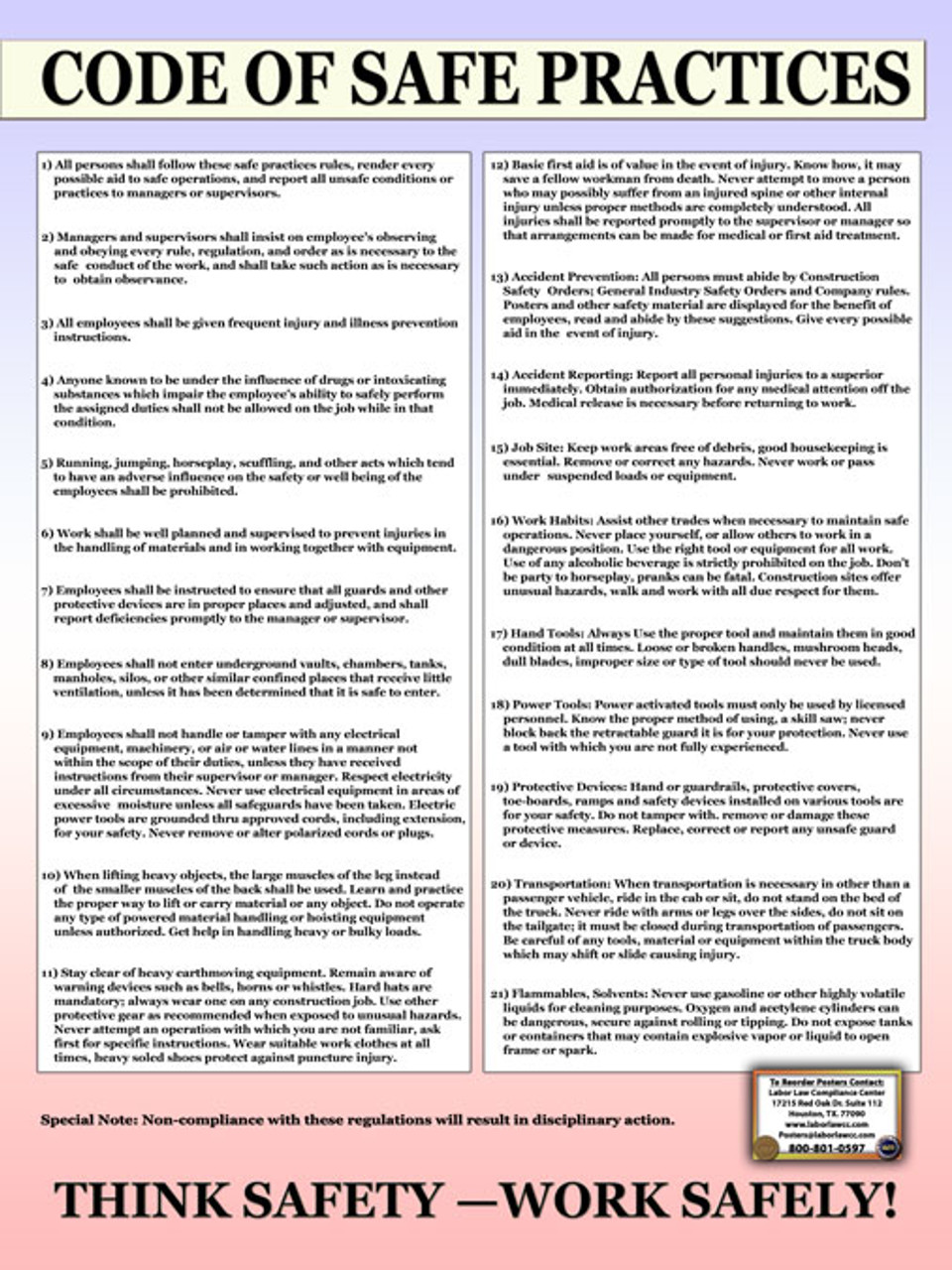
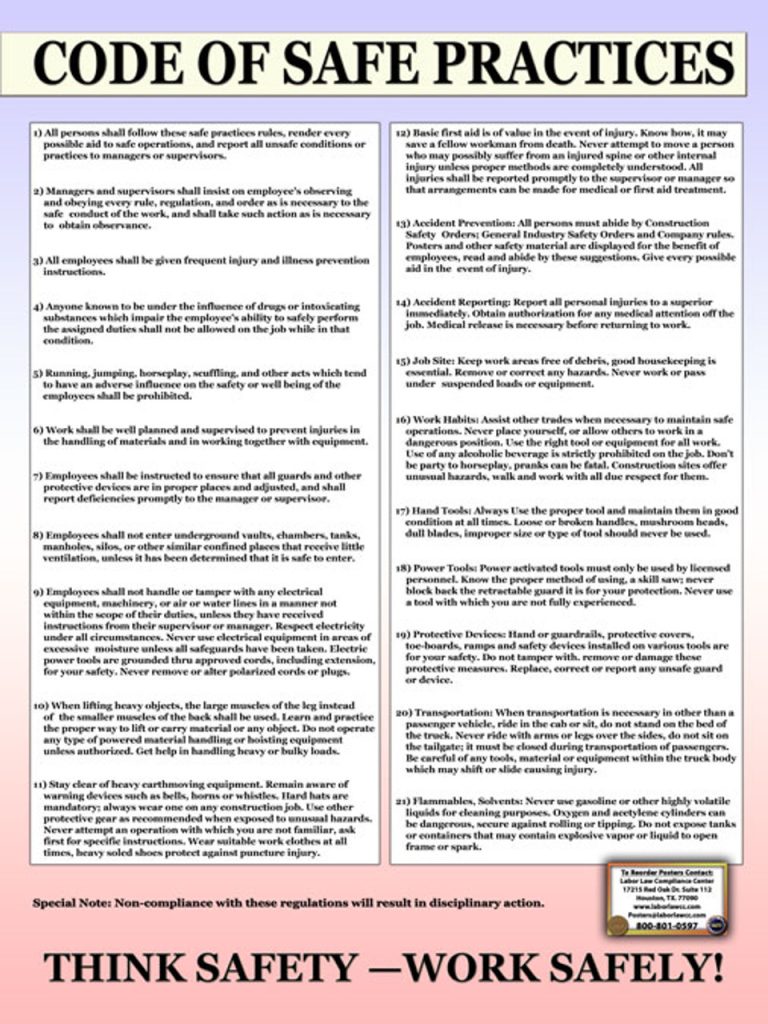
Credit: www.laborlawcc.com
Choosing The Right Power Tool
Choosing the right power tool is key for safety and efficiency. The right tool helps you complete tasks faster and reduces the risk of accidents. Each tool suits specific jobs. Picking the correct one makes your work easier and safer.
Selecting Tools For The Task
Select tools that match the job. Avoid using a tool that is too big or too small. Use the correct tool for cutting, drilling, or grinding. Using the wrong tool can cause slips or damage. Always read the tool’s label or manual before use.
Checking Tool Condition
Inspect power tools before carrying them. Look for damaged cords, loose parts, or cracks. A faulty tool can cause injuries or stop working. Test the tool’s switch and buttons to ensure they work. Never carry a tool that looks broken or unsafe.
Preparing For Safe Transport
Preparing for safe transport of power tools is crucial to avoid accidents and damage. Proper steps ensure the tool stays secure and poses no risk. Taking time to prepare helps keep you and others safe during movement.
Unplugging And Powering Down
Always unplug the power tool before carrying it. Make sure the switch is in the off position. This stops the tool from starting accidentally. Removing the battery is important for cordless tools. It prevents sudden power loss or activation.
Securing Loose Parts
Check for any loose parts or attachments on the tool. Tighten screws and bolts to keep everything in place. Remove or secure blades and bits to avoid injury. Use a case or bag to hold small parts safely. This prevents loss and protects the tool during transport.
Proper Carrying Techniques
Proper carrying techniques for power tools prevent accidents and injuries. Holding tools the right way keeps you safe and protects the tool from damage. Learning these techniques helps you work more efficiently and confidently.
Using Both Hands
Always use both hands when carrying a power tool. This gives you better control and balance. Using two hands reduces the chance of dropping the tool. It also helps you keep the tool steady while walking.
Maintaining Balanced Grip
Keep a firm but comfortable grip on the tool. Hold the tool near its center of gravity. This balance makes it easier to carry and control. Avoid holding the tool by a loose or awkward part. A balanced grip prevents strain and keeps the tool secure.
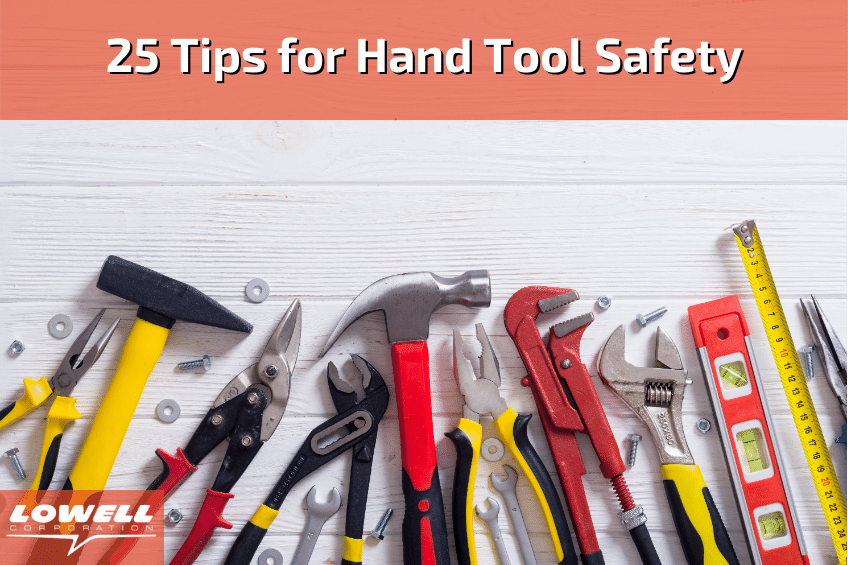
Credit: lowellcorp.com
Using Protective Gear
Using protective gear is a key safety practice for carrying power tools. It helps prevent injuries and keeps you safe. Protective gear acts as a barrier between you and sharp or moving parts. It also reduces the risk of accidents caused by dust, noise, or flying debris.
Always wear the right gear before handling power tools. This simple step can save you from serious harm. Here are some important types of protective gear to use.
Wearing Gloves
Gloves protect your hands from cuts and scrapes. They also improve your grip on the tool. This reduces the chance of dropping it. Choose gloves that fit well and allow good movement. Avoid loose gloves that can get caught in the tool. Use gloves made from durable material for the best protection.
Eye And Ear Protection
Eye protection shields your eyes from dust and flying particles. Safety glasses or goggles work well for this. Ear protection guards your hearing from loud noise. Use earplugs or earmuffs to reduce noise levels. Both eye and ear protection make carrying power tools safer and more comfortable.
Transporting In Vehicles
Transporting power tools in vehicles needs care and attention. Proper handling prevents damage to tools and keeps everyone safe. Secure tools well to avoid accidents during travel.
Using Toolboxes Or Cases
Place power tools inside strong toolboxes or cases. These protect tools from bumps and scratches. Cases keep small parts organized and stop tools from moving around. Choose a case that fits the tool snugly. Lock the case for extra safety.
Avoiding Sharp Or Heavy Loads
Do not place sharp or heavy items near power tools. These can damage the tools or cause injury. Keep heavy objects on the floor or in separate compartments. Sharp items should be wrapped or covered. This reduces the risk of cuts and punctures.
Storing Tools Safely
Storing power tools safely is key to preventing accidents and damage. Proper storage keeps tools organized and ready for use. It also protects users and others from injury. Safe storage extends the life of power tools by avoiding wear and tear.
Designated Storage Areas
Set a specific place for each power tool. Use shelves, cabinets, or toolboxes to keep tools off the floor. Make sure storage areas are dry and clean. Avoid damp or dusty places that can harm tools. Keep sharp or heavy tools out of children’s reach. Clear labeling helps find tools quickly and safely.
Regular Maintenance Checks
Check power tools often for damage or wear. Look for frayed cords, loose parts, or rust. Clean tools after each use to remove dirt and dust. Fix small problems before they become big issues. Regular checks keep tools safe and working well. A well-maintained tool is less likely to cause accidents.

Credit: www.cambriacsd.org
Frequently Asked Questions
How Should You Hold A Power Tool When Carrying It?
Always grip the power tool firmly by its handle. Keep your fingers away from the trigger to avoid accidental starts. Carry it close to your body for better control and balance. This practice reduces the risk of dropping or injuring yourself.
Is It Safe To Carry A Power Tool While It’s Plugged In?
No, always unplug the power tool before carrying it. This prevents accidental activation, which can cause injuries. Disconnecting power ensures the tool stays off during transportation, making it safer for you and others nearby.
Why Should Power Tools Be Carried With Guards On?
Keeping guards on protects both you and the tool. Guards prevent contact with sharp or moving parts. This reduces injury risk and helps maintain the tool’s condition. Always check and secure guards before moving the tool.
Can Carrying Power Tools Improperly Cause Accidents?
Yes, improper carrying can lead to slips, drops, or injuries. Carrying tools with loose grips or without safety covers increases risk. Proper handling ensures your safety and prevents damage to the tool.
Conclusion
Carrying power tools safely protects you and others nearby. Always hold the tool firmly by its handle. Keep the tool turned off before moving. Use a tool case or cover the blade. Watch your path to avoid tripping or hitting objects.
These simple steps help prevent accidents. Safety should always come first when using tools. Stay alert and handle power tools with care. Small actions make a big difference in safety. Keep these tips in mind every time you carry a power tool.