

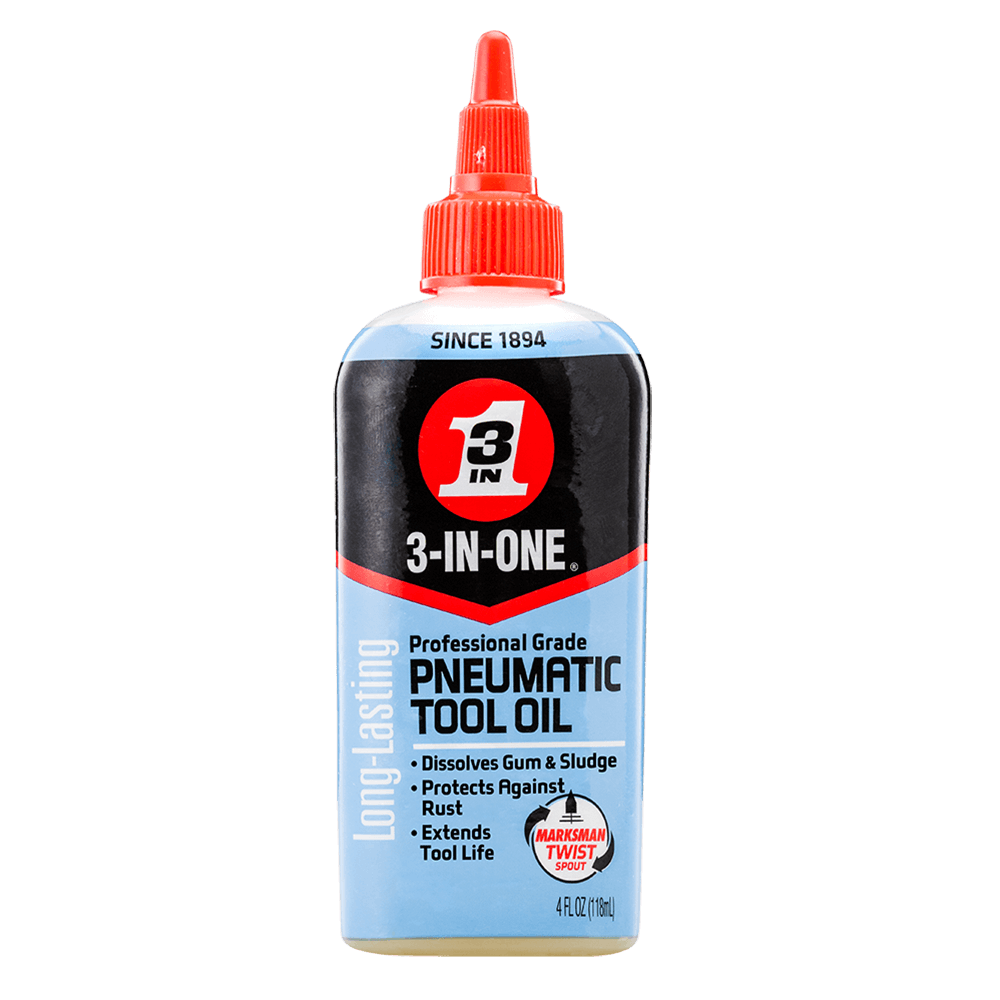
If you use air tools regularly, you might have heard about air tool oil but aren’t sure why it’s important. Imagine your tools working smoothly every time you need them, without unexpected breakdowns or rust.
That’s exactly what air tool oil does for you. It keeps your tools running longer, prevents damage, and saves you money on repairs. Curious to know how this small bottle of oil can make a big difference in your work?
Keep reading to discover what air tool oil is and why it should be a part of your tool maintenance routine.
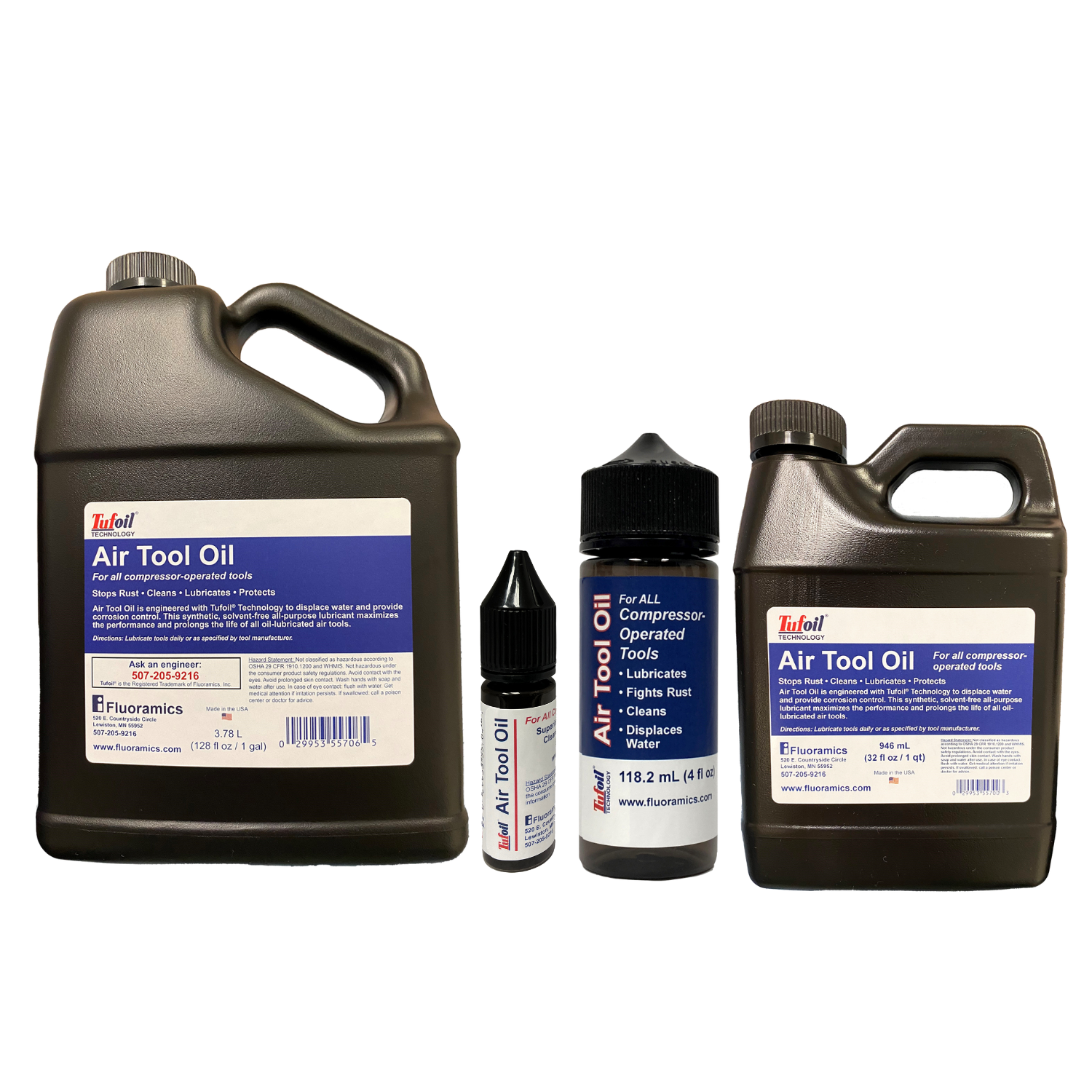
Credit: www.fluoramics.com
Role Of Air Tool Oil
Air tool oil plays a vital role in keeping pneumatic tools working well. It protects the parts inside the tool from damage and wear. Without proper lubrication, air tools can stop working quickly and may break down.
This oil reduces friction between moving parts. It also stops rust and removes moisture that can harm the tool. Using the right oil helps tools last longer and perform better.
Purpose In Pneumatic Tools
Air tool oil lubricates the moving parts inside pneumatic tools. It prevents metal parts from rubbing directly against each other. This lowers friction and heat, which can cause damage.
The oil also forms a thin layer that stops rust from forming. It helps remove moisture that builds up from compressed air. This keeps the tool clean and running smoothly.
Proper lubrication reduces wear and tear. It makes sure the tool works efficiently and lasts longer. Regular oiling keeps tools ready for use and prevents costly repairs.
Types Of Air Tool Oil
There are different types of air tool oil made for various needs. Most are lightweight oils that flow easily and provide good lubrication.
Synthetic oils offer better protection in extreme temperatures. They last longer and resist breaking down. Mineral-based oils are common and cost-effective for regular use.
Some oils include additives to fight rust and remove moisture. Choosing the right oil depends on the tool and how often it is used. Always use oil designed specifically for air tools to avoid damage.
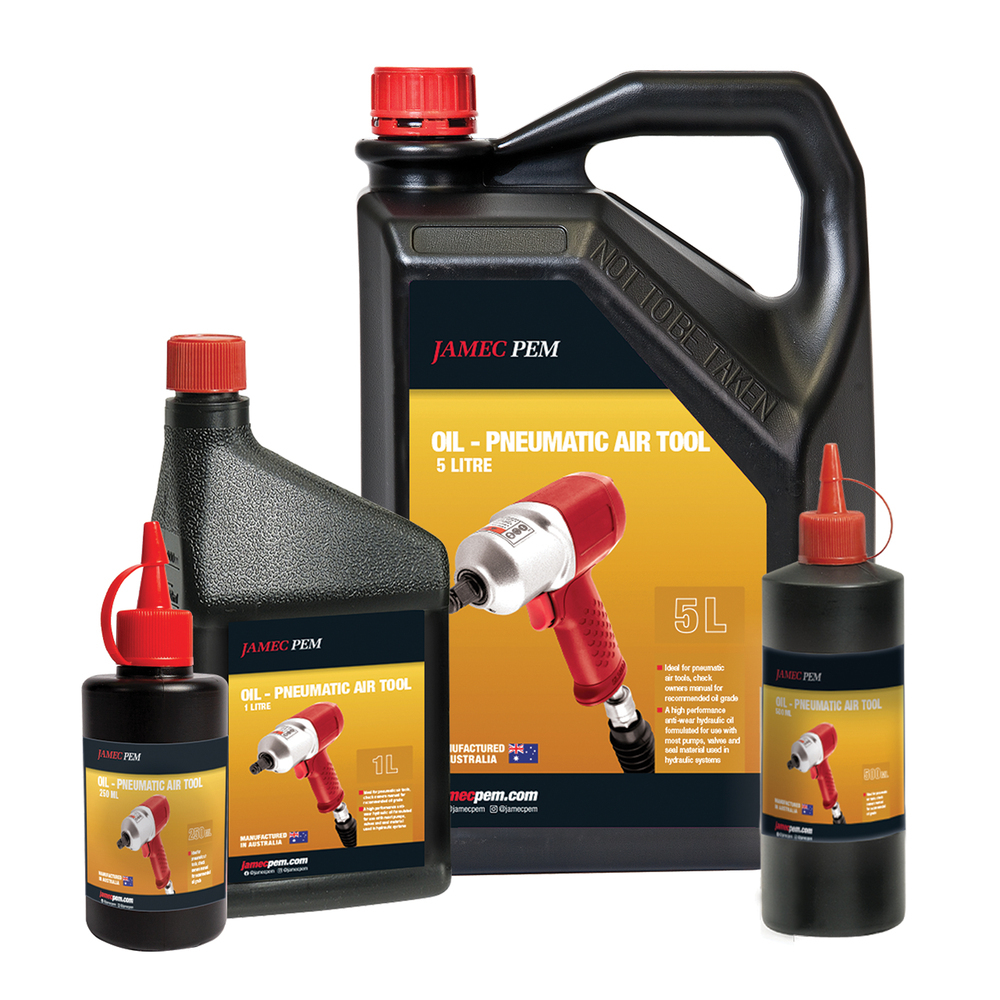
Credit: www.jamecpem.com
Benefits Of Using Air Tool Oil
Using air tool oil offers many important benefits. It keeps your tools running smoothly and helps avoid common problems. Regular use of this oil supports the health of your air tools.
Proper lubrication protects the moving parts inside the tools. This protection leads to better performance and less damage over time. Below are key advantages of using air tool oil for your equipment.
Extending Tool Lifespan
Air tool oil reduces friction between moving parts. This lowers the chance of parts wearing out too fast. Less wear means tools last longer and stay reliable. Regular oiling prevents rust and corrosion inside the tool. This keeps the internal parts strong and working well.
Improving Efficiency
Well-lubricated tools run more smoothly and use less energy. Oil helps the air pressure work better inside the tool. This makes the tool complete tasks faster and with less effort. Efficient tools save time and reduce fatigue during work.
Reducing Wear And Tear
Air tool oil creates a thin layer between parts to stop direct contact. This layer lowers heat and damage from friction. It also prevents metal parts from grinding against each other. Using oil regularly keeps tools in better shape for longer.
How To Apply Air Tool Oil
Applying air tool oil correctly keeps your tools working smoothly. It protects parts from rust and wear. Proper oiling extends the life of your air tools and boosts performance. Follow simple steps to apply oil the right way.
Proper Lubrication Techniques
Start by cleaning the tool’s air inlet. Use a few drops of air tool oil directly into the inlet. Avoid overfilling to prevent leaks. Run the tool briefly to spread oil inside. Wipe off any excess oil on the tool’s surface.
Frequency Of Application
Oil your air tools before each use. For heavy use, apply oil every hour of operation. For lighter use, oil once a day is enough. Regular oiling stops parts from drying out and breaking.
Common Mistakes To Avoid
Do not skip oiling. Lack of oil causes parts to wear fast. Avoid using other oils like motor oil. These can damage the tool’s seals. Never over-oil, as it creates mess and clogs. Follow instructions on your tool’s manual carefully.
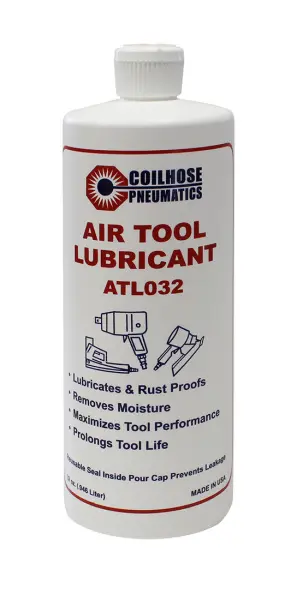
Credit: coilhose.com
Choosing The Right Air Tool Oil
Choosing the right air tool oil helps your tools work better and last longer. Using the correct oil protects the parts inside your air tool. It keeps everything running smoothly and stops rust and wear. Some oils fit certain tools better than others. Knowing what to pick saves time and money.
Viscosity And Additives
Viscosity means how thick or thin the oil is. Thin oils move easily and reach small parts quickly. Thick oils protect better but can slow down tool parts. Some oils have additives. These help stop rust and reduce friction. Pick an oil with the right thickness for your tool. Additives can give extra protection.
Compatibility With Tools
Not all oils work with every air tool. Check your tool’s manual for oil type. Using the wrong oil can cause damage. Some tools need synthetic oils. Others use mineral oils. Match the oil type to your tool’s needs. This keeps the tool safe and running well.
Brand Recommendations
Trusted brands often deliver good quality oils. They test their oils for air tools. Brands like Ingersoll Rand and Milton make oils trusted by many. These oils meet industry standards. Using well-known brands reduces the risk of tool problems. Choose brands that many users recommend.
Signs Your Tool Needs Oil
Air tools need oil to work well and last longer. Without enough oil, these tools can show clear signs that they need maintenance. Recognizing these signs early helps keep your tool in good shape. It also avoids costly repairs.
Unusual Noises
Strange sounds from your air tool often mean it needs oil. Squeaks, grinding, or rattling are common noises. These noises happen because metal parts rub without enough lubrication. Adding oil can stop these sounds and protect the tool.
Reduced Performance
Your air tool may lose power or slow down when it lacks oil. It might not work as smoothly as before. This drop in performance happens because parts move less freely. Oiling helps maintain the tool’s strength and speed.
Increased Heat
Overheating is another sign your air tool needs oil. When parts are dry, friction creates extra heat. This heat can damage the tool’s inner parts. Regular oiling keeps the tool cooler and running safely.
Maintaining Air Tools For Longevity
Maintaining air tools is key to making them last longer. Proper care keeps tools working well and safe. Simple steps help avoid damage and costly repairs. Consistent maintenance ensures your tools stay ready for every job.
Regular Cleaning
Clean air tools after each use to remove dust and debris. Dirt can cause parts to wear out fast. Use a soft cloth and mild cleaner. Avoid water inside the tool. Keep the air inlet free of dirt to maintain airflow.
Proper Storage
Store tools in a dry, cool place to prevent rust. Use cases or toolboxes to protect from dust and moisture. Avoid leaving tools in direct sunlight or damp areas. Proper storage helps keep seals and parts in good shape.
Routine Inspections
Check air tools regularly for wear or damage. Look for loose screws, cracks, or worn parts. Test the tool’s performance before use. Early detection of problems saves time and money. Replace damaged parts quickly to avoid bigger issues.
Frequently Asked Questions
What Is The Purpose Of Air Tool Oil?
Air tool oil lubricates air tools, reducing friction and wear. It keeps tools running smoothly and extends their lifespan. Proper lubrication prevents rust and corrosion inside the tool. Using the right oil improves tool efficiency and performance.
How Often Should I Use Air Tool Oil?
Apply air tool oil before each use or daily during heavy use. Regular lubrication ensures optimal tool function and prevents damage. Frequent oiling keeps internal parts clean and free from moisture. This practice maintains tool reliability and longevity.
Can Air Tool Oil Prevent Tool Rust?
Yes, air tool oil creates a protective barrier inside tools. It helps prevent rust and corrosion caused by moisture and air exposure. This protection maintains tool integrity and performance. Regular oiling is essential for rust prevention in pneumatic tools.
Is Air Tool Oil Different From Regular Oil?
Yes, air tool oil is specially formulated for pneumatic tools. It has a lighter viscosity and anti-corrosion properties. Regular oils may clog or damage air tools. Using the correct oil ensures proper lubrication and tool safety.
Conclusion
Air tool oil keeps your tools working well and lasting longer. It stops rust and reduces wear inside your air tools. Using the right oil helps your tools run smoothly and avoid breakdowns. Regular oiling saves money by preventing costly repairs.
Remember, clean oil is important for the best results. Keep your air tools in good shape with proper oil use. This small step makes a big difference in tool performance. Take care of your tools, and they will take care of your work.