


Have you ever wondered how to check the air pressure around you? Whether it’s for your car tires, weather predictions, or even science experiments, knowing the right tool to measure air pressure is key.
You’ll discover exactly what tool professionals and everyday people use to get accurate air pressure readings. By the end, you’ll feel confident in understanding and using this essential instrument yourself. Ready to unlock this simple yet powerful secret? Keep reading!

Credit: www.vecteezy.com
Types Of Air Pressure Tools
Air pressure is the force that air exerts on surfaces. It is important to measure air pressure for weather forecasts and many scientific uses.
Different tools measure air pressure in various ways. Here are some common types of air pressure tools.
Barometers
Barometers measure atmospheric pressure. They help predict weather changes by showing if the air pressure is rising or falling.
- Mercury barometers use liquid mercury in a glass tube.
- Aneroid barometers use a small, flexible metal box.
- Digital barometers use electronic sensors to measure pressure.
Manometers
Manometers measure pressure in gases or liquids. They compare the pressure inside a container to the outside air pressure.
| Type | Description |
| U-tube Manometer | Uses a U-shaped tube filled with liquid to show pressure differences. |
| Digital Manometer | Uses sensors to give a pressure reading on a digital display. |
| Inclined Manometer | Has an angled tube for more precise low-pressure measurements. |
Altimeters
Altimeters measure altitude by checking air pressure changes at different heights. They are often used in aircraft and hiking.
Altimeters work by measuring air pressure and converting it to height above sea level. Here is how they differ:
- Pressure altimeters use barometric pressure to estimate altitude.
- Radar altimeters use radio waves to measure distance from the ground.
How Barometers Work
Barometers measure air pressure to help predict weather changes. Air pressure is the weight of air pressing down on the Earth.
There are different types of barometers. Each type works in a unique way to show air pressure readings.
Mercury Barometers
Mercury barometers use a glass tube filled with mercury. The tube stands in a mercury-filled basin. Air pressure pushes down on the mercury in the basin. This pushes mercury up the tube.
The height of mercury in the tube shows the air pressure. Higher mercury means higher air pressure. Lower mercury means lower air pressure.
Aneroid Barometers
Aneroid barometers do not use liquid. They have a small metal box called an aneroid cell. This box is sealed and partly empty inside.
- When air pressure rises, it presses on the metal box.
- The box gets smaller as pressure increases.
- If pressure falls, the box expands.
- The movement of the box moves a needle on a dial.
- This needle shows the air pressure reading.
Digital Barometers
Digital barometers use electronic sensors to measure air pressure. They change air pressure into digital numbers.
| Type | How It Works | Key Feature |
| Mercury Barometer | Mercury rises in a glass tube | Uses liquid mercury |
| Aneroid Barometer | Metal box expands and contracts | No liquid used |
| Digital Barometer | Electronic sensor measures pressure | Shows digital readout |
Applications Of Air Pressure Measurement
Air pressure is the force exerted by air on surfaces. Measuring air pressure helps us understand weather and many other areas.
Instruments like barometers measure air pressure. These measurements serve many useful purposes in daily life and industries.
Weather Forecasting
Air pressure changes show weather patterns. Low pressure often means bad weather, like storms or rain.
Meteorologists use air pressure data to predict weather. They track pressure to warn about storms and temperature changes.
- Helps forecast rain and storms
- Shows temperature trends
- Tracks hurricanes and cyclones
Aviation
Air pressure is vital for safe flying. Pilots use pressure to check altitude and weather conditions.
Air pressure measurements help aircraft adjust speed and height. This information keeps flights safe and smooth.
- Determines altitude with altimeters
- Monitors weather for flight safety
- Helps with takeoff and landing
Industrial Use
Many factories use air pressure to run machines. It controls systems like air brakes and pneumatic tools.
Measuring air pressure helps keep equipment working well. It prevents accidents and improves efficiency.
- Controls pneumatic machines
- Ensures safety in manufacturing
- Monitors pressure in pipelines
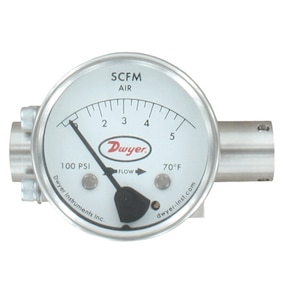
Credit: www.dwyeromega.com
Choosing The Right Tool
Measuring air pressure requires selecting the right tool. Different tools work best for different needs. Understanding these needs helps pick the right device.
This guide explains key factors to consider when choosing an air pressure measuring tool.
Accuracy Needs
The accuracy of a tool depends on the task. Some jobs need very precise readings. Others allow for rough estimates.
- High accuracy tools include digital barometers and aneroid barometers.
- Low accuracy tools might be simple mercury or aneroid gauges.
- Scientific research usually requires tools with very fine accuracy.
- Everyday weather checks can use less exact devices.
Portability
Portability matters if you move the tool often. Some devices are small and light. Others are bulky and stay in one place.
| Tool Type | Weight | Ease of Carry |
| Digital Handheld Barometer | Light | Easy |
| Aneroid Barometer | Moderate | Moderate |
| Mercury Barometer | Heavy | Difficult |
Cost Factors
Cost affects which tool you choose. Some tools are affordable. Others can be expensive due to technology or accuracy.
- Basic aneroid barometers cost less.
- Digital barometers with extra features cost more.
- Mercury barometers are rare and pricey.
- Consider long-term value over initial price.
Maintenance And Calibration Tips
Measuring air pressure accurately depends on keeping your tool in good shape. Regular maintenance helps ensure reliable results.
Calibration keeps your air pressure device precise. Follow simple steps to check and adjust it over time.
Regular Checks
Inspect your air pressure gauge often to spot damage or dirt. Clean the device gently with a soft cloth.
- Look for cracks or leaks in the gauge
- Ensure the needle moves freely without sticking
- Check the connections for tightness and wear
- Store the tool in a dry, safe place
Calibration Methods
Calibration adjusts the gauge to show the correct pressure. Use a known reference or standard device to compare readings.
| Calibration Method | Description |
| Dead Weight Tester | Applies known weights to check accuracy |
| Digital Calibrator | Uses electronic sensors for precise comparison |
| Comparison Test | Compare readings with a trusted gauge |
Troubleshooting Common Issues
Problems like wrong readings or slow needle movement can occur. Find the cause and fix it quickly.
- Check for air leaks in the hose or connections
- Clean the gauge face and moving parts carefully
- Replace worn or damaged parts as needed
- Recalibrate the gauge after repairs

Credit: www.amazon.ae
Frequently Asked Questions
What Is The Main Tool To Measure Air Pressure?
A barometer is the primary tool used to measure air pressure. It gauges atmospheric pressure changes to predict weather. Common types include mercury and aneroid barometers, both reliable for accurate air pressure readings.
How Does A Barometer Measure Air Pressure?
A barometer measures air pressure by detecting atmospheric weight. Mercury barometers use liquid displacement, while aneroid barometers use a sealed, flexible metal chamber that expands or contracts with pressure changes.
Can Digital Devices Measure Air Pressure?
Yes, digital devices like electronic barometers measure air pressure. They use sensors to provide precise, real-time readings. Digital barometers are common in smartphones, weather stations, and aviation instruments.
Why Is Measuring Air Pressure Important?
Measuring air pressure helps forecast weather and understand atmospheric changes. It is crucial for aviation, meteorology, and outdoor activities. Accurate pressure data improves safety and planning.
Conclusion
Air pressure is measured using a tool called a barometer. Barometers help us understand weather changes and predict storms. They come in different types, such as mercury and aneroid barometers. Knowing how to read a barometer is useful for everyday life.
It helps farmers, pilots, and even sailors stay safe. Air pressure affects many things around us. Using the right tool makes measuring it simple and accurate. Now you know which tool measures air pressure clearly.